India meets Ladakh leaders after Wangchuk ends hunger strike
India met Ladakh leaders after Sonam Wangchuk ended a 26-day fast, with statehood, Sixth Schedule rights and land protections now at the center of talks.
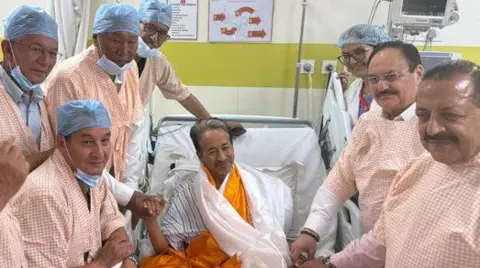
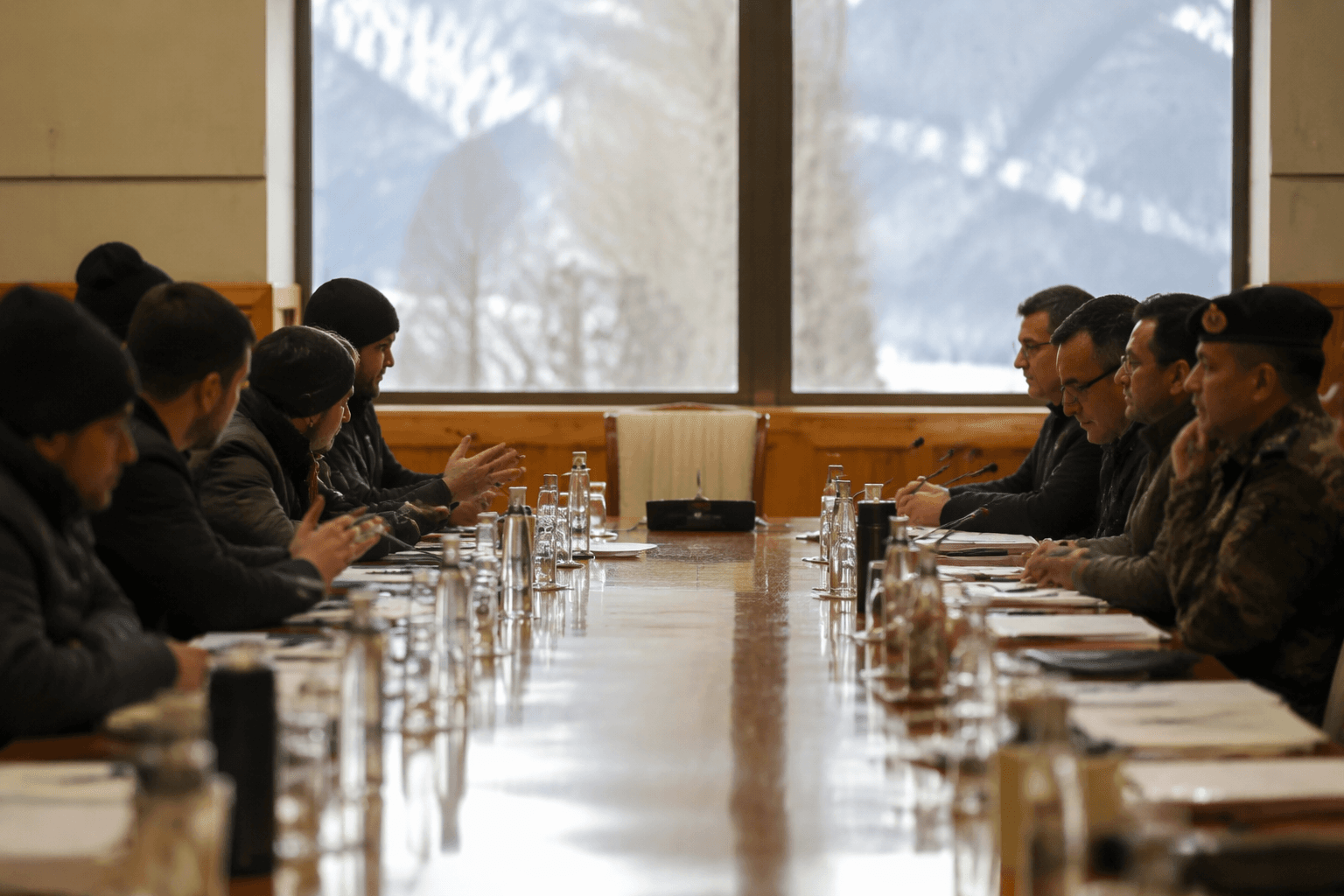
India met Ladakh leaders hours after Sonam Wangchuk ended a 26-day hunger strike, putting statehood, Sixth Schedule safeguards and land and job protections back at the center of the dispute. The talks came after weeks of protest over how Ladakh is governed, and over whether New Delhi will answer the region’s demands with real political concessions or only another attempt to cool tensions.
The stakes go well beyond one activist’s fast. Ladakh has been pressing for greater democratic representation, along with protections for its environment and culture, since the former state of Jammu and Kashmir was split into two Union Territories, Ladakh and Jammu and Kashmir. A government release dated Sept. 24, 2025 said Wangchuk had begun a hunger strike on Sept. 10, 2025, demanding Sixth Schedule status and statehood for Ladakh, while the Government of India said it had been engaged with the Leh Apex Body and the Kargil Democratic Alliance on the same issues.
The latest confrontation sharpened after police moved Wangchuk to hospital on July 18 against his will following a 20-day hunger strike. Wangchuk later said he had been “kidnapped,” while authorities described the move as medical intervention. Three days later, supporters gathered in New Delhi for a march despite a police ban, and BBC said more than 10,000 protesters braved tear gas and baton charges as the movement tested the limits of Narendra Modi’s government in the capital.
The pressure did not end there. BBC said Cockroach Janta Party founder Abhijeet Dipke declared the march would go ahead as planned, and Reuters later described food supplies, anger and supporters near and far as keeping the protest alive. By then, the campaign had grown from a regional hunger strike into a broader youth-led political challenge, with banners and crowds appearing around Jantar Mantar and near Parliament.
Wangchuk’s decision to end his 26-day fast, with Union ministers JP Nadda and Jitendra Singh present alongside senior Ladakh leaders, pushed the question back into formal talks. Whether those talks produce a concrete path on statehood, constitutional protections, land rules and local employment will determine whether Ladakh’s movement gets a political opening or only a temporary pause.
This article was produced by Prism’s automated news system from verified source data, official records, and press releases, then run through automated quality and moderation checks before publishing. The system is built and supervised by the people who set the standards it runs under. Read our full AI policy.
Did this article answer your question?