Burnham policy plans clash with work crackdown and benefit reforms
Young people who refuse work were set to lose benefits, while Rachel Reeves moved to lift the two-child cap for larger low-income families.
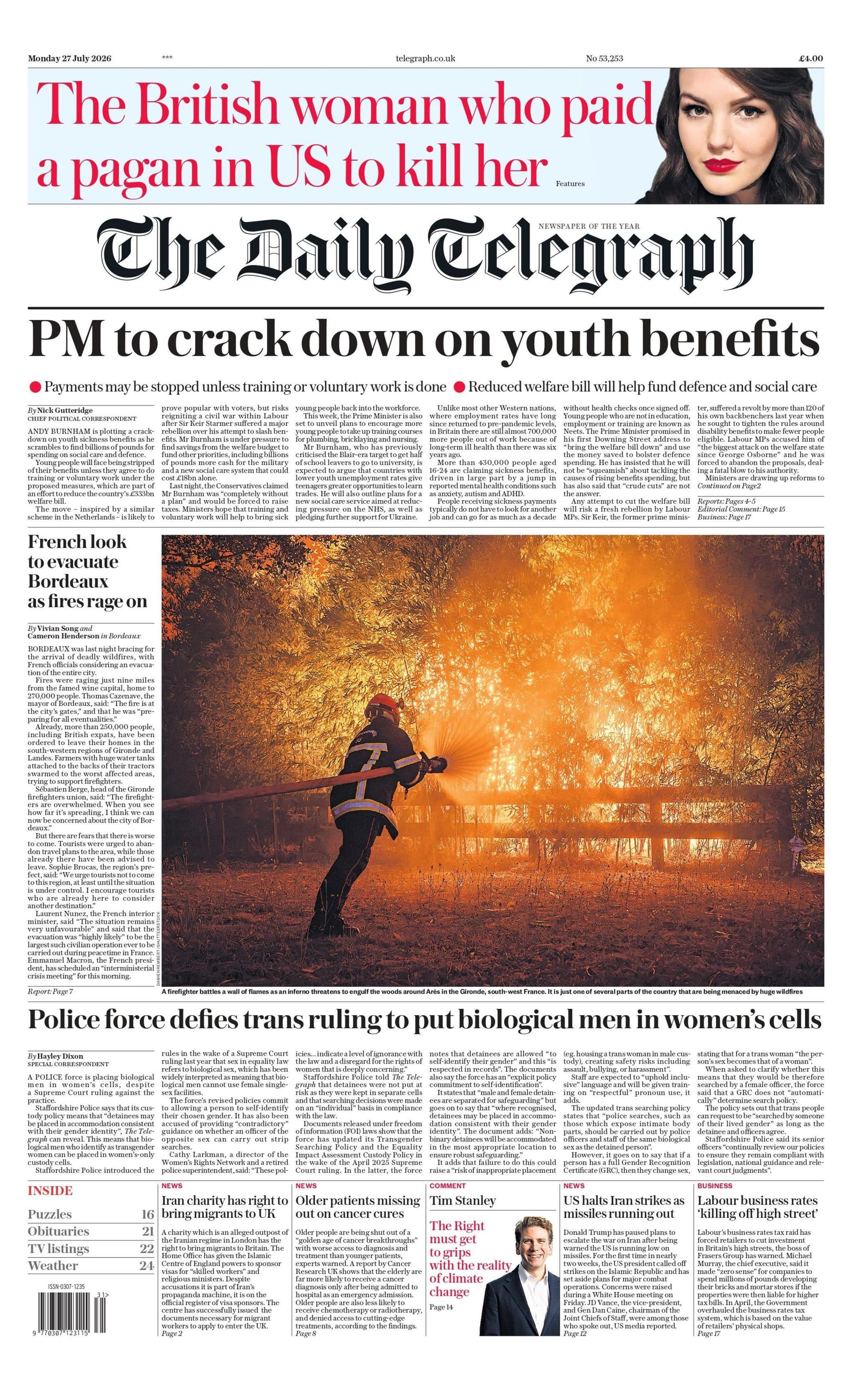
Young people who refused to work were set to lose benefits under new proposals Liz Kendall said would be unveiled on Tuesday, with the work and pensions secretary offering an "earn or learn" approach. The warning landed as official figures published earlier that week showed nearly a million people aged 16 to 24 were out of education, employment or training between July and September, and the Office for National Statistics said the total had risen above one million.
That tougher line sat beside a different welfare move. Rachel Reeves said the two-child benefit cap would be lifted from April 2026, ending a Conservative policy introduced in 2017 that stopped parents claiming universal credit or tax credits for more than two children. The change was aimed at households already under pressure, and Bridget Phillipson said the cap had a "devastating impact" and that there was "a real urgency" to act.
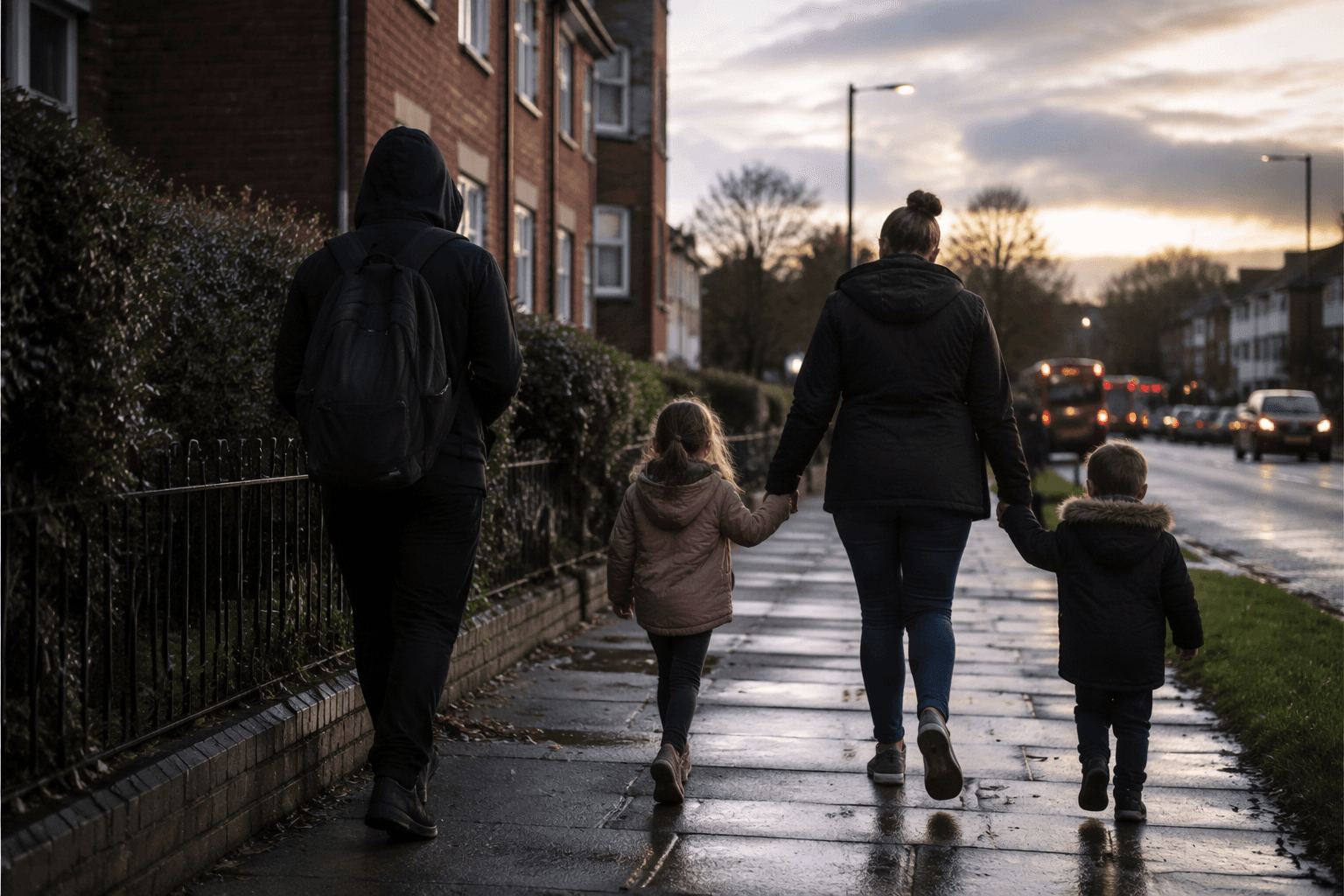
The split sharpened a familiar Labour argument over who should carry the cost of welfare reform. Andy Burnham had already described the two-child limit as the "worst of Westminster" and, in earlier coverage, backed abolishing it, calling it "immoral" and "divisive". His criticism underlined the pressure on ministers to ease child poverty even as they tightened conditions on young claimants.
The political message was simple enough to sell: reward work, punish refusal, and reassure taxpayers. The practical effect was narrower and harsher, because the people most exposed were those already counted among the one million Neets and low-income parents with three or more children, two groups that sit at the center of Labour's most difficult welfare decisions.
This article was produced by Prism’s automated news system from verified source data, official records, and press releases, then run through automated quality and moderation checks before publishing. The system is built and supervised by the people who set the standards it runs under. Read our full AI policy.
Did this article answer your question?