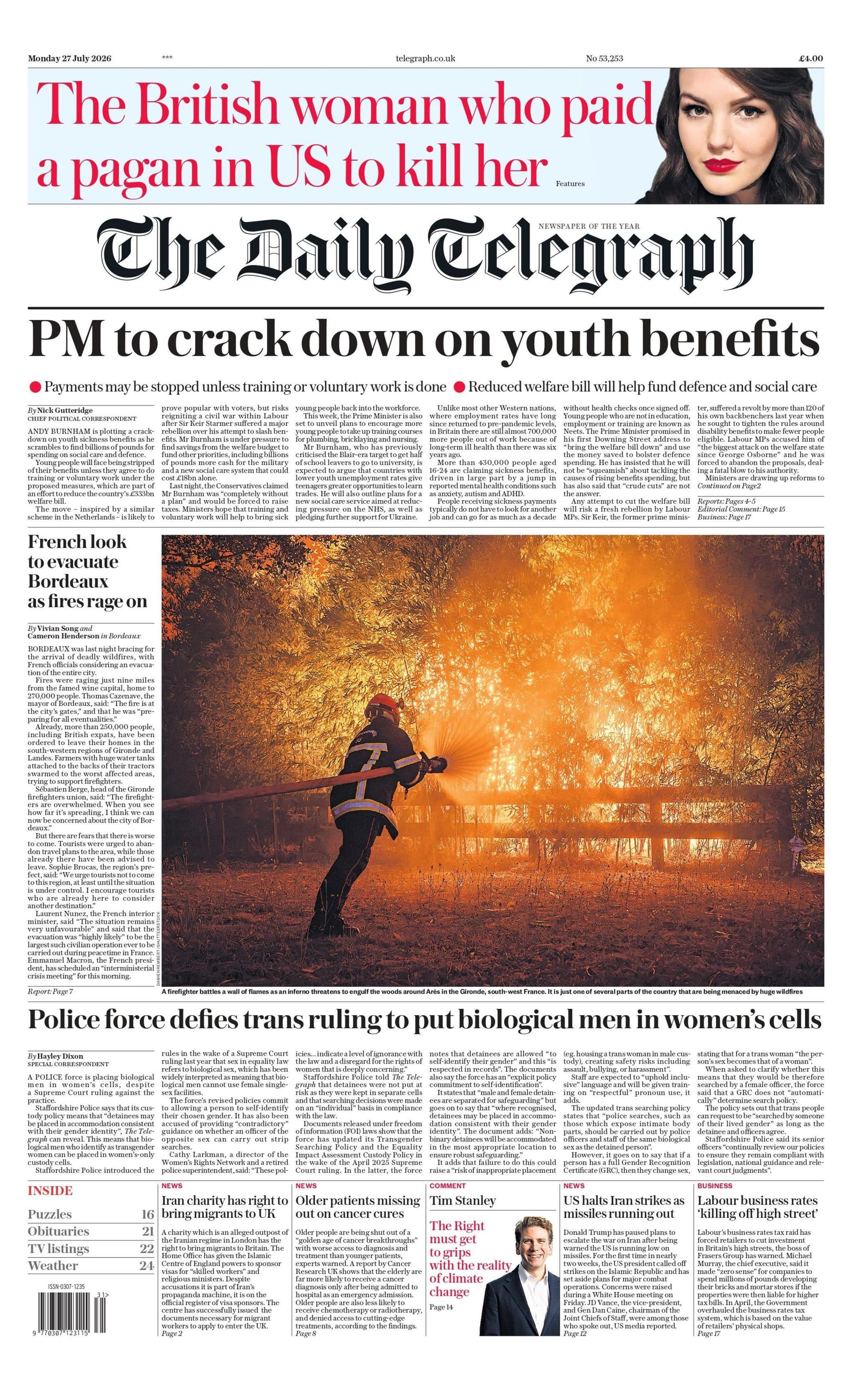
Burnham vows social care overhaul in first days as prime minister
Burnham told the BBC the NHS would “collapse” without social care reform as he set out plans to work from Manchester each week.

Laura Kuenssberg followed Andy Burnham through Downing Street and Number 10 North as the new prime minister used his first days in office to turn campaign language into an operating plan. Burnham, now the UK’s seventh prime minister in a decade, signalled that social care would sit near the top of his agenda, while also testing the limits of how far he could go on tax, welfare and spending.
In his first major interview as prime minister, Burnham said he had a “good first exchange” with Donald Trump and found the US president “really warm”. He added that he would still be prepared to call Trump out “to defend Britain’s national interest before anything else” if he judged it necessary. The comments showed Burnham trying to balance diplomacy with the harder edge he has promised abroad and at home.
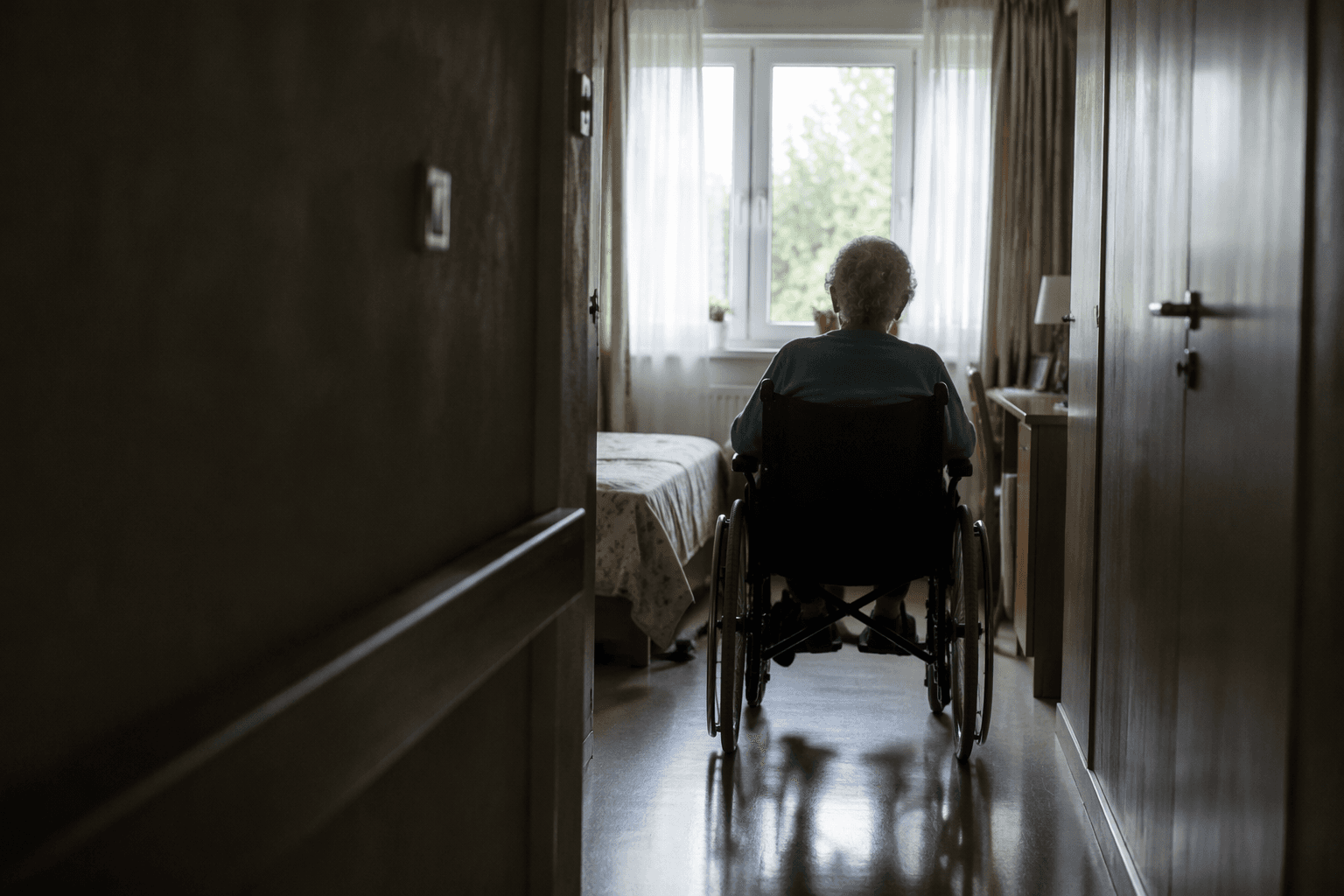
Social care was the clearest domestic priority. Burnham said “the NHS will collapse” without reform, but he could not put a timetable on changes and said he would not want to leave office without delivering “substantial change” to the system. He also suggested making it harder to claim benefits and said the country had to get serious about bringing down the welfare bill, a reminder that the new government faces pressure not just to spend more, but to justify how any new settlement would be paid for.
That calculation was already colliding with politics. Kemi Badenoch wrote to the prime minister urging him to rule out tax rises to fund social care reform, pushing Burnham to rule out raising taxes for the changes. BBC reporting said he would use his first cabinet meeting to tell ministers the government would show how policies would be funded and that they must be ready to make difficult decisions as part of a “cost of living government”.
Burnham’s move into Number 10 North in Manchester gave the transition both symbolism and logistical strain. He intended to work from the new department there every week, a sign that he wanted to anchor power beyond London even as he inherited formidable welfare and social care pressures. Louise Haigh had been central to his planning for No 10 for at least a year, and Andrew Marr was one of the few people to have interviewed him before he entered Downing Street, underlining how closely Burnham had prepared for the role before his first day in charge.
This article was produced by Prism’s automated news system from verified source data, official records, and press releases, then run through automated quality and moderation checks before publishing. The system is built and supervised by the people who set the standards it runs under. Read our full AI policy.
Did this article answer your question?