Butterflies reveal a 25-fold lifespan gap in evolution study
A tropical butterfly lived 348 days, while a close relative lasted just 14, giving scientists a rare look at how evolution can stretch lifespan.
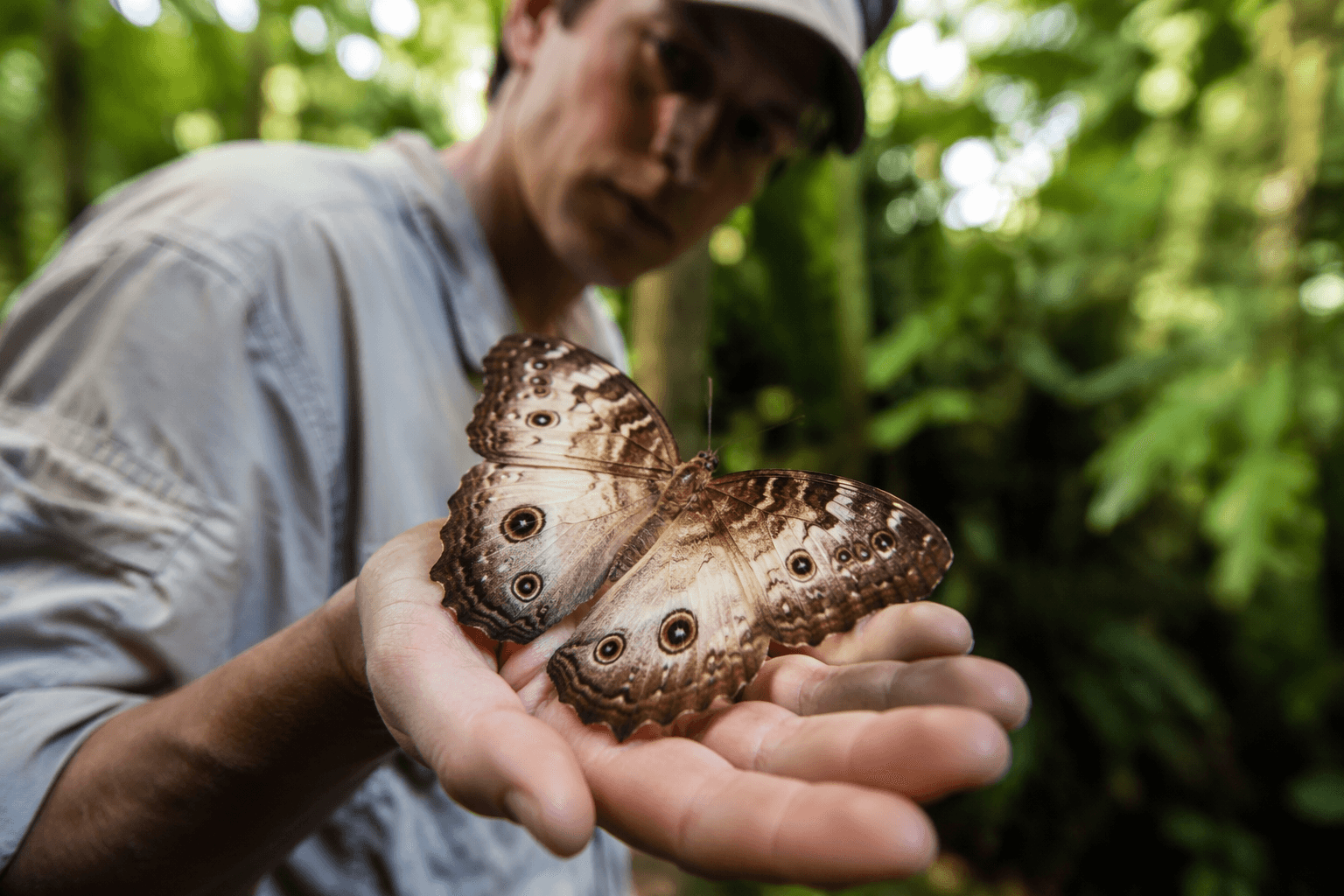
A tropical butterfly that lived 348 days has given aging researchers a vivid natural comparison: one close relative survived just 14 days after adulthood. The gap, drawn from 27 species in the Heliconiini tribe, sharpened a long-running question in biology about why some animals age far more slowly than others.
The species at the center of the finding was Heliconius hewitsoni, part of a butterfly group found in the tropical rainforests of South and Central America. Its short-lived counterpart, Dione juno, underscored the scale of the difference. Across the tribe, researchers found a 25-fold spread in maximum lifespan, a range that makes lifespan look less like a simple product of body size or habitat and more like an evolved biological strategy.
The study, published in Nature Communications on June 16, 2026, pulled together data from commercial butterfly houses, mark-release-recapture studies and insectary populations. That mix of sources let researchers compare species living under controlled and semi-natural conditions, and it pointed to a pattern that was hard to miss: the longest-lived butterflies were all pollen-feeders. Heliconius butterflies are the only butterflies known to consume pollen as adults, and pollen-feeding species in the analysis had an average maximum lifespan of about 177 days, compared with about 58 days for non-pollen-feeding relatives.
Researchers also reported slower rates of aging, lower baseline mortality and evidence of slowed actuarial and physiological aging in Heliconius. Those findings matter because they suggest the butterflies are not simply living longer on a richer diet. Instead, they appear to have evolved ways to manage damage, conserve energy and balance reproduction with body maintenance, all while extending life far beyond their close relatives.

Tufts University researcher Jessica Foley helped frame the work as part of a broader scientific puzzle about aging. The study places Heliconius as a new model system for longevity research, useful because it offers a natural experiment in which closely related species vary dramatically in how long they survive. One earlier comparison has put Myscelia cyaniris at about 380 days, but that evidence base is thinner than the new analysis.
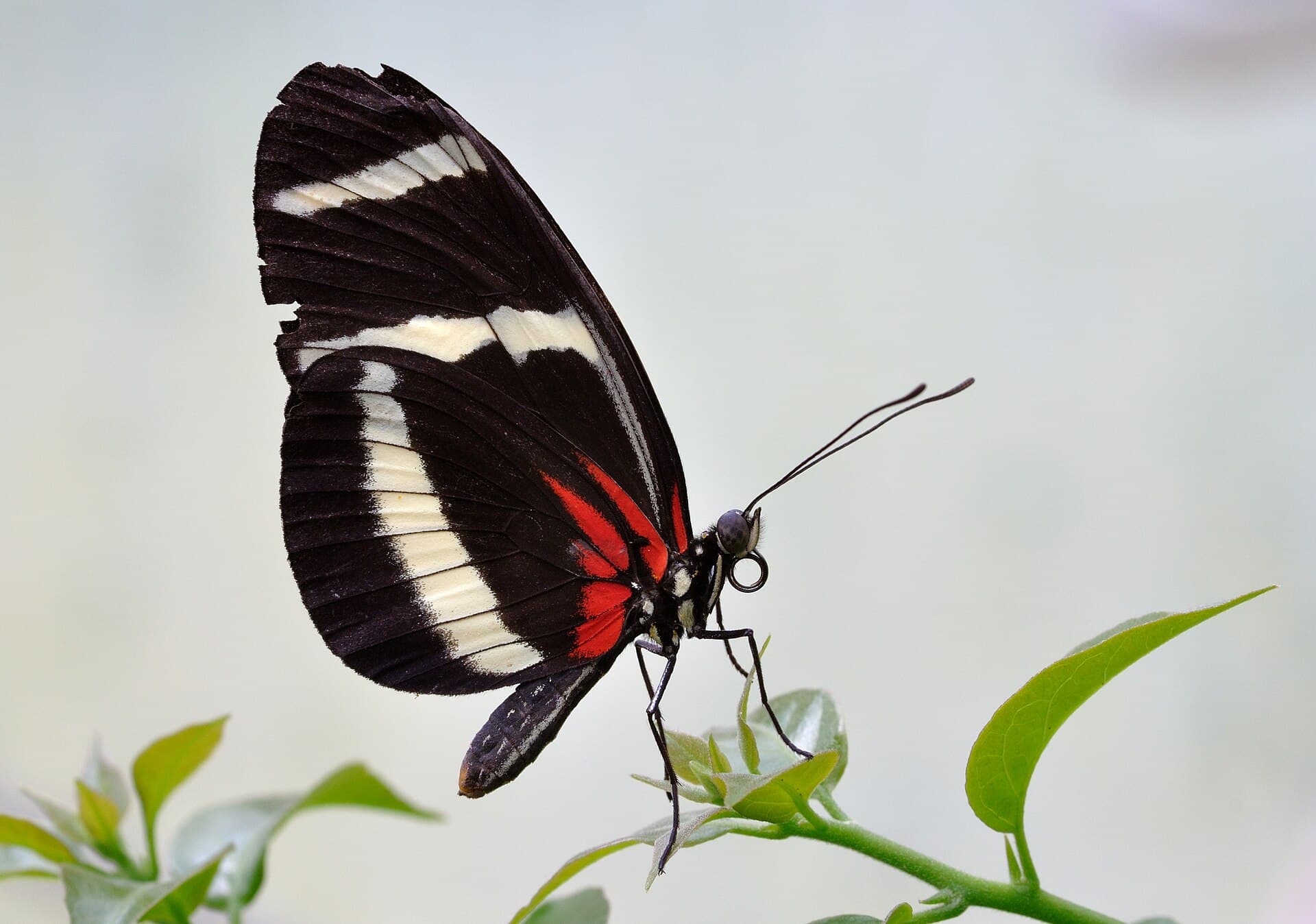
The lesson for medicine is careful, not grandiose. Butterflies can help biologists examine genes, metabolism and life-history tradeoffs that shape longevity, but they are not a shortcut to human anti-aging claims. What they do offer is a clearer view of how evolution can produce very different solutions to the problem of staying alive.
This article was produced by Prism’s automated news system from verified source data, official records, and press releases, then run through automated quality and moderation checks before publishing. The system is built and supervised by the people who set the standards it runs under. Read our full AI policy.
Did this article answer your question?