BuzzFeed CEO Jonah Peretti steps aside as Byron Allen buys control
Byron Allen is taking control of BuzzFeed with a $120 million stake buy, while Jonah Peretti shifts into a newly created A.I. role as revenues keep sliding.
Jonah Peretti is stepping out of the chief executive role at BuzzFeed as Byron Allen moves to take control of the company with a $120 million investment that would give Allen Family Digital about 52% of the outstanding shares. The deal turns BuzzFeed into a test case for a difficult question in digital media: whether a battered viral-publishing brand can survive through ownership consolidation and an explicit A.I. pivot, or whether the economics of the old internet media model have simply run out of room.
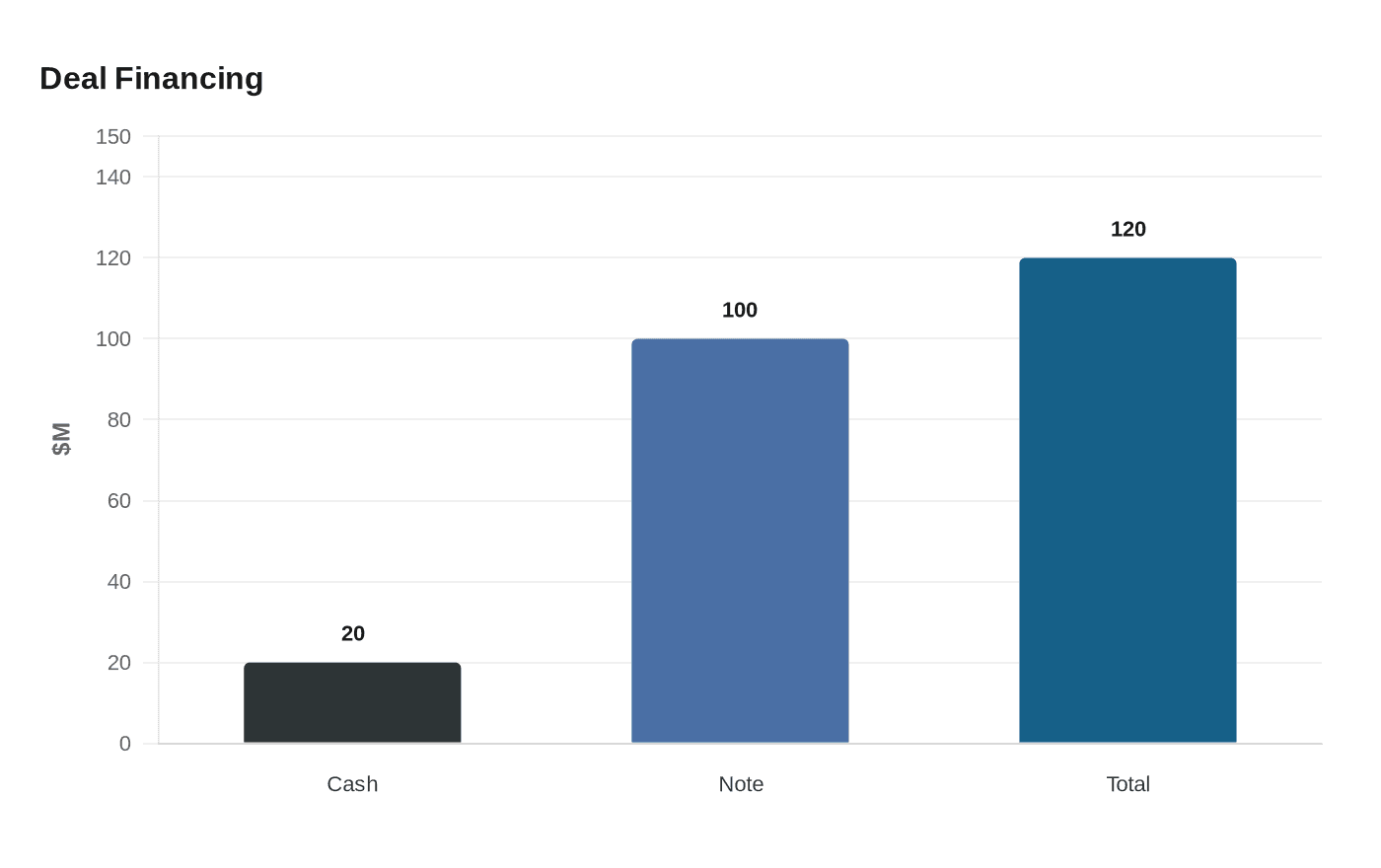
Under the transaction agreement, Allen Family Digital, an affiliate of Byron Allen’s family office, will buy 40 million BuzzFeed shares at $3.00 each. BuzzFeed said the purchase will be financed with $20 million in cash at closing and a $100 million promissory note due five years later, carrying 5% annual interest. Upon closing, Allen is expected to become chairman and chief executive officer.

Peretti, BuzzFeed’s co-founder, will move into a newly created role as president of BuzzFeed AI. The title change matters because it signals both continuity and retreat: Peretti is not leaving the company he built, but he is being recast around the one area that still offers a growth story. For a business that rose on social sharing and listicle-era traffic, the new A.I. post suggests BuzzFeed is betting that artificial intelligence, not scale publishing alone, will define its next chapter.
The timing underscores the strain. BuzzFeed rescheduled its first-quarter 2026 financial results to Monday, May 11, 2026, after the market closed, with Peretti and chief financial officer Matt Omer set to host a conference call at 5:00 p.m. Eastern time. The company has been under pressure for years, shutting down BuzzFeed News in April 2023 and cutting 15% of its workforce in a restructuring. Its full-year 2025 revenue fell 2.4% from the prior year to $185.3 million, while advertising revenue declined 2.8% to $91.7 million.
Those numbers help explain why Allen’s move looks less like a simple acquisition than a rescue attempt. Allen has spent years building across media businesses, and BuzzFeed gives him a recognizable digital brand, an audience footprint and a public-company platform at a distressed valuation. For Peretti, the shift to BuzzFeed AI offers a way to stay influential inside the company he founded, even as control passes to a new owner. For the broader digital-media sector, the deal reads like a referendum on survival itself: consolidation, capital and A.I. may buy time, but they do not automatically restore the economics that powered viral media in the first place.
This article was produced by Prism’s automated news system from verified source data, official records, and press releases, then run through automated quality and moderation checks before publishing. The system is built and supervised by the people who set the standards it runs under. Read our full AI policy.
Did this article answer your question?

