BYD Surpasses Tesla as World’s Largest EV Seller in 2025
BYD sold 2.26 million electric vehicles in 2025, overtaking Tesla after the U.S. automaker reported a 9 percent drop in deliveries. The shift underscores intensifying competition from Chinese manufacturers and highlights how politics and U.S. policy changes can quickly reshape demand in the global EV market.
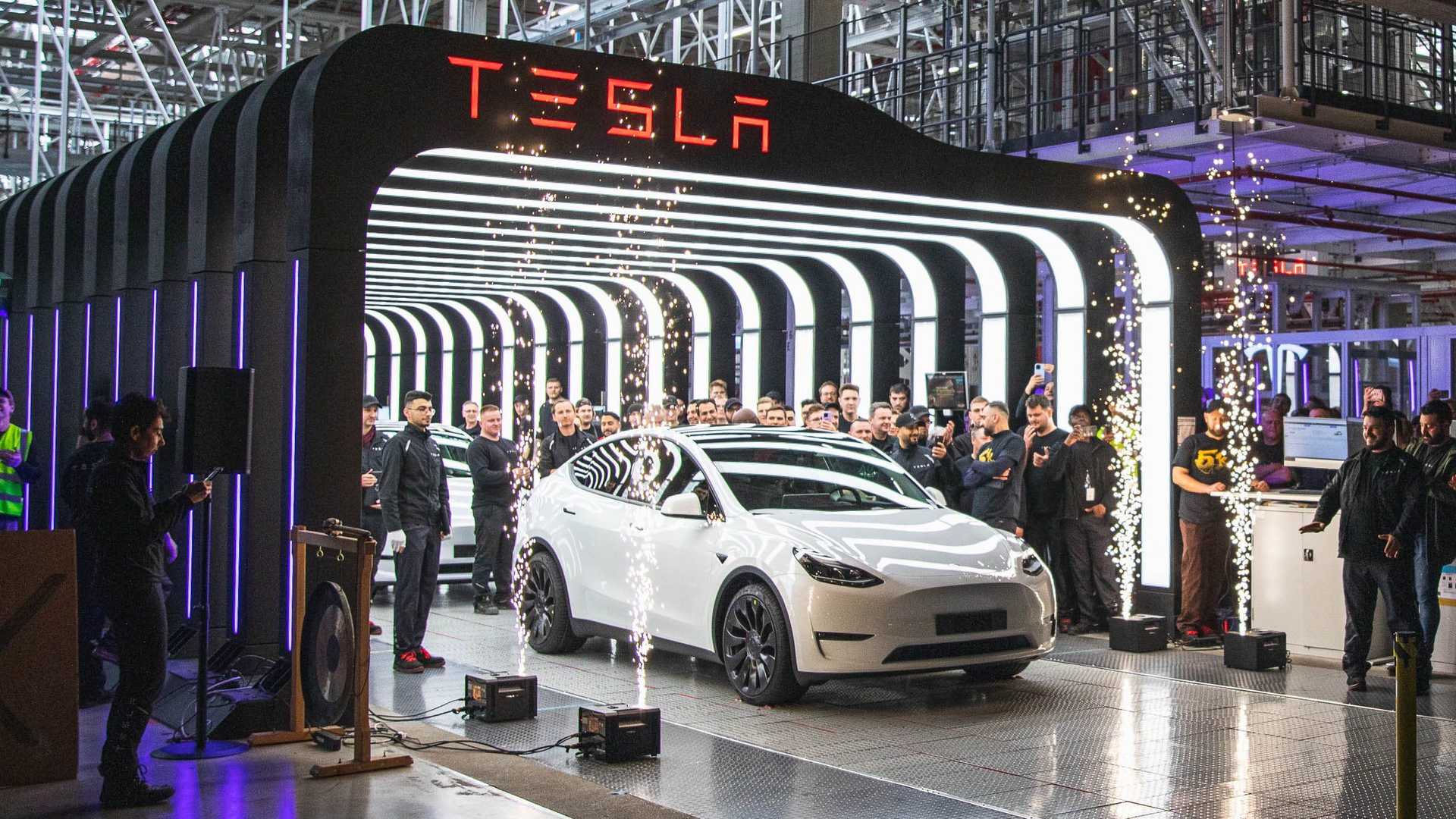
BYD sold 2.26 million vehicles in 2025, making it the world’s top-selling electric-vehicle maker on an annual basis for the first time, while Tesla reported delivering 1.64 million vehicles, a 9 percent decline from 2024. The result marks a sharp reversal for Tesla, which had led global EV deliveries in previous years, and signals a material reordering of market share at the industry’s largest scale.
Tesla’s fourth-quarter deliveries totaled 418,227 vehicles, falling short of the FactSet analyst consensus of about 440,000 and contributing to the company’s full-year decline. The shortfall and the broader annual drop come after two consecutive years of falling sales for Tesla, a notable departure from the rapid growth that once propelled the company past legacy automakers and established its dominance in the EV sector.
Analysts and industry observers attribute the downturn to a combination of factors. A loss of buyer incentives in the United States following the phase-out of a $7,500 federal tax credit at the end of September 2025 removed a significant price support for U.S. consumers and weighed on fourth-quarter orders. At the same time, market commentary and customer sentiment point to a backlash among some buyers over Tesla CEO Elon Musk’s political stances, which has been discussed as a contributing influence on demand rather than a sole cause. Most consequentially, intensifying competition from Chinese automakers, led by BYD’s aggressive expansion, eroded Tesla’s foothold in several key markets.
BYD’s 2025 totals reflect a sustained surge in production and sales across China and export markets. The company’s scale growth has outpaced Tesla, allowing BYD to capture incremental volume both domestically and abroad through a combination of lower-price models, expanding lineup diversity, and rapid factory capacity additions. For global EV rankings, the 2.26 million deliveries are a tangible metric that shifts annual leadership toward Chinese manufacturers at a time of accelerating internationalization.
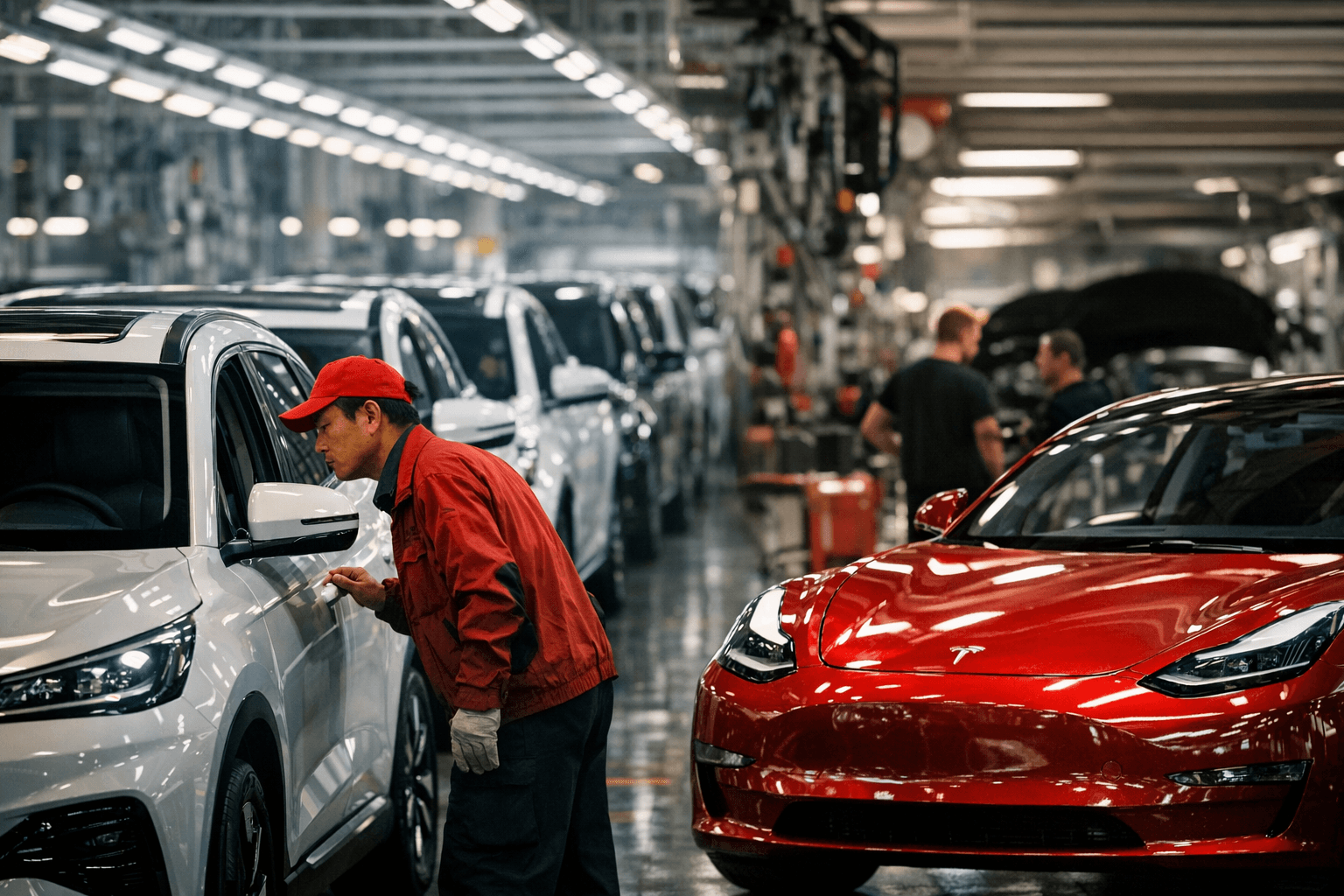
The implications extend beyond headline market shares. For Tesla, the consecutive annual decline raises questions about pricing power, customer retention and strategic responses to lower-margin competition. Investors and corporate strategists will be watching whether Tesla accelerates new model introductions, pivots distribution strategies, or adjusts manufacturing plans to regain growth. For policymakers, the outcome underscores how abrupt changes in incentive structures can have rapid effects on consumer behavior and domestic industry outcomes, shaping debates about the design and stability of EV subsidies.
Longer-term trends are also visible. Chinese original equipment manufacturers are building scale quickly, leveraging integrated supply chains and price-competitive platforms to gain share in both lower and mid-price segments. That dynamic pressures Western incumbents to compete on cost, features and market access while navigating political and regulatory crosscurrents. As annual delivery volumes shift, the EV market is moving from a nascent phase dominated by a single high-profile maker to a more pluralistic global industry defined by several large-scale producers.
This article was produced by Prism’s automated news system from verified source data, official records, and press releases, then run through automated quality and moderation checks before publishing. The system is built and supervised by the people who set the standards it runs under. Read our full AI policy.
Did this article answer your question?

