ByteDance Brings Doubao Voice Assistant to ZTE Phones
ByteDance unveiled an AI voice control assistant powered by its Doubao large language model, debuting on a ZTE smartphone with plans to expand to other manufacturers. The move signals a push by Chinese tech companies to put generative AI at the center of everyday device interactions, reshaping how users search for information and buy services on their phones.

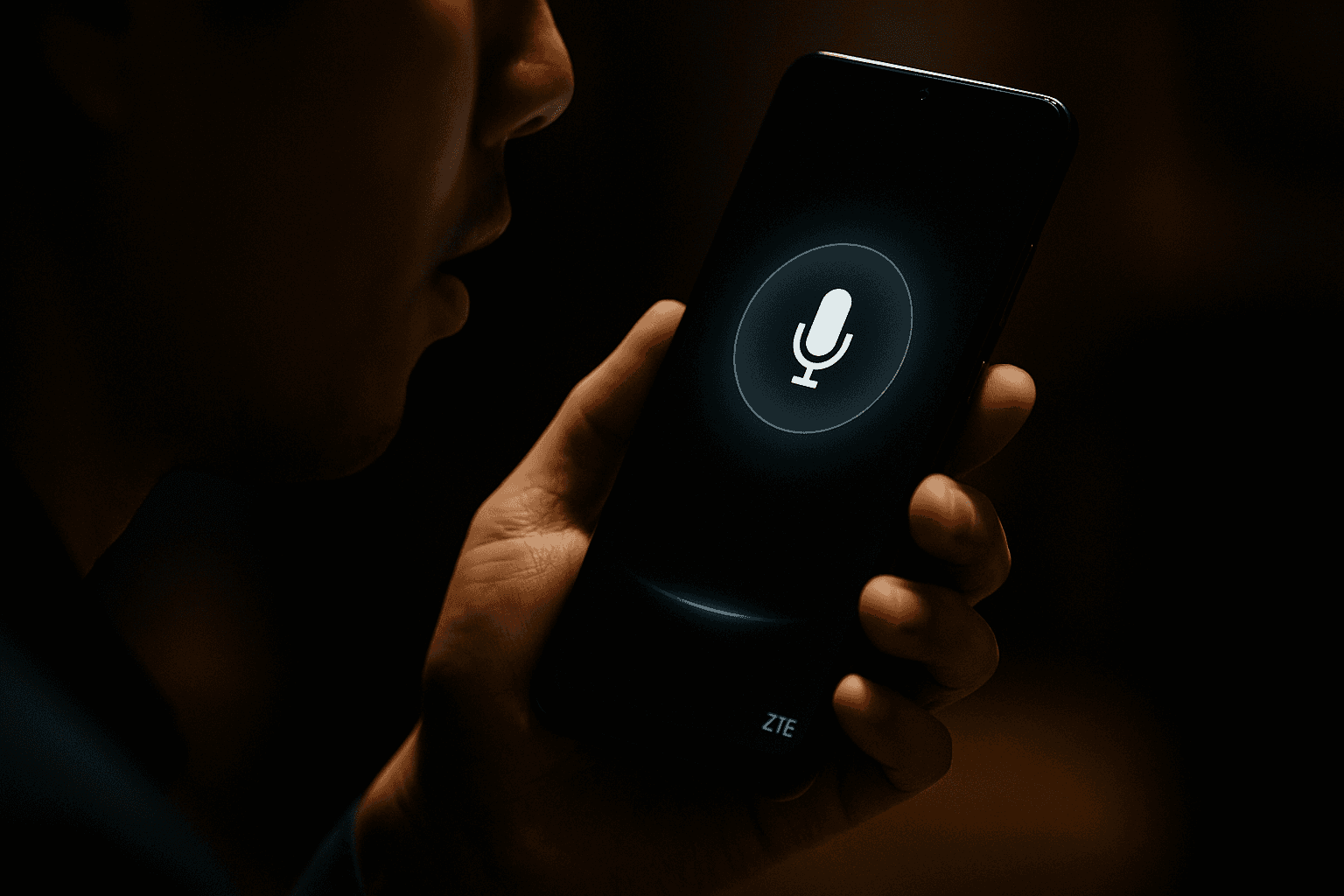
ByteDance announced today the launch of a voice controlled assistant driven by its Doubao large language model, initially available on a smartphone made by ZTE and slated for wider distribution to other device makers. The assistant allows users to activate tasks by voice, handling everyday requests such as searching for content and booking tickets, and represents a strategic effort by ByteDance to move beyond content recommendation and into core device level interfaces.
The product release marks the latest phase in a wave of generative AI deployments aimed at embedding conversational capabilities into consumer electronics. By integrating Doubao into a handset, ByteDance seeks to place its technology at a point of contact that many users reach before any app, potentially shaping how people discover media, make purchases, and interact with services on their phones. Reuters noted that the step is intended to challenge incumbent platform assistants in China’s fierce mobile market.
ByteDance’s decision to partner with ZTE follows a pattern of collaborations between software developers and hardware manufacturers. For ZTE, preinstalling a high profile assistant could serve as a differentiator in a crowded device market. For ByteDance, gaining direct access to device level controls and native experiences could amplify the company’s influence beyond its household name apps and content platforms.
The assistant’s capabilities, announced by ByteDance, include voice activation for content search and booking tickets. ByteDance has framed the launch as part of broader plans to roll the technology out to other manufacturers, though officials did not provide a precise timetable for when additional phones will receive the assistant. The initial deployment on a ZTE model provides a live test bed for user interaction patterns and technical integration challenges.
The move raises familiar questions about privacy, data flows and regulatory oversight that accompany voice enabled and generative AI systems. Embedding a language model into a device interface can change where and how voice data is processed, and observers will be watching for explanations of whether computations run locally, in the cloud, or through hybrid arrangements, along with what data is retained for personalization and model improvement. In China, platform algorithms and data handling practices have been the subject of increasing scrutiny by regulators in recent years, adding a compliance dimension to product rollouts.
Analysts say the introduction could intensify competition among Chinese tech firms seeking to control more of the mobile experience. Incumbent assistants provided by major platform owners have long been a gateway to services and commerce. ByteDance’s entry could pressure rivals to accelerate their own generative AI integrations, shaping a new battleground in user attention and monetization.
For consumers, the immediate benefits will be judged on accuracy, speed and convenience during common tasks such as searching for content and booking tickets. Broader adoption will hinge on how seamlessly the assistant integrates with apps and services, and how transparently companies communicate about user data and algorithmic behavior. As Doubao moves from research labs into phones, the launch highlights both the promise of more conversational devices and the complex trade offs that come with placing advanced AI inside everyday hardware.
This article was produced by Prism’s automated news system from verified source data, official records, and press releases, then run through automated quality and moderation checks before publishing. The system is built and supervised by the people who set the standards it runs under. Read our full AI policy.
Did this article answer your question?