ByteDance eyes Iluvatar, Baidu chips as China AI supply chain grows
ByteDance is weighing chips from Iluvatar CoreX and Baidu as Chinese suppliers close the gap left by Nvidia under U.S. export controls.

ByteDance is in talks with Shanghai-based Iluvatar CoreX to buy AI chips for inference work, while also considering a similar deal with Baidu, a clear sign that China’s biggest internet names are hardening their AI systems around domestic hardware. If completed, Iluvatar CoreX would become ByteDance’s third major homegrown GPU supplier after Huawei and Cambricon, and the company is expected to ship at least 50,000 chips to ByteDance this year.
Most of those chips would go to inference, not model training, and that distinction matters. Inference is the work that answers user queries and keeps consumer AI products running as they grow, which means demand rises every time a chatbot or app gains users. ByteDance’s Doubao chatbot is expanding, increasing the need for chips that can handle constant, real-time use rather than occasional model-building bursts.
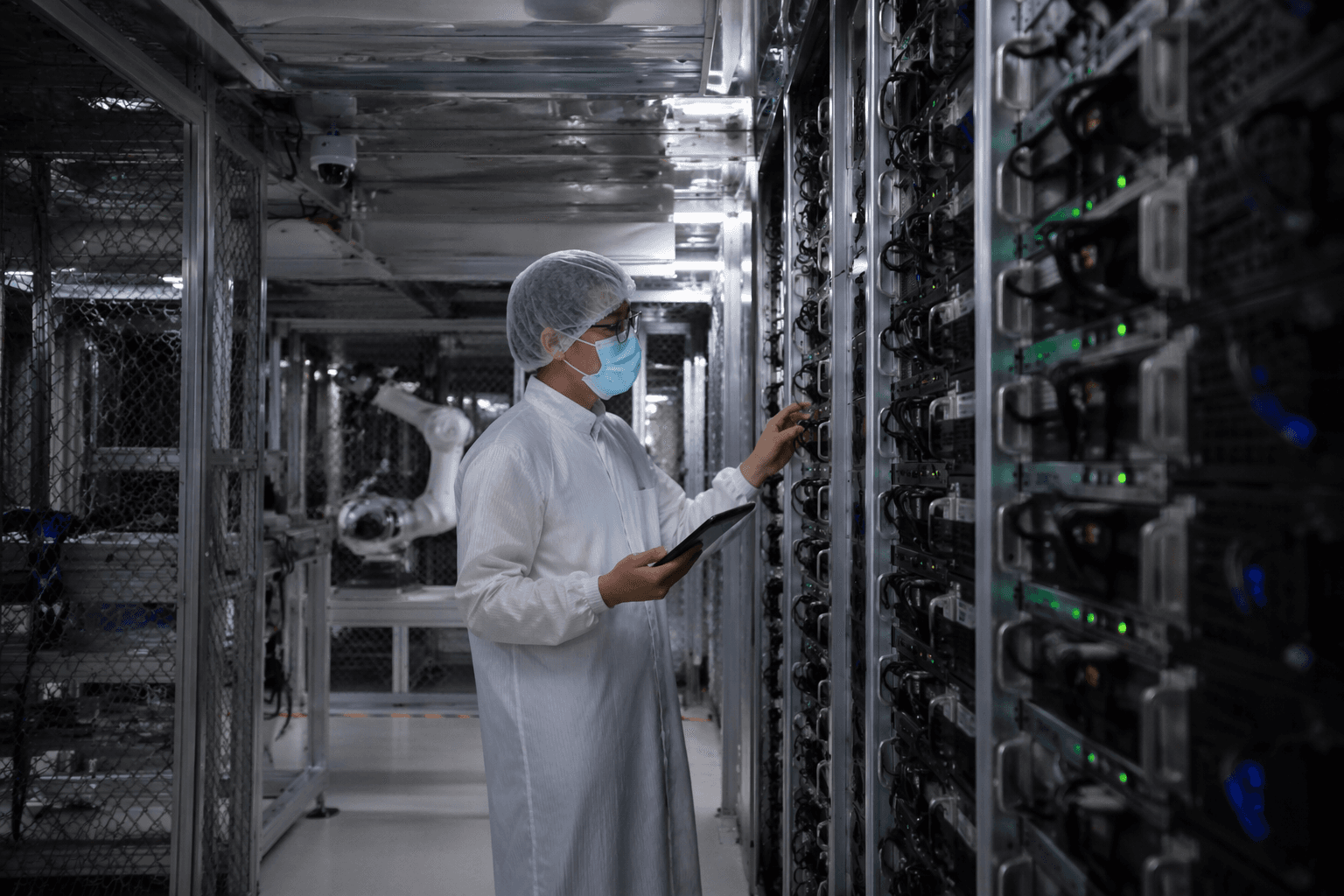
The talks also point to a broader effort by Chinese tech firms to build a layered domestic supply chain instead of relying on imported accelerators that have become harder to secure under U.S. export controls. Tencent already buys Baidu’s Kunlunxin chips, showing that the country’s biggest platforms are beginning to share a common hardware base even as they compete in products and services. For ByteDance, the move is as much about resilience as procurement: diversifying suppliers lowers exposure to foreign restrictions and helps keep its AI roadmap on track.
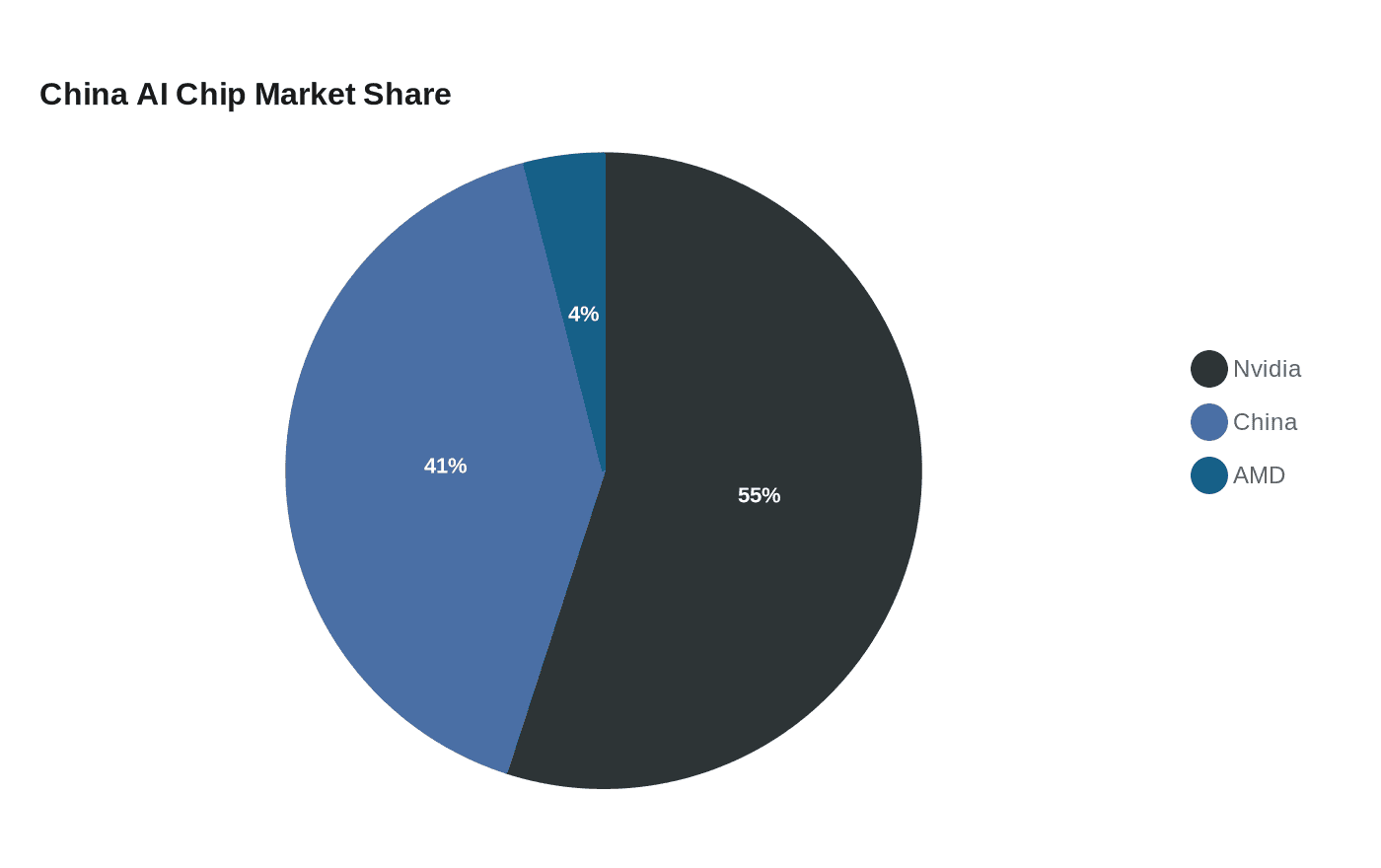
The shift is happening against a market backdrop that has changed quickly. Chinese GPU and AI chip makers captured nearly 41% of China’s AI accelerator server market in 2025, while Nvidia still led with about 2.2 million cards shipped, or roughly 55%. Chinese vendors shipped about 1.65 million cards, and AMD held about 4%, underscoring how fast domestic alternatives are taking hold inside one of the world’s biggest AI markets.
Momentum is building across the sector. Tencent chief strategy officer James Mitchell said in May that Chinese AI chips would become “available in large quantities in the second half of this year,” and also said Tencent expected a “substantial increase” in capital expenditure as China-designed chips arrive month by month. Iluvatar CoreX, which has mostly supplied government procurement projects so far, would gain a marquee private-sector customer if the talks become contracts. The result would be more than a commercial win for one startup: it would mark another step in China’s effort to redraw the balance of power in generative AI around local chips, local fabs and local software.
This article was produced by Prism’s automated news system from verified source data, official records, and press releases, then run through automated quality and moderation checks before publishing. The system is built and supervised by the people who set the standards it runs under. Read our full AI policy.
Know something we missed? Have a correction or additional information?
Submit a Tip