Schneider Electric teams with Foxconn to build AI data center infrastructure
Schneider Electric and Foxconn are moving the AI race into power rooms and cooling systems, with production on the new infrastructure set to start later in 2026.

The next fight in artificial intelligence is moving below the server rack. Schneider Electric said it had formed a strategic collaboration with Hon Hai Technology Group, or Foxconn, to develop and scale the infrastructure needed for next-generation AI data centers, a signal that the bottleneck is now power, cooling and deployment speed as much as computing power.
The companies said the partnership will combine Foxconn’s manufacturing scale, advanced compute platforms and AI rack integration with Schneider Electric’s power systems, cooling and energy-management technology. They plan to co-develop next-generation reference architectures for AI data centers and explore closed-loop energy optimization, modular power and cooling skids, and standardized design frameworks. Schneider said the goal is to create repeatable, high-performance blueprints for what it called AI factories worldwide, with production expected to begin later in 2026.
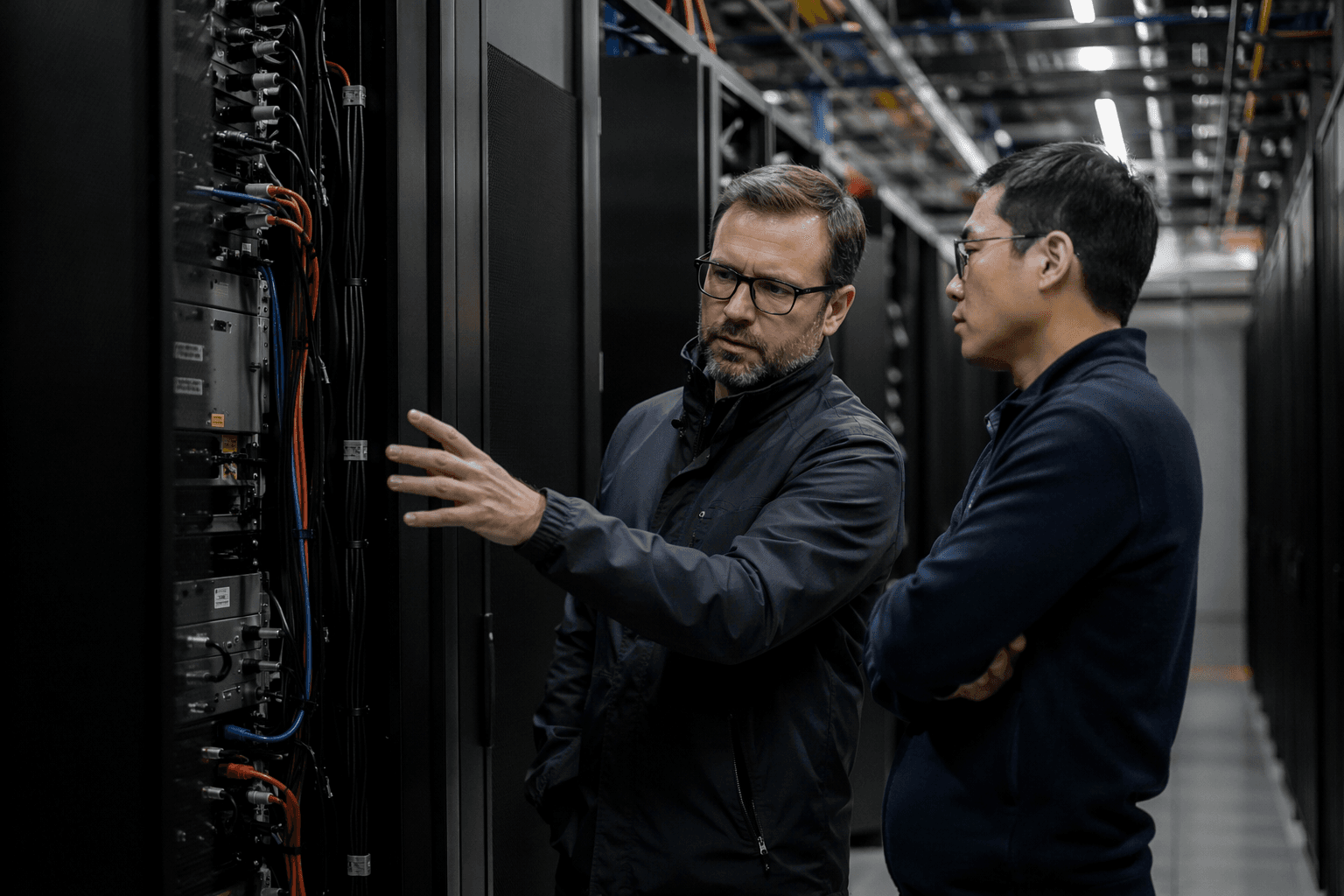
That push reflects how quickly AI buildouts have become an industrial challenge. Schneider said in a 2025 launch for its AI-focused data center products that rack power densities were projected to reach 1MW and beyond, a scale that makes electrical efficiency and thermal management strategic constraints rather than back-office tasks. The company’s earlier EcoStruxure Pod Data Center rollout also pointed in the same direction: more prefabricated, modular systems that can be deployed faster than traditional data-center construction.
For Schneider, the deal deepens its position in the data-center ecosystem at a moment when operators need integrated power and cooling systems more urgently than ever. For Foxconn, the collaboration broadens a business best known for electronics manufacturing into a higher-value layer of the AI supply chain, one that links hardware assembly, systems integration and data-center deployment. The company has already signaled that it sees AI infrastructure as a growth market, saying in early June that it was exploring AI servers, AI data centers and energy solutions with SK Group and announcing a separate collaboration with Intel on AI rack, edge AI and physical AI platforms.
Schneider chief executive Olivier Blum said the energy behind AI has become a fundamental enabler, while Foxconn chairman Young Liu argued that the industry needs a new model for how infrastructure is designed, built and delivered. That is the real message in the deal: the AI boom is no longer only rewarding chip designers and model developers. It is also creating a new race among the companies that can deliver industrial-scale power, cooling and assembly fast enough to keep the buildout moving.
This article was produced by Prism’s automated news system from verified source data, official records, and press releases, then run through automated quality and moderation checks before publishing. The system is built and supervised by the people who set the standards it runs under. Read our full AI policy.
Know something we missed? Have a correction or additional information?
Submit a Tip