Cadeler Secures $580 Million Full-Scope Offshore Wind Contracts
Danish installer Cadeler has signed two firm full-scope transportation and installation contracts worth roughly $580 million for an upcoming offshore wind farm, locking in major vessel utilisation through 2030. The deals, for foundation and turbine campaigns scheduled in 2029–2030 and contingent on the client's investment decision, highlight the tight market for specialized T&I capacity and underscore how policy and project financing will shape near-term offshore wind supply chains.
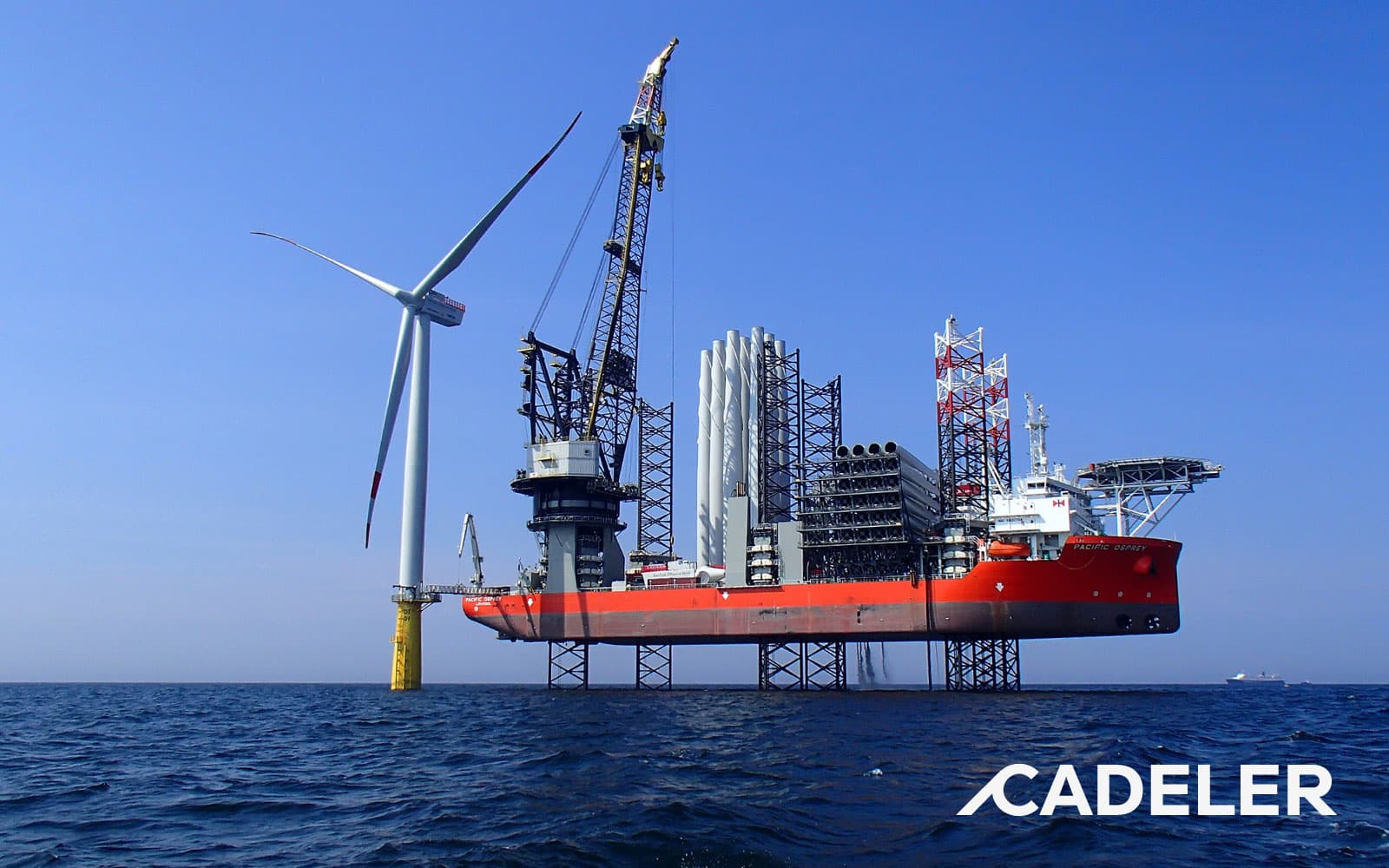
Cadeler, the Copenhagen-based offshore wind installation specialist, has agreed two firm contracts covering the full-scope transportation and installation (T&I) of foundations and turbines for a forthcoming offshore wind farm, with a combined value of around $580 million. The foundation campaign is slated to start in early 2029 using one of Cadeler’s newbuild A‑class vessels, while turbine installation is scheduled to kick off in early 2030 aboard an O‑class jack-up, with completion expected by late 2030.
The contracts represent Cadeler’s third full-scope foundation T&I campaign, a milestone that reflects both the company’s growing role in complex offshore projects and the broader demand for purpose-built installation vessels. By earmarking an A‑class newbuild for foundations and an O‑class jack-up for turbines, Cadeler is signaling the premium placed on specialized assets that can operate in deeper water and harsher weather, and that shortlists of available ships remain limited for multiyear campaigns.
Commercially, the deals will effectively lock Cadeler’s installation capacity across two critical years for the firm, providing visibility into vessel utilisation and revenue recognition as long as the client proceeds. The contracts are, however, conditioned on the client’s final investment decision; Cadeler noted that if the client does not greenlight the project the agreements may be terminated, subject to a termination fee. That structure shifts some execution risk back to the client while offering Cadeler partial compensation for mobilization and lost opportunity costs, a common feature in large offshore contracts that reflects persistent project-finance and permitting uncertainties.
Market implications extend beyond Cadeler. Full-scope T&I contracts of this size consume scarce marine resources and skilled crews, compressing availability for other projects and supporting stronger day rates for specialist vessels. For project developers and governments racing to meet renewable targets, the deal underlines the need to synchronize permitting, financing and shipbuilding pipelines: delays in investment decisions can cascade into capacity bottlenecks or squeeze margins if firms must scramble for alternate tonnage.
Policy and financing environments will be decisive. Developers’ investment decisions typically hinge on auction results, contract-for-difference arrangements, permitting milestones and projected merchant power prices. Any shifts in subsidy frameworks, interest rates or permitting timelines could nudge projects toward delay or cancellation, with knock-on effects for yards, suppliers and regional job forecasts.
Over the long term, the contract highlights two structural trends in offshore wind: a premium on integrated T&I capability and continued appetite for newbuild vessels to service increasingly ambitious wind farms. As the industry scales, developers, vessel owners and policymakers will need clearer signals on project pipelines to avoid both capacity shortfalls and overinvestment in highly specialized ships that command large capital outlays and multi-year deployment windows.
This article was produced by Prism’s automated news system from verified source data, official records, and press releases, then run through automated quality and moderation checks before publishing. The system is built and supervised by the people who set the standards it runs under. Read our full AI policy.
Did this article answer your question?