CAIR says anti-Muslim complaints hit record highs nationwide
A San Diego mosque shooting sharpened a broader warning: CAIR says anti-Muslim complaints and California bias reports have both hit record highs.

Anti-Muslim fear in the United States is showing up in complaint logs, school communities and now in the aftermath of a deadly mosque attack in San Diego County. The Council on American-Islamic Relations said its civil-rights complaints remain at an all-time high, a signal that harassment and discrimination are not easing even as official hate-crime numbers continue to rise and fall into public debate.
CAIR’s latest civil-rights reporting said California offices received the highest number of anti-Muslim complaints, and its California data showed law-enforcement encounters climbing from 295 in 2023 to 506 in 2024, a 71.5% jump. Nationally, CAIR said it received 8,061 complaints in 2023, then 8,658 in 2024, another record. Pew Research Center added to that picture in April 2024, finding that 44% of Americans said Muslims face “a lot” of discrimination in the United States.
The gap between those experiences and what appears in government records is part of the concern. The FBI said law-enforcement agencies reported 11,679 hate-crime incidents involving 14,243 victims in 2024, and its system defines hate crimes as offenses motivated in whole or in part by bias against race, religion, disability, sexual orientation, ethnicity, gender or gender identity. Muslim advocates and researchers have long argued that many incidents never make it into those tallies, whether because victims do not report them, local agencies classify them differently or they are treated as lesser offenses until violence escalates.
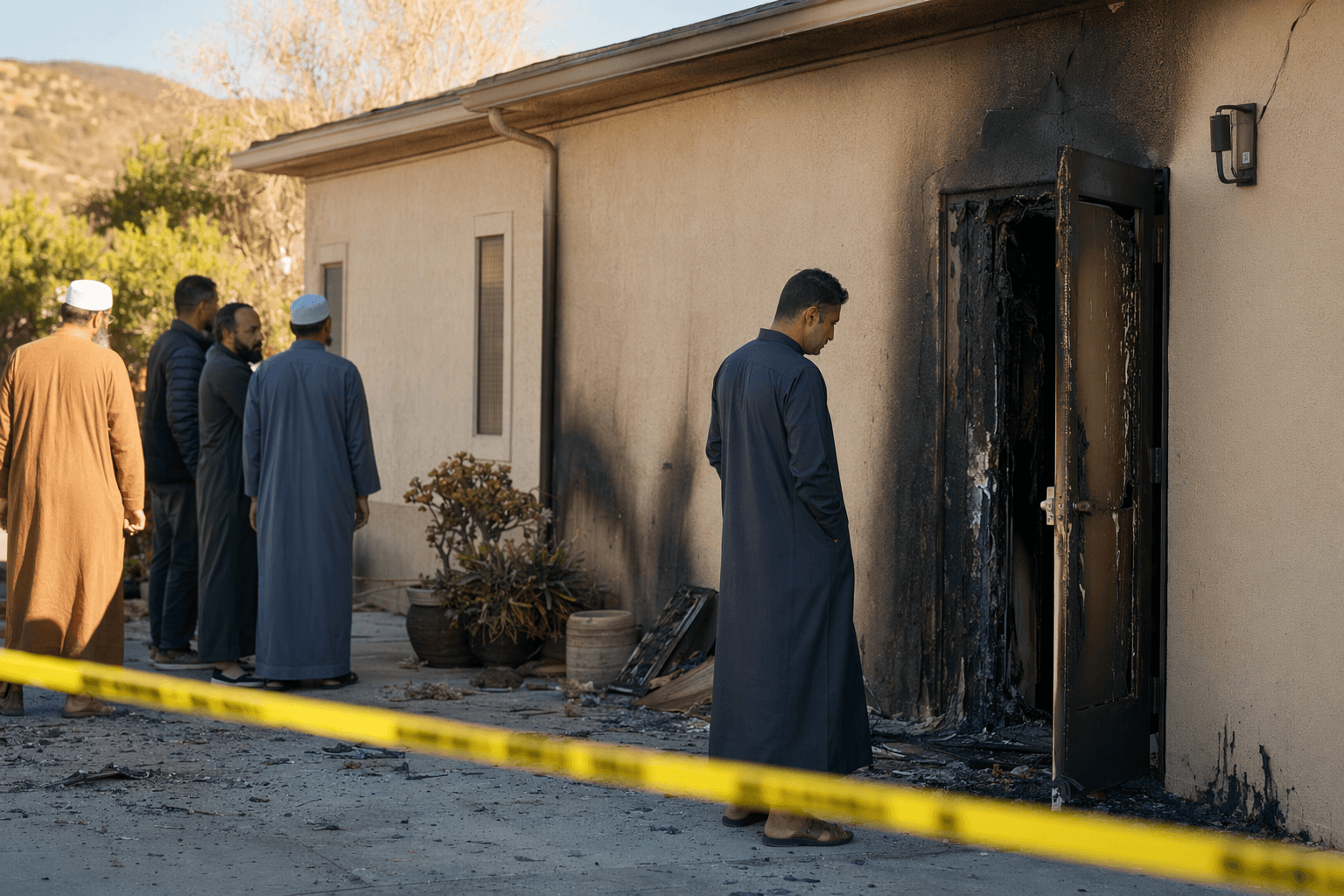
That tension was brought into sharp relief on May 18, 2026, when CAIR condemned a shooting at the Islamic Center of San Diego and said its San Diego office was monitoring the scene. Local reports said the attack was being investigated as a hate crime and that three men were killed, along with two teenage suspects who were also dead. The mosque, in Clairemont Mesa East, is described as the largest in San Diego and includes a school, making the shooting a direct blow to a site where worship, classes and community life overlap.
For Muslim communities, the consequences extend beyond one night of violence. Security costs rise, parents reconsider routines, and everyday religious life becomes shaped by fear and precaution. With anti-Muslim complaints at record levels and a major mosque attack now under hate-crime scrutiny, the national question is not just how many incidents are being counted, but how much of the burden is still missing from the official record.
This article was produced by Prism’s automated news system from verified source data, official records, and press releases, then run through automated quality and moderation checks before publishing. The system is built and supervised by the people who set the standards it runs under. Read our full AI policy.
Did this article answer your question?