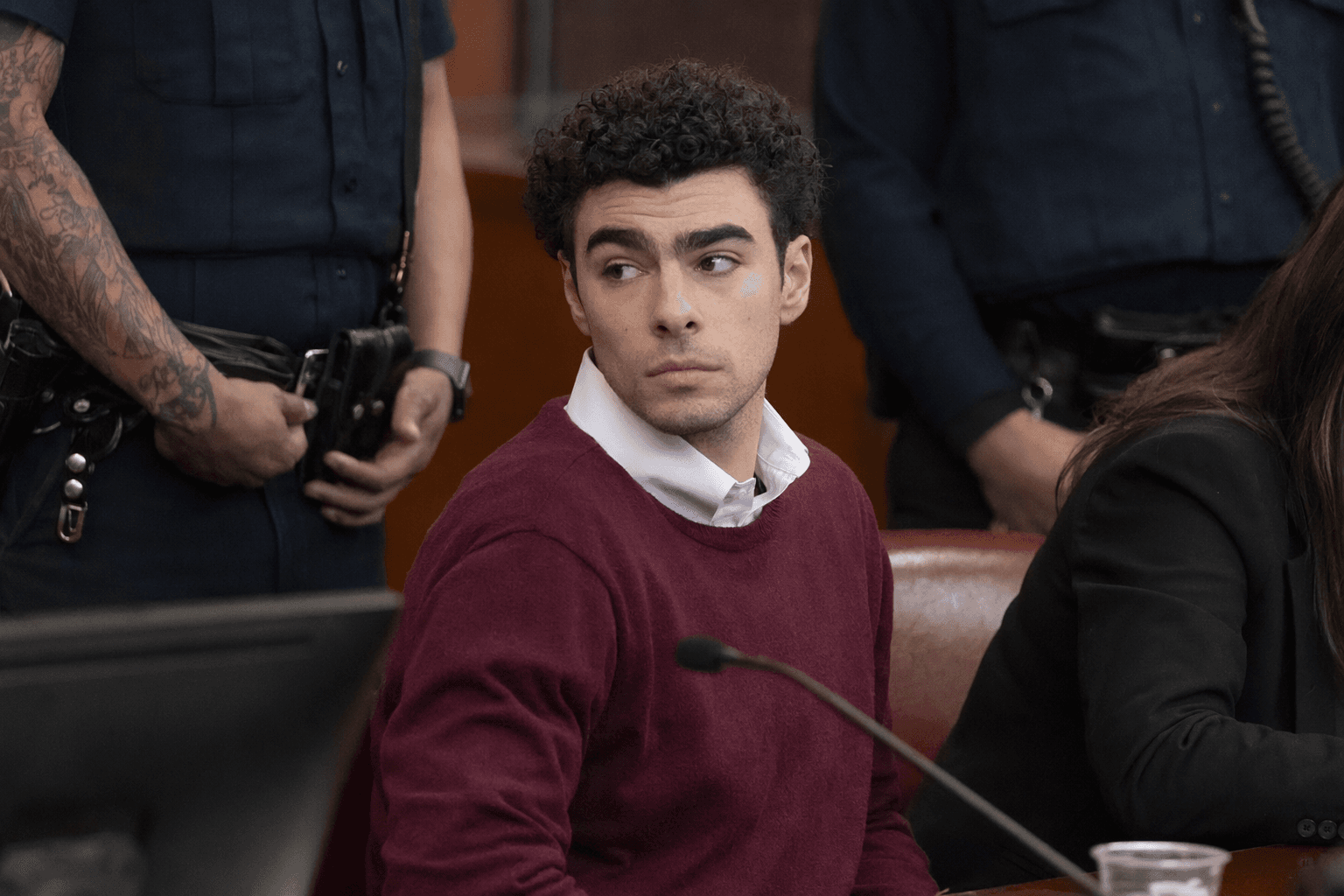
California Attack Survivors Dismissed by Police Finally Confront Their Kidnapper
Police told the world Denise Huskins faked her own kidnapping. Her attacker got 40 years, the city paid $2.5 million, and the survivors are still rewriting California law.
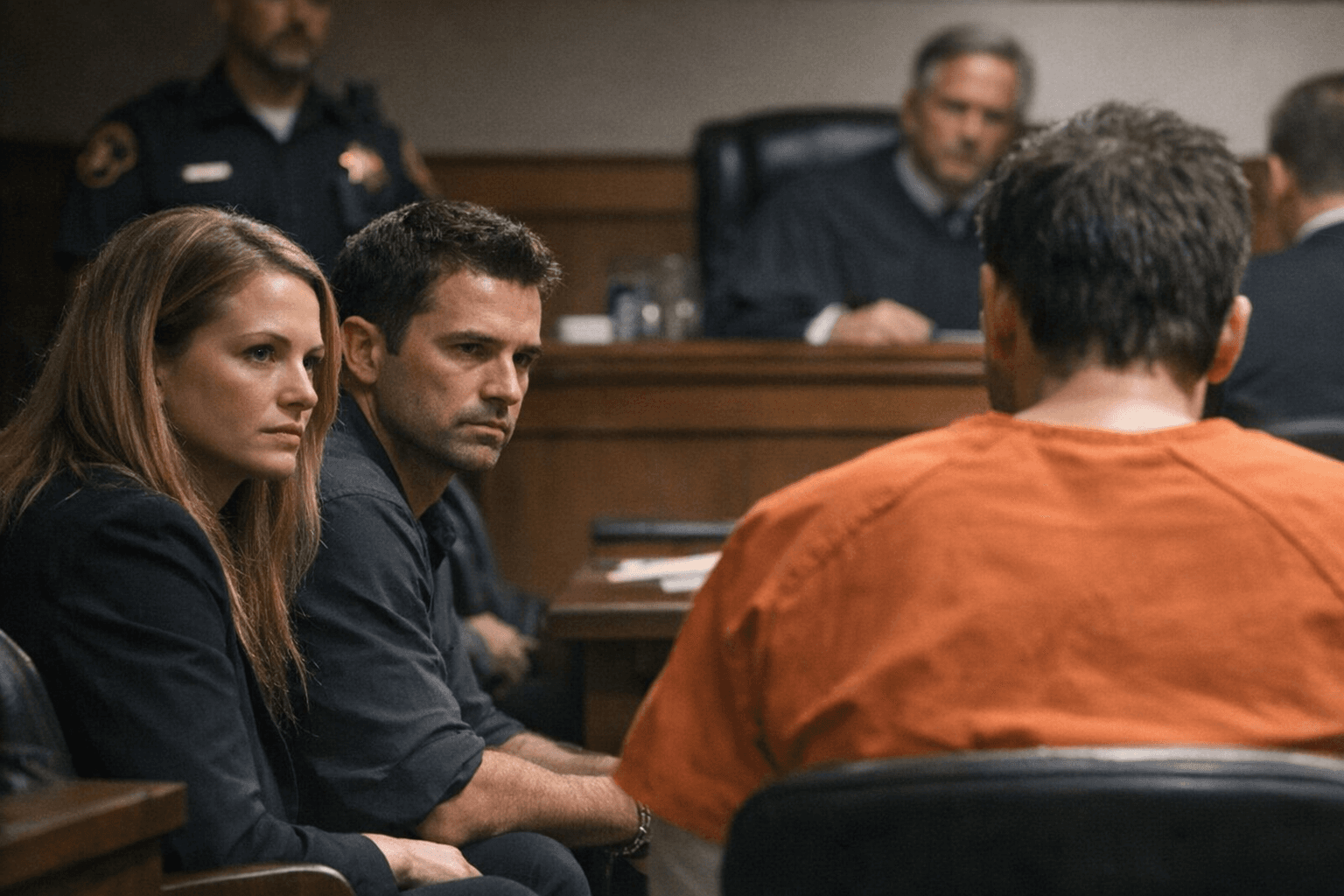
Denise Huskins heard her captor's car drive away, walked down a Southern California alley, and spotted the street where she grew up. That same night, the Vallejo Police Department held a press conference to declare her kidnapping a hoax.
That collision of survival and institutional disbelief defines one of the most consequential law enforcement failures in recent California history. A decade later, Huskins and her husband Aaron Quinn are confronting their kidnapper directly, with the case returning to national attention through a CBS News 48 Hours episode, "Denise and Aaron Quinn Get the Last Word," previewed March 28, 2026.
The attack began in the pre-dawn hours of March 23, 2015. Quinn and his then-girlfriend Huskins were asleep in his Vallejo, California home when an intruder appeared around 3 a.m. "This is a robbery. We are not here to hurt you, stay calm," Huskins later recalled the man saying. The attacker wore a wetsuit, never showed his face, and claimed to be part of a group, though he did all the talking. The couple named him "The Voice."
When Huskins reappeared in Huntington Beach, a neighbor called police. She told officers the same account Quinn had already given Vallejo investigators, but she sensed the same skepticism settling in: "It was, 'OK. Yeah, yeah, yeah. But … we need to figure out what's going on with Vallejo.' … And so it just felt like something wasn't right."
The same night she walked free, Vallejo Police Lt. Kenny Park told reporters the couple had "plundered valuable resources away from our community." Within days, nearly every news outlet attached the phrase "Gone Girl" to Huskins' name, a reference to a film about a staged disappearance. The label compounded the reputational damage the press conference had already set in motion.
The actual perpetrator surfaced not through the Vallejo investigation, but through a separate crime. In June 2015, nearly three months after the attack, a home invasion occurred in Dublin, California, about an hour south of Vallejo. The intruder fled but left a cell phone behind. "The wife called 911 while the husband fought back," said reporter Julie Watts, who covered the case. Detectives traced the device to a house in South Lake Tahoe and arrested 38-year-old Matthew Muller there. Muller was a Harvard-educated lawyer and former Marine, someone, as Watts noted, "not the type of person that you would expect."
Muller pleaded guilty to federal kidnapping charges in September 2016 and was sentenced in March 2017 to 40 years in federal prison. A Solano County court added a 31-year state sentence in 2022. He is currently held at a high-security federal facility in Tucson, Arizona.
Institutional accountability arrived unevenly and late. Vallejo settled a civil lawsuit with Huskins and Quinn for $2.5 million in 2018. Lt. Park later left the department. More than six years after the attack, under new leadership, Vallejo issued a formal apology acknowledging the case had not been handled with appropriate sensitivity.
Those concessions did not close the case's sharpest remaining wound. Huskins later discovered that Muller's then-wife had retained copies of explicit evidence from the criminal proceedings, exposing a gap in California law: no statute requires courts to issue protective orders over sexually explicit material involving adult victims. Huskins and Quinn are now preparing to testify in support of Senate Bill 1056, authored by Sen. Tim Grayson, which would mandate such protective orders and restrict how that material can be copied or shared.
SB 1056 is the most concrete, measurable reform to emerge from a case that spent its first months being treated as fiction. Its passage would grant future survivors the legal protection Huskins never knew to ask for and Vallejo never thought to offer.
Know something we missed? Have a correction or additional information?
Submit a Tip