California couple found dead after Tom Selleck impersonation scam
A Tom Selleck impersonator allegedly built trust with a 79-year-old California woman over text, then pushed gift cards and larger payments before she and her husband were found dead.
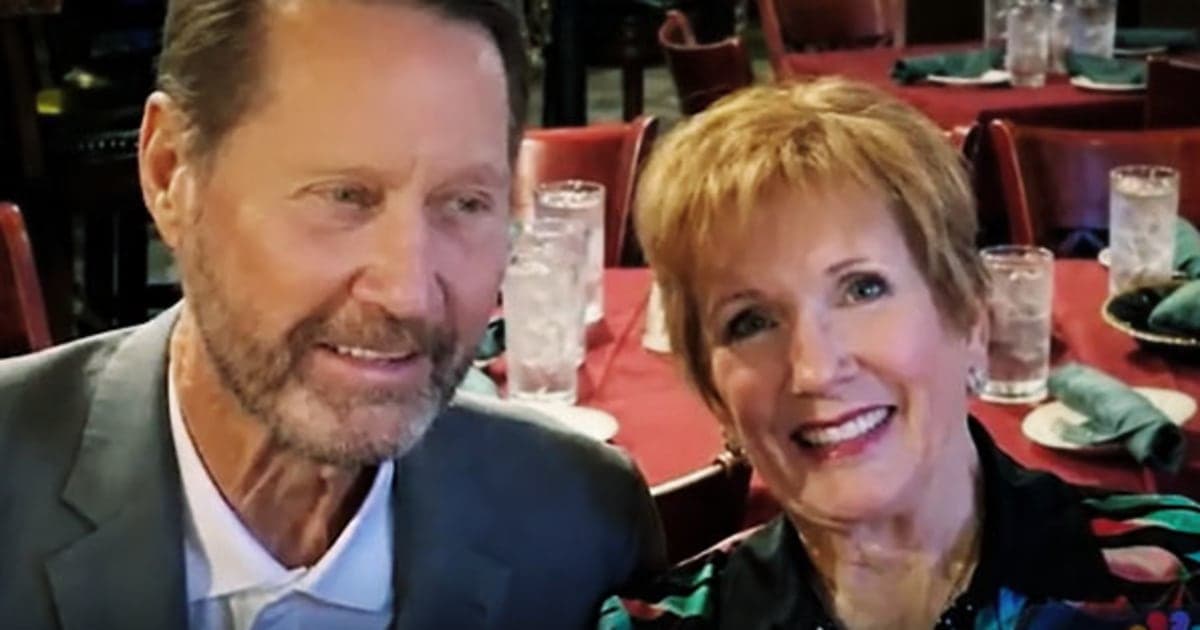
A scam that began with a Facebook tribute and a text message escalated over months into gift-card requests, larger cash demands and, authorities said, the financial abuse of a 79-year-old Bermuda Dunes woman. Donald Whitaker, 80, and Karen Whitaker, 79, were found dead in their home in the 79000 block of Montego Bay Drive after deputies were sent for a welfare check Friday, May 15, 2026, at 11:59 a.m.
The Riverside County Sheriff’s Office said both people were found suffering from traumatic injuries and were pronounced dead at the scene. Investigators said evidence suggested a murder-suicide. They also said there is no evidence so far that the unknown scammer or scammers were involved in the deaths, and Tom Selleck is not accused of any wrongdoing or involvement.

A longtime friend, Joy Miedecke, 81, said she had known the Whitakers for more than a decade through the East Valley Republican Women Patriots club. Miedecke said a neighbor requested the welfare check after Karen Whitaker did not show up for a Friday morning card game. By then, Miedecke said, the family had already been pulled into a scam that began about a year earlier.
According to Miedecke, the scheme started after Karen Whitaker posted memories of a deceased high school friend on Facebook. Someone then messaged her claiming to be Tom Selleck and said he had dated that friend years ago. Karen Whitaker shared her phone number, and the impersonator kept texting long enough to win her trust. The requests started small, Miedecke said: an $80 gift-card purchase for an event in November. The demands then grew to $800 for a table at a supposed event, before the amounts climbed into the hundreds and then thousands of dollars.
The case shows how celebrity-impersonation and romance-style scams often work on older adults: an unexpected social media contact, a story that feels personal, steady texting that creates familiarity, and then repeated requests for gift cards or cash. Those tactics can isolate victims financially and emotionally long before families realize how far the manipulation has gone.
Know something we missed? Have a correction or additional information?
Submit a Tip

