California governor candidates clash in first televised debate as primary nears
Mail ballots are out and seven contenders failed to break away, leaving California’s governor’s race wide open heading into the June 2 primary.

California voters are already receiving mail ballots for the June 2 primary, and the fight to replace term-limited Gov. Gavin Newsom still looks unsettled. Counties began mailing ballots on May 4, the registration deadline is May 18, and under California’s top-two system, the two candidates with the most votes will advance to the November 3 general election if no one clears a majority.
That structure has made the first nationally televised debate less a coronation than an early test of who can survive in a fractured field. Seven candidates sparred at Pomona College in the first of three planned debates, pressing attacks in an effort to gain ground before ballots are fully in voters’ hands. By the end of the night, none had clearly separated from the pack.
The stakes are unusually high. California’s governor controls policy for about 39 million residents and oversees a budget of roughly $300 billion, making the office the most powerful elected job in the nation’s most populous state. Yet the race remains murky, even after Rep. Eric Swalwell suspended his campaign following reports of sexual misconduct allegations, a departure that reshaped the Democratic contest without resolving it.
The field still includes Xavier Becerra, Katie Porter, Tom Steyer, Antonio Villaraigosa and Matt Mahan on the Democratic side, along with Republicans Chad Bianco and Steve Hilton. CalMatters has said 61 candidates are on the June 2 ballot, underscoring how crowded the top-two primary has become and how difficult it remains for any one contender to emerge as a consensus alternative.
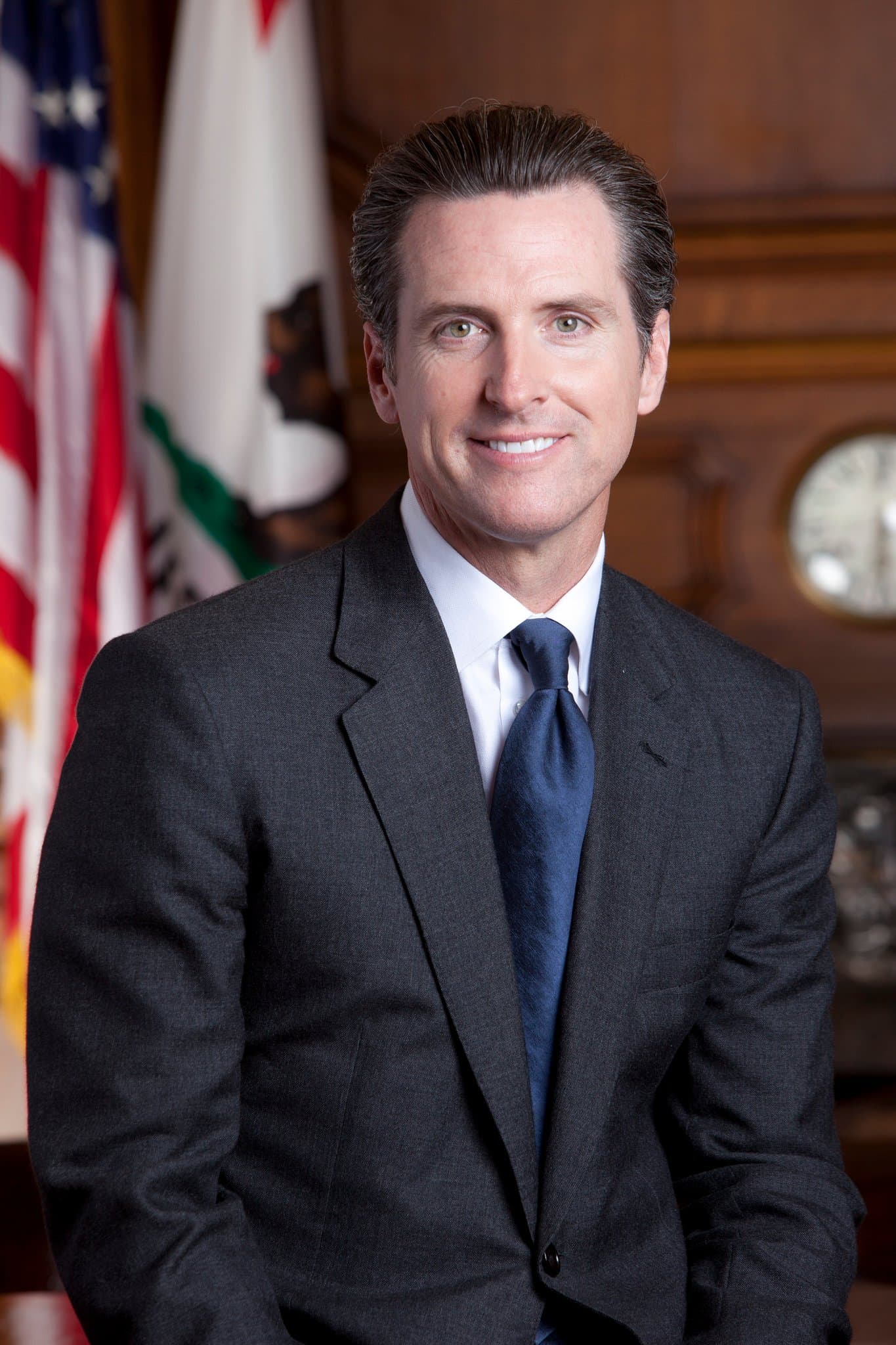
The debate also exposed the issues candidates believe can reach beyond their partisan bases. Housing, crime, the cost of living and climate are shaping the race’s central governing arguments, and the contestants are trying to prove they can speak to voters who are not already locked into a party lane. That is the deeper test in a state where party leaders have largely stayed on the sidelines and where the California Democratic Party chair has publicly urged candidates with no viable path to the general election to step aside.
For now, the race is still searching for the candidate who can turn a crowded primary into a broader choice about affordability, public safety and the state’s future direction. With ballots already arriving and more debates ahead, the next phase will determine whether anyone can break through before California narrows the field for November.
This article was produced by Prism’s automated news system from verified source data, official records, and press releases, then run through automated quality and moderation checks before publishing. The system is built and supervised by the people who set the standards it runs under. Read our full AI policy.
Did this article answer your question?


%3Amax_bytes(150000)%3Astrip_icc()%2FTrumpandBitcoin2-58606bf51eda48bdaef9a9853f2541ad.png&w=1920&q=75)