Republicans seek $1 billion for White House ballroom security upgrades
Senate Republicans sought $1 billion for White House security work, and Democrats said the money would effectively underwrite Trump’s planned ballroom.

Senate Republicans sought to steer $1 billion in taxpayer money to the U.S. Secret Service for security upgrades tied to the White House East Wing modernization, setting off a fight over whether public dollars would end up backing Donald J. Trump’s ballroom project.
The clash centers on a project the White House announced on July 31, 2025: a new White House State Ballroom that would begin construction in September 2025, cover about 90,000 square feet, seat 650 people and cost about $200 million. The White House said Trump and other private donors would fund the ballroom and that it would rise where the East Wing currently sits.
Republicans have framed the $1 billion as a security measure, saying it would pay for adjustments and upgrades needed around the site. The White House has pushed back, saying the money is connected to the ballroom project itself. That disagreement has turned the proposal into more than a facilities fight. It has become a test of whether lawmakers are willing to use federal money to support a project tied to a sitting president’s private brand.
The issue is now embedded in a broader Republican reconciliation package, giving it a far larger fiscal and political footprint than a routine construction request. Democrats have criticized the plan as taxpayer support for a Trump-branded undertaking, arguing that security funding should not be used to blur the line between public infrastructure and a private donor-backed showpiece.
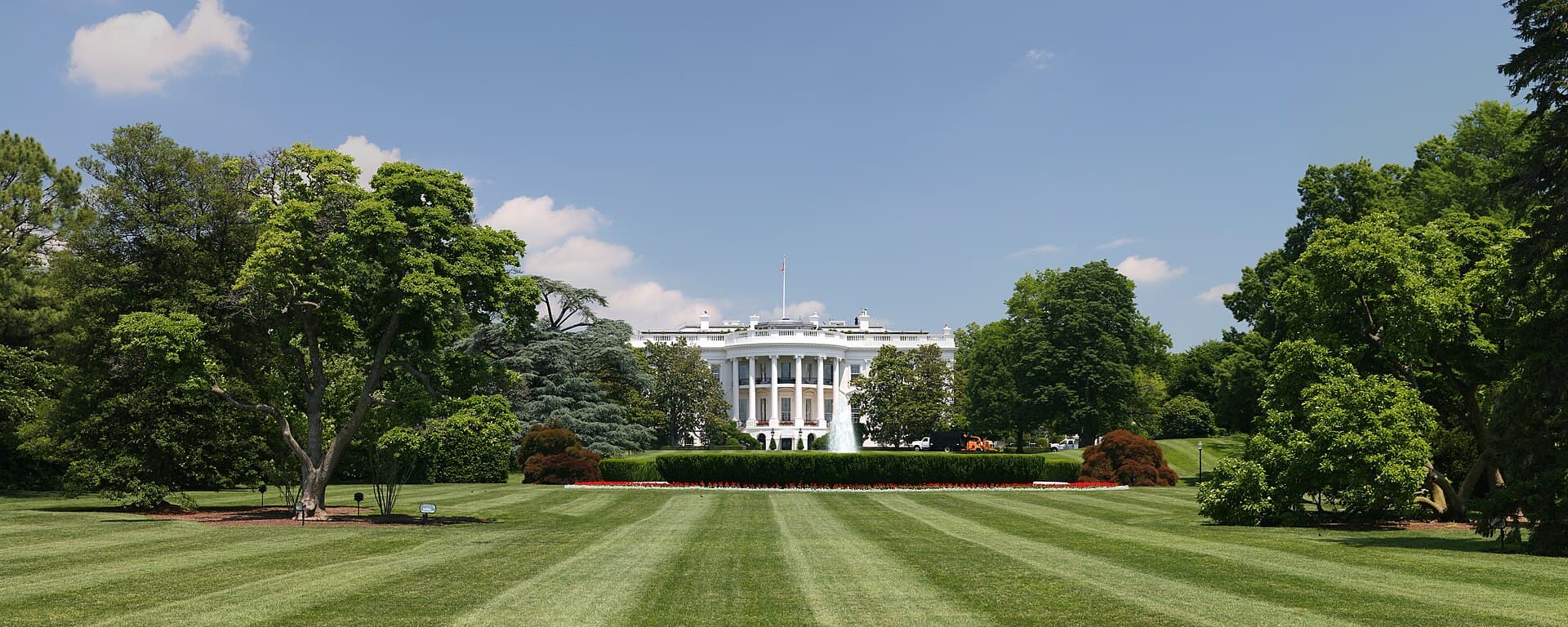
The White House has defended the ballroom by placing it in a long presidential tradition of White House changes, pointing to renovations and additions made under presidents from Theodore Roosevelt through Biden-era work. But the scale of this proposal, and the decision to put it on the footprint of the East Wing, has made the accounting question unavoidable: how much of the $1 billion would cover legitimate security requirements, and how much would effectively subsidize an expansion that enhances Trump’s personal and political image?
That distinction matters for precedent as much as for politics. If lawmakers approve the money without a clear breakdown of security needs, procurement rules and cost controls, they risk normalizing a model in which federal agencies absorb the public costs of a private project staged at the White House.
This article was produced by Prism’s automated news system from verified source data, official records, and press releases, then run through automated quality and moderation checks before publishing. The system is built and supervised by the people who set the standards it runs under. Read our full AI policy.
Did this article answer your question?


