California man charged in White House shooting, attempted assassination case
A 31-year-old Torrance man faces a rare attempted assassination charge after prosecutors tied a White House checkpoint shooting to anti-Trump writings and posts.
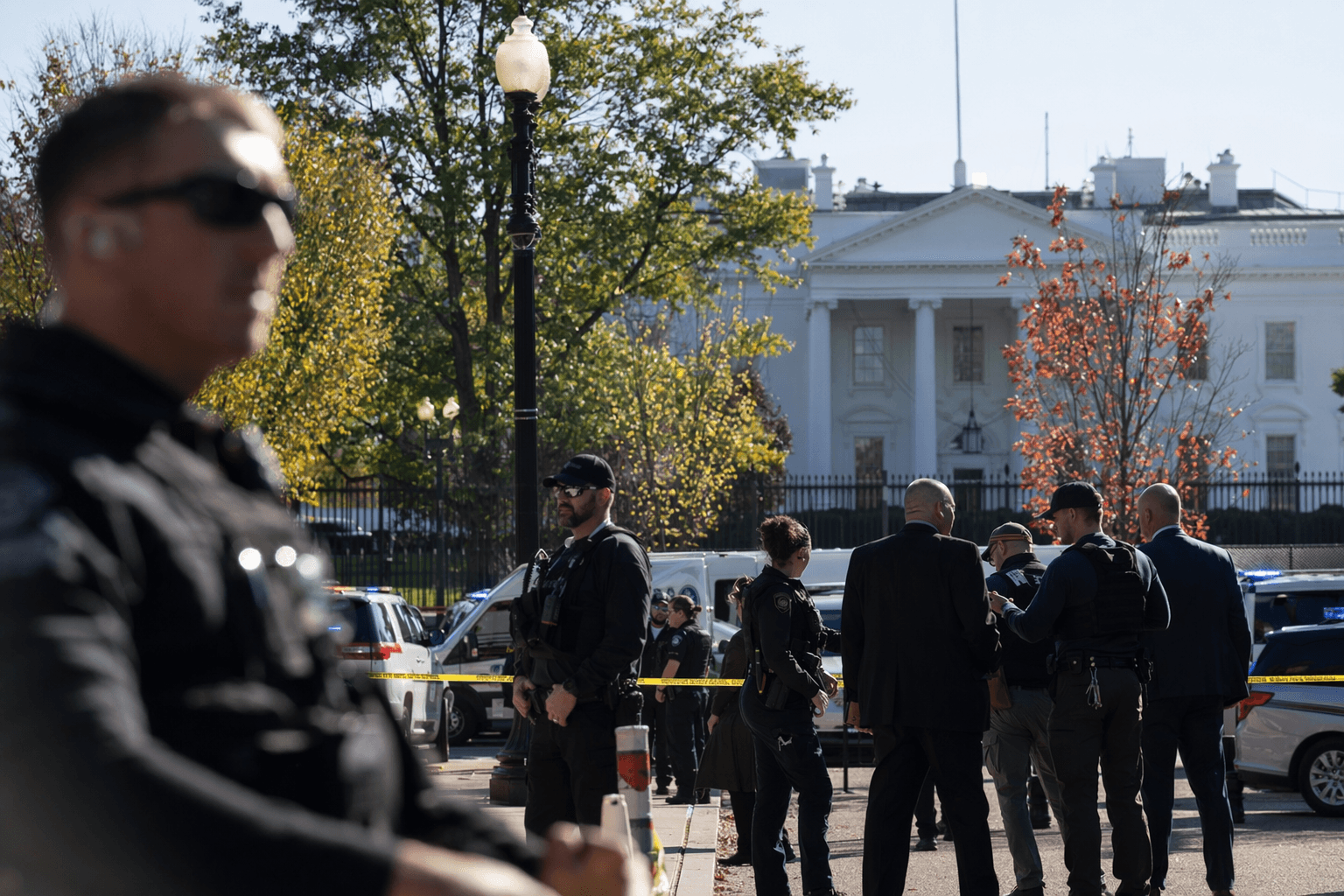
Cole Allen, 31, of Torrance, California, appeared in federal court in Washington, D.C., on Monday after prosecutors charged him with attempting to assassinate the president in a shooting linked to the White House Correspondents’ Association Dinner. The case, now moving from the shock of gunfire to the mechanics of prosecution, turns on whether federal authorities can prove not just violence, but intent.
Allen faces three federal felony counts: using a firearm during a crime of violence, transportation of a firearm in interstate commerce with intent to commit a felony, and attempt to assassinate the president of the United States. Those charges give prosecutors a legal roadmap, but they also set a high bar. To sustain the assassination count, the government will have to show that Allen meant to kill President Donald Trump and took a substantial step toward carrying out that plan.
Authorities say Allen opened fire at a Secret Service checkpoint, injuring an officer before being subdued. The officer is expected to recover. That sequence matters because federal prosecutors will likely use the checkpoint shooting, the weapon charge, and the interstate firearm allegation to argue that the attack was planned and not a spontaneous outburst.
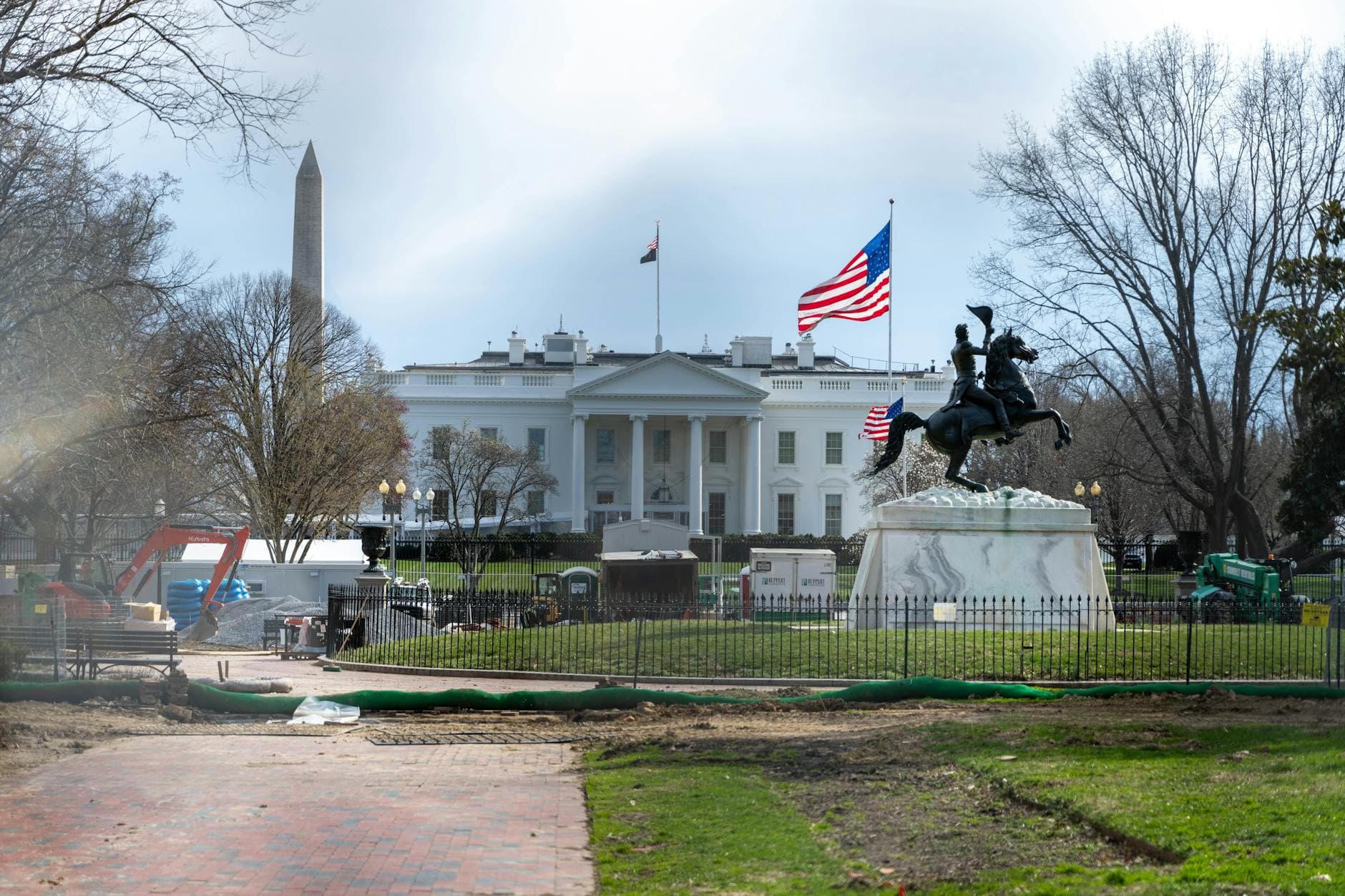
Investigators have also pointed to a manifesto and social media posts expressing anti-Trump views as key evidence in assessing motive. Those materials could become central to the case if prosecutors seek to show that Allen’s actions were tied to a political purpose and not simply reckless violence. In a prosecution like this, digital statements can help connect intent to conduct, especially when the charge requires proof that the act was aimed at the president.
The timing and setting amplify the security stakes. The shooting came at or near the White House Correspondents’ Association Dinner, one of the capital’s most heavily watched political events, where the Secret Service is expected to manage a dense and fast-moving security environment. An attack at a checkpoint raises immediate questions about how closely armed threats can approach federal protective zones and what warning signs, if any, were missed.
The case also arrives after the 2024 attempted assassination of Donald Trump, another high-profile federal political-violence prosecution. Ryan Wesley Routh was later convicted and sentenced in 2026 to life plus 84 months in federal prison for that attack. Together, the two cases underline how federal prosecutors are treating threats against Trump not as isolated episodes, but as part of a broader pattern of political violence now being tested in court.
This article was produced by Prism’s automated news system from verified source data, official records, and press releases, then run through automated quality and moderation checks before publishing. The system is built and supervised by the people who set the standards it runs under. Read our full AI policy.
Did this article answer your question?

