Interior strikes offshore wind deal, steers millions into oil and gas projects
Interior reimbursed offshore wind leases worth nearly $1 billion and redirected the money toward oil, gas and LNG, a costly pivot that could chill future clean-energy investment.
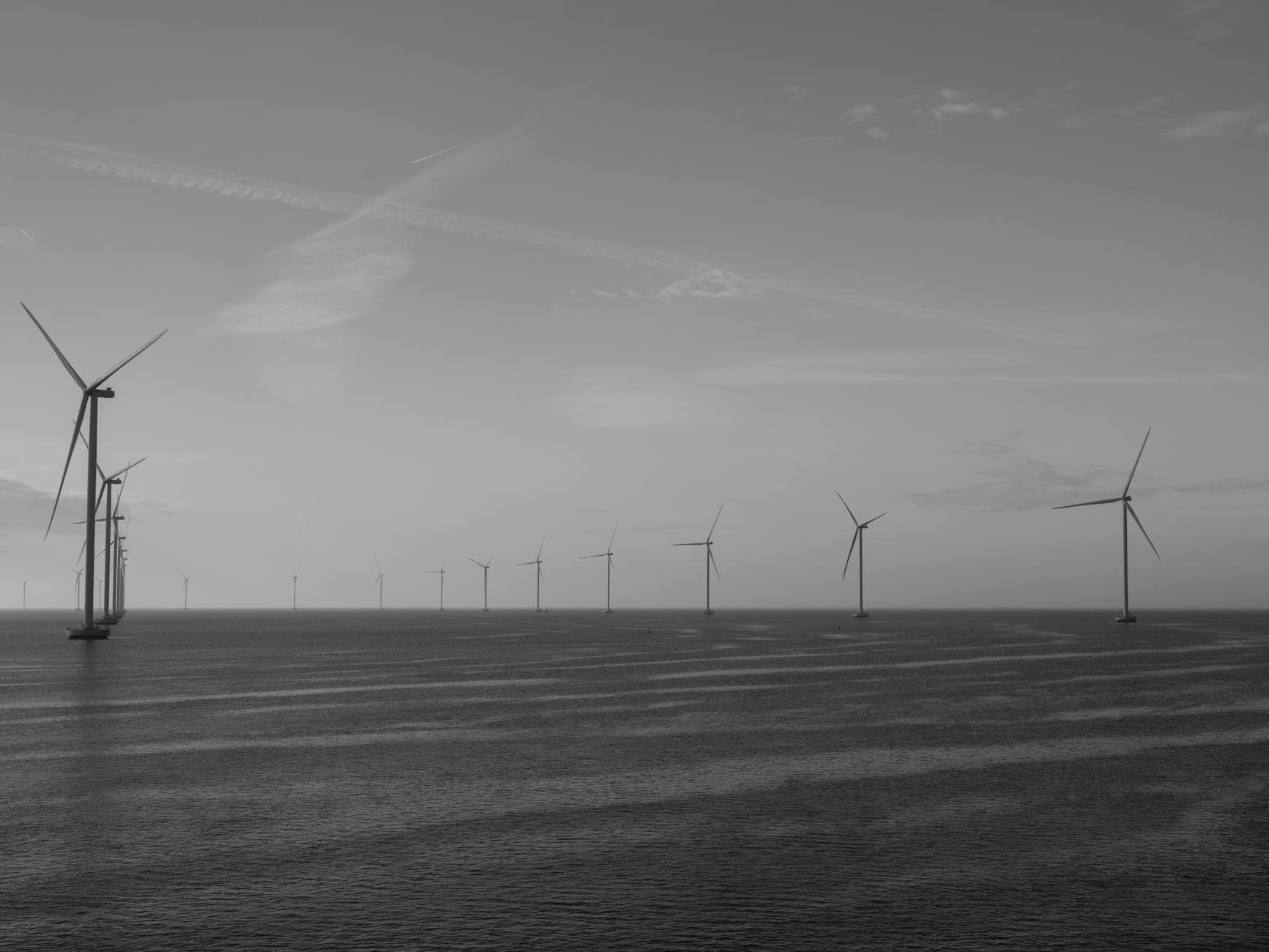
The Trump administration turned two more offshore wind leases into fossil-fuel bets, offering reimbursement for the lease value in exchange for ending projects that had been expected to power more than 1 million homes each. The deal pushes capital away from wind development and into oil, natural gas and LNG, with Interior saying the companies would not pursue any new offshore wind projects in the United States.
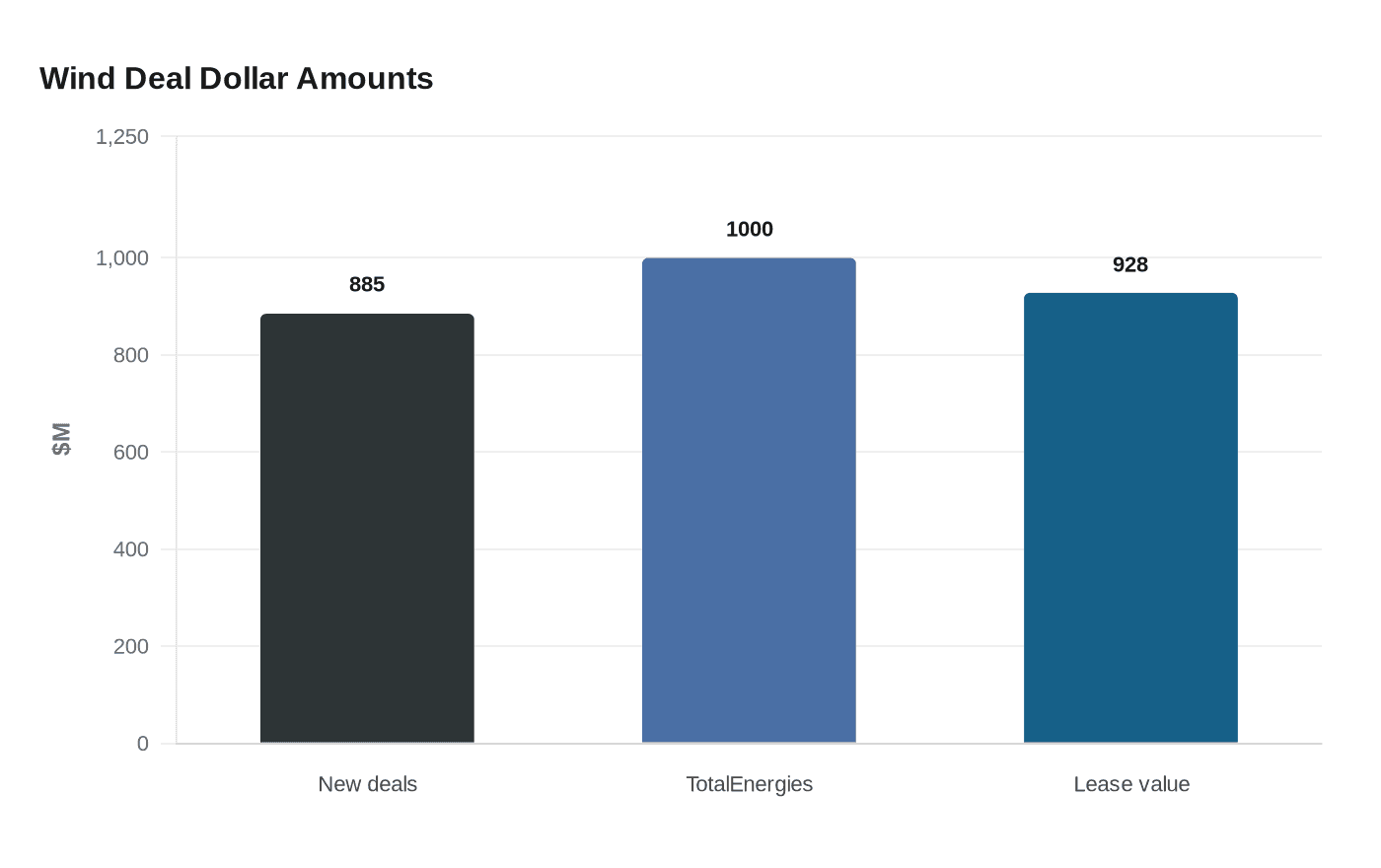
On April 27, the Interior Department said Bluepoint Wind and Golden State Wind had each agreed to voluntarily end their offshore wind leases under the same model it used in March with TotalEnergies. Reuters reported the new agreements at $885 million in pledged fossil-fuel investments. Bluepoint Wind covered leases off New Jersey and New York, while Golden State Wind was a floating offshore wind project off California’s central coast. Both were managed by Ocean Winds, the North American joint venture of France’s ENGIE and Portugal’s EDP Renewables.
Interior said TotalEnergies had agreed on March 23 to renounce its offshore wind leases off New York and North Carolina, including the Attentive Energy and Carolina Long Bay projects, in exchange for dollar-for-dollar reimbursement up to about $1 billion. One estimate put the lease value at $928 million. The company said the money would be redirected into U.S. oil, natural gas and LNG production, including the Rio Grande LNG plant in Texas, and into conventional oil and shale gas development.
The policy tradeoff is explicit: the federal government is paying to pull capital out of renewable energy and steer it into hydrocarbons. That leaves taxpayers or other public accounts bearing the reimbursement cost, while power markets lose future offshore wind supply and climate goals take a direct hit. Interior has framed the move as part of Donald Trump’s “Energy Dominance” agenda, while Doug Burgum has argued offshore wind is expensive, unreliable and dependent on subsidies.
Patrick Pouyanné, the chief executive of TotalEnergies, said the company viewed offshore wind development in the United States as “not in the country’s interest” and chose to redirect capital toward LNG and fossil-fuel projects instead. The administration had already issued stop-work orders on five offshore wind projects under construction on the East Coast, though judges lifted all five orders earlier in 2026. Taken together, the deals create a clear precedent: offshore wind leases can be unwound for cash and followed by a pledge to move investment into oil and gas, a message that could slow future clean-energy financing across the country.
This article was produced by Prism’s automated news system from verified source data, official records, and press releases, then run through automated quality and moderation checks before publishing. The system is built and supervised by the people who set the standards it runs under. Read our full AI policy.
Did this article answer your question?

