Prosecutors say man targeted Trump at dinner, faces attempted assassination charge
Prosecutors say Cole Tomas Allen traveled across the country armed and was stopped near a dinner with nearly 2,600 guests, exposing fresh gaps in event security.
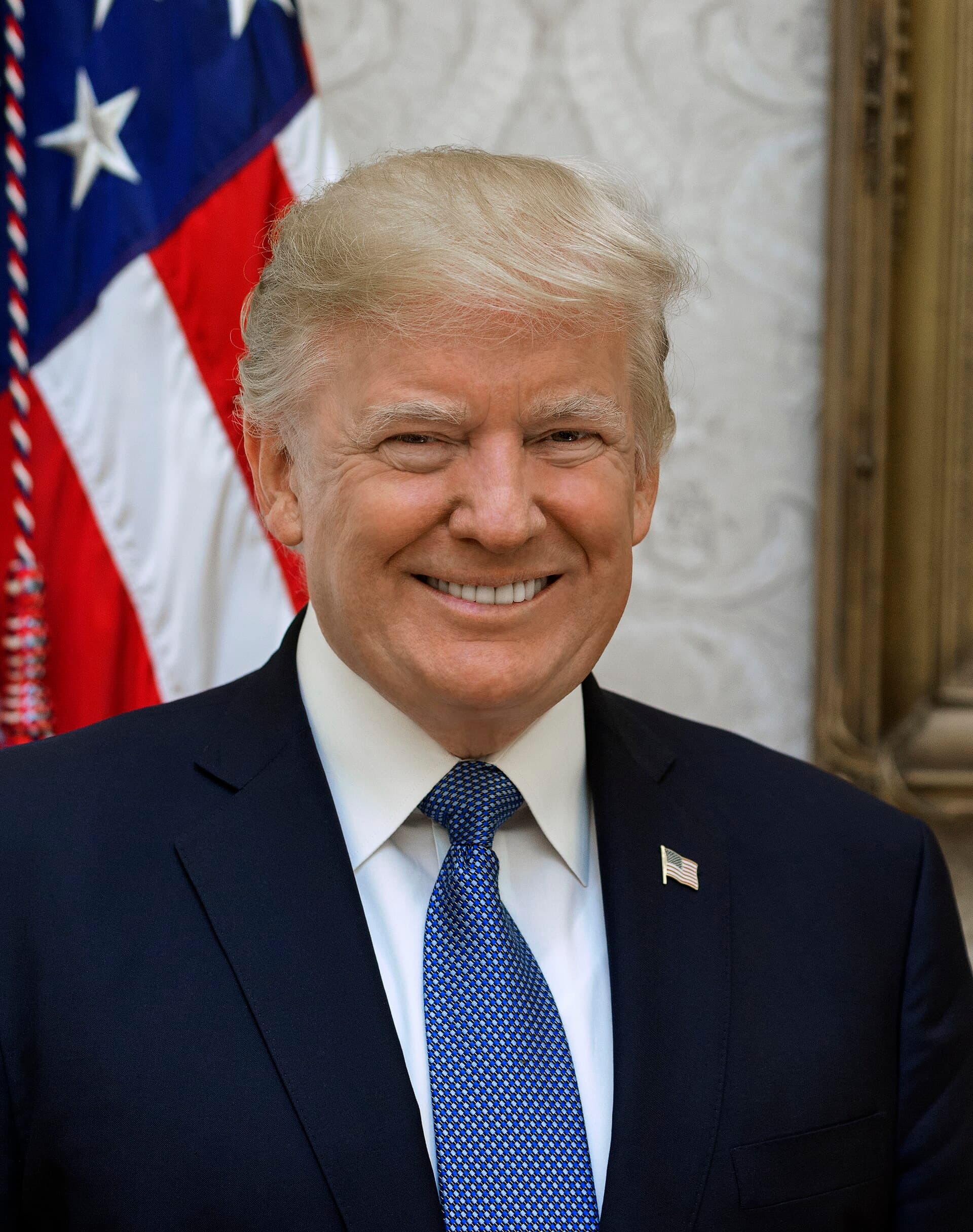
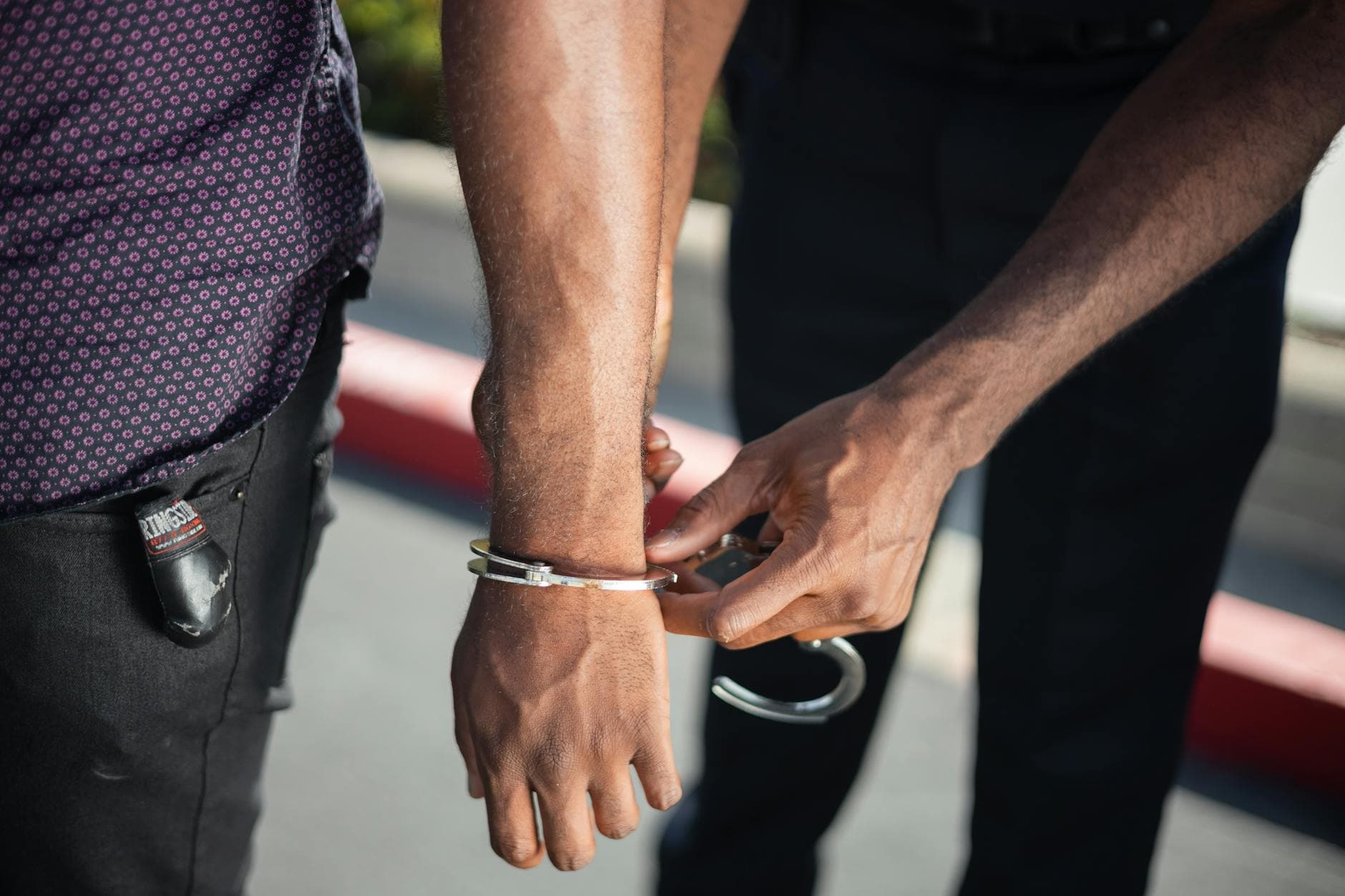
Federal prosecutors said Cole Tomas Allen, 31, of Torrance, California, now faces a complaint charging attempted assassination of the President of the United States, interstate transportation of a firearm and ammunition with intent to commit a felony, and discharge of a firearm during a crime of violence. Allen was arraigned on April 27, and officials said he could face additional charges as the investigation continues.
Authorities said Allen traveled by train from near Los Angeles to Chicago and then on to Washington, D.C., after reserving a room at the Washington Hilton on April 6 for April 24 through April 26. Prosecutors said the shooting unfolded on April 25 at the White House Correspondents’ Association Dinner, where nearly 2,600 guests were inside when Secret Service officers moved to stop him before he reached the ballroom.
One Secret Service officer was struck by a round but was protected by a bullet-resistant vest and later was recovering. Trump and other senior officials were evacuated safely. The episode turned a night built around Washington ritual into a test of layered security, forcing attention back onto how quickly threats can be identified and contained when a high-profile political gathering is underway.
Investigators told NBC News that Allen had sent family members a note about 10 minutes before the attack saying he believed it was his duty to target Trump administration officials. NBC also reported that the note included a list of targets and that Allen apologized to his family and others for what he was about to do. Officials said he was armed with a shotgun, a handgun and knives, details that deepen scrutiny of how he moved from long-distance travel to a protected venue without being stopped earlier.
The White House Correspondents’ Association dinner, traditionally an annual event honoring journalism and the First Amendment, was disrupted for the first time during Trump’s second-term appearance at the event. Trump later said he hoped the dinner could be rescheduled within 30 days. For security officials, the case is likely to sharpen pressure on screening, checkpoint procedures and threat detection around major political events in an already volatile election-era environment.
Know something we missed? Have a correction or additional information?
Submit a Tip