California says Amazon pressured brands to push rivals into higher prices
California said Amazon leaned on brands to push Walmart, Target and others into higher prices, a move the state says could have made shoppers pay more across retail.
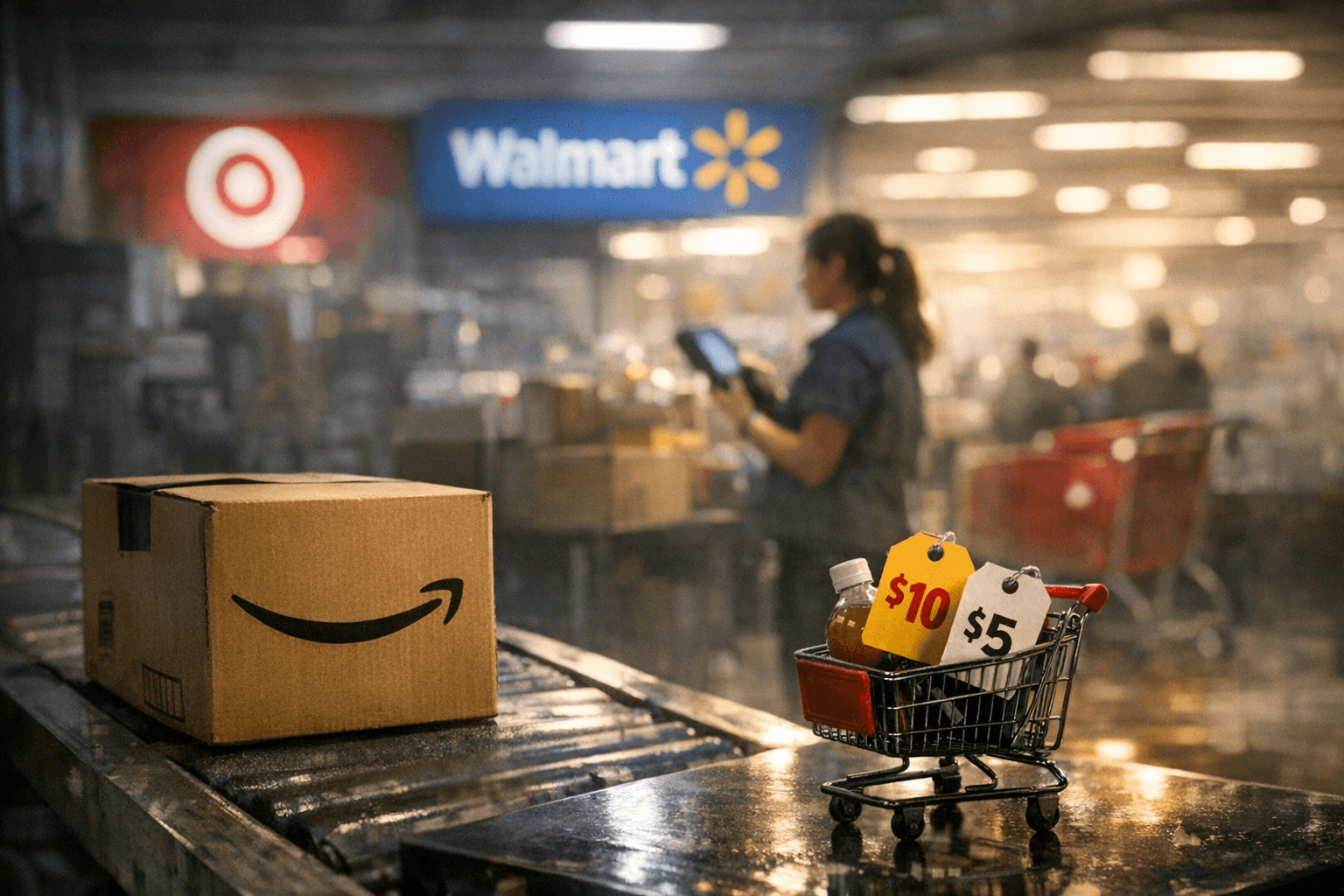
If California proves its case, shoppers paid more not because of normal competition but because Amazon allegedly helped shape prices well beyond its own site. The state says the e-commerce giant pressured brands including Levi Strauss and Hanesbrands to push rivals into higher prices, a tactic that reached Walmart, Target, Home Depot and Chewy.
The newly unsealed filing expands California’s 2022 antitrust lawsuit against Amazon and says the company worked behind the scenes with merchants to prod competing retailers to lift prices so Amazon would not be undercut. The allegations span ordinary consumer staples and apparel, from khaki pants and fertilizer to eye drops and dog treats, underscoring how broadly the state says the pricing conduct spread across retail categories.
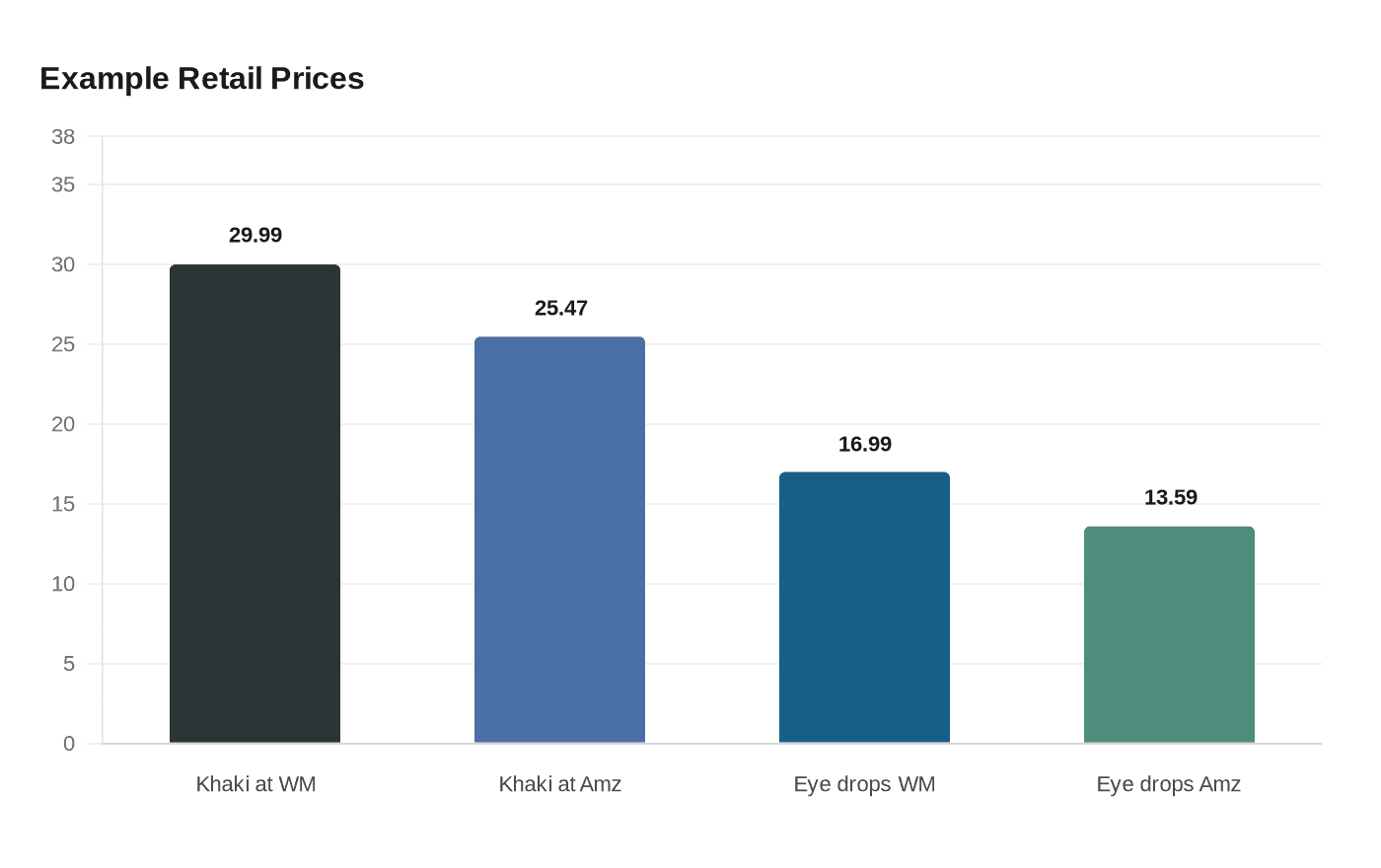
One example in the filing says Levi Strauss sought a $29.99 price for Easy Khaki Classic pants at Walmart after Amazon objected to Walmart’s $25.47 price. Another says Home Depot agreed to raise fertilizer prices after Amazon complained about lower prices. A separate example says Amazon pushed Allergan, now part of AbbVie, to see whether Walmart would charge $16.99 for eye drops so Amazon would not have to price-match Walmart’s $13.59 price.
California Attorney General Rob Bonta asked the San Francisco Superior Court in February for a preliminary injunction to stop the alleged conduct while the case moves forward. Amazon is the only named defendant in the state case, and the trial is scheduled for January 2027. California said it obtained a largely unredacted version of the filing for public review, giving a fuller look at the conduct the state says sat at the center of the pricing system.
The case turned another corner on April 16, when a San Francisco Superior Court judge denied Amazon’s motion for summary judgment on its seventh crossclaim. For California, the ruling and the newly unsealed allegations add pressure to an antitrust case that now asks a larger question: how much control a dominant online marketplace can exert over prices across the wider retail economy.
This article was produced by Prism’s automated news system from verified source data, official records, and press releases, then run through automated quality and moderation checks before publishing. The system is built and supervised by the people who set the standards it runs under. Read our full AI policy.
Did this article answer your question?

