California startup wins FCC approval to test space mirror at night
Federal regulators cleared a Southern California startup to test a satellite mirror that would cast a moon-bright patch onto Earth at night, drawing near 2,000 public comments.
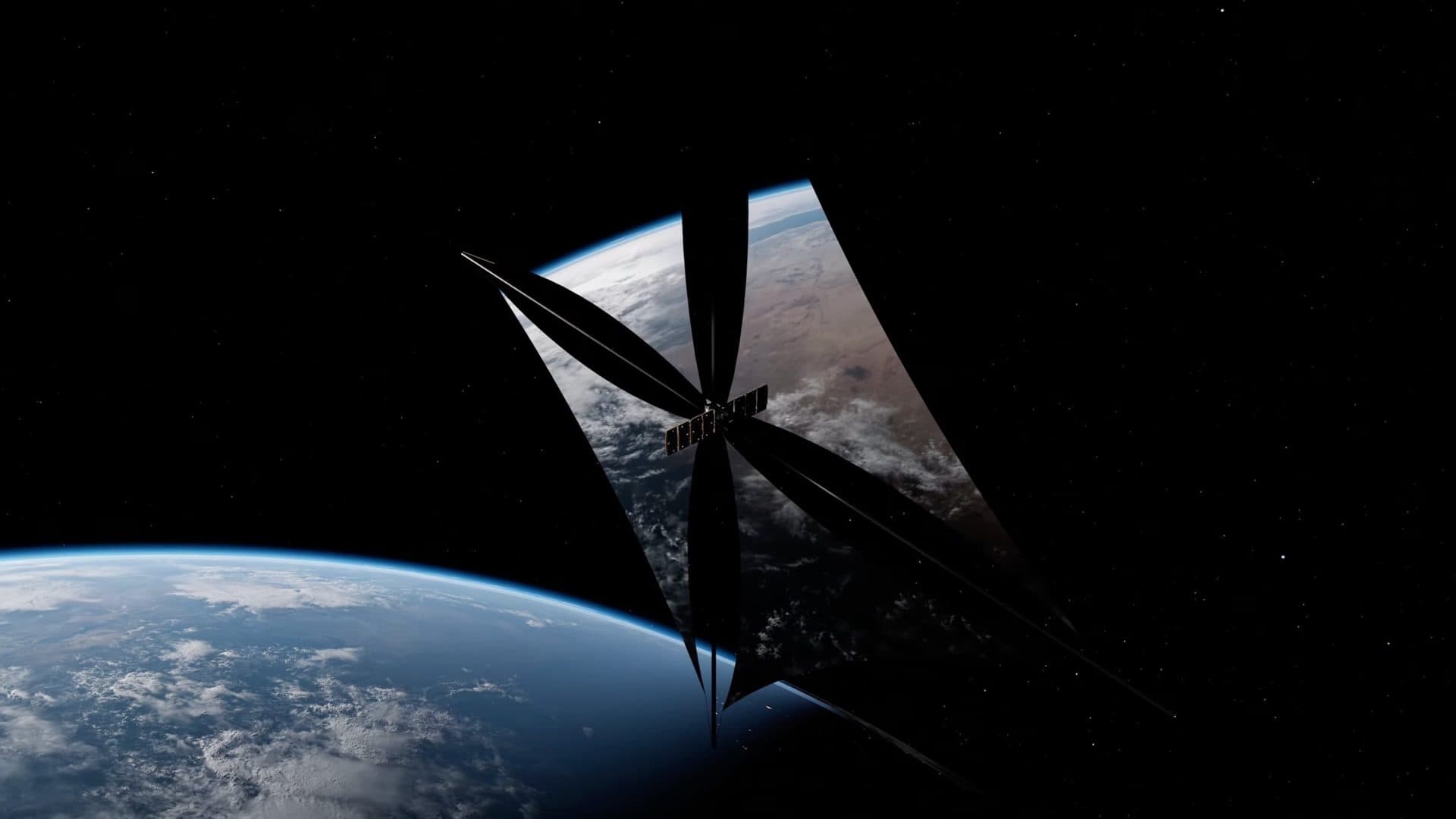
The Federal Communications Commission approved Reflect Orbital’s first test satellite, Eärendil-1, giving the Southern California startup permission to try bouncing sunlight from low Earth orbit onto the night side of Earth. The agency granted authority on July 9, 2026, after the company filed its application on July 29, 2025 and the FCC accepted it for filing on February 6, 2026.
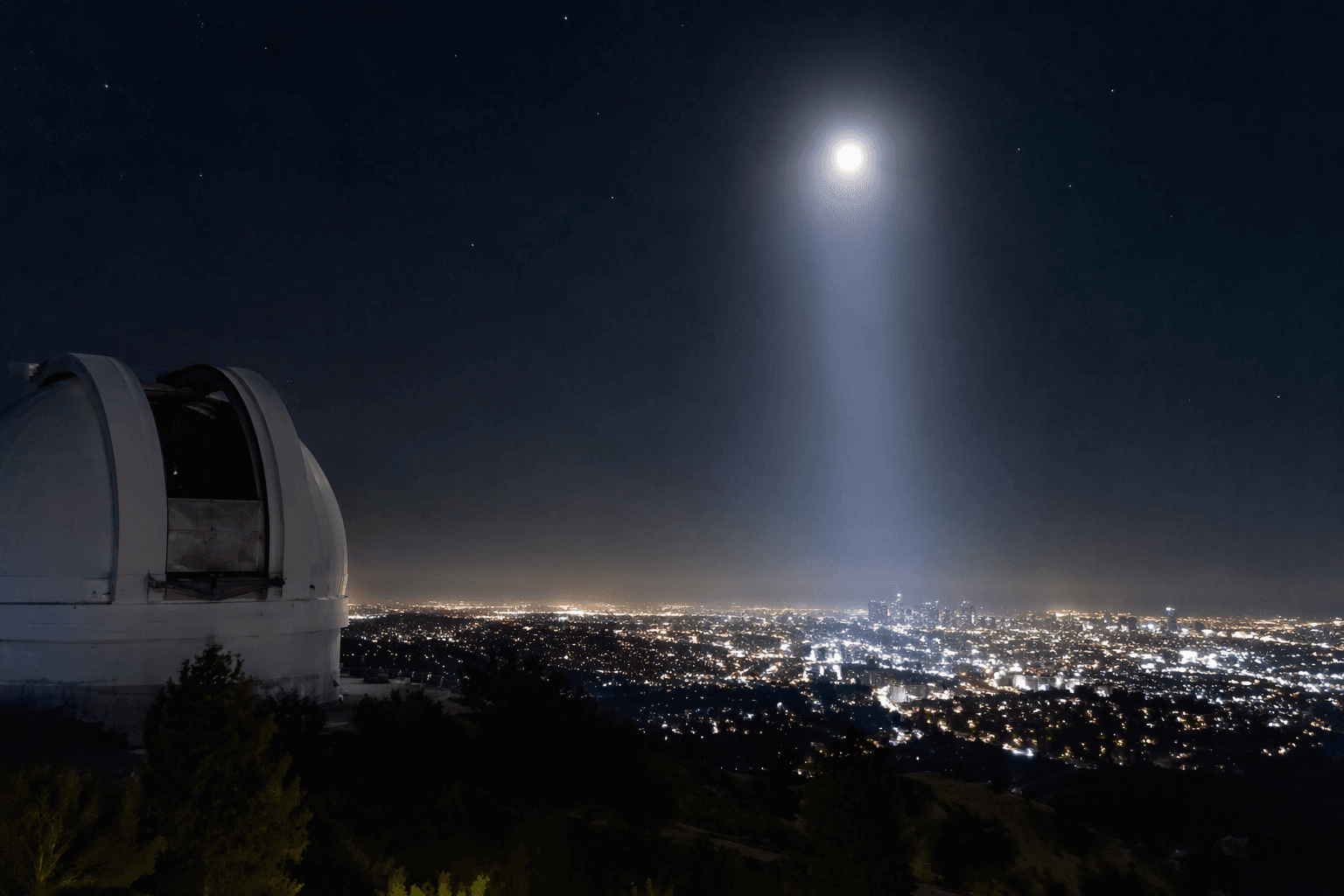
The test would use an 18-meter-by-18-meter thin-film reflector designed to create a circular patch of light about 5 kilometers, or roughly three miles, wide on the ground. Reporting on the filing says the reflected light would reach about 0.1 lux, a level comparable to full-moon brightness. Reflect Orbital has said the prototype could launch by the end of 2026.
The company has pitched the technology as a way to deliver sunlight on demand for solar farms, search and rescue operations, nighttime construction and outdoor events. Its longer-range vision is far larger: Reflect Orbital has described a constellation that could eventually reach as many as 50,000 mirrors by 2035, a scale that critics say would move the proposal from a limited experiment into a major change to the nighttime environment.
The FCC approval covers the satellite’s space and communications operations, but not the company’s broader concept for orbital daylight. That distinction has become central to the backlash. Nearly 2,000 public comments were filed on the application, and astronomers, environmental advocates and dark-sky groups warned that even a small test could set a precedent for commercial light beaming from space.
DarkSky International has opposed orbital illumination systems proposed by Reflect Orbital, calling them an unprecedented environmental intervention. The Royal Astronomical Society warned that the plan could permanently damage the night sky and affect astronomy, wildlife and human well-being. The European Southern Observatory said a full fleet of mirrors could make the night sky three to four times brighter, with beams visible across at least 5 kilometers on the ground.
That mix of technical promise and public risk is what now defines the project. The FCC has opened the door to a single satellite test, but the wider question is whether orbital daylight can be made safe, regulated and acceptable before a much larger constellation reaches for the night sky.
This article was produced by Prism’s automated news system from verified source data, official records, and press releases, then run through automated quality and moderation checks before publishing. The system is built and supervised by the people who set the standards it runs under. Read our full AI policy.
Did this article answer your question?