Philips Hue grows from smart bulbs into a connected home platform
Philips Hue won by making smart lighting reliable first, then broadening into a platform that works across ecosystems, not a novelty act.
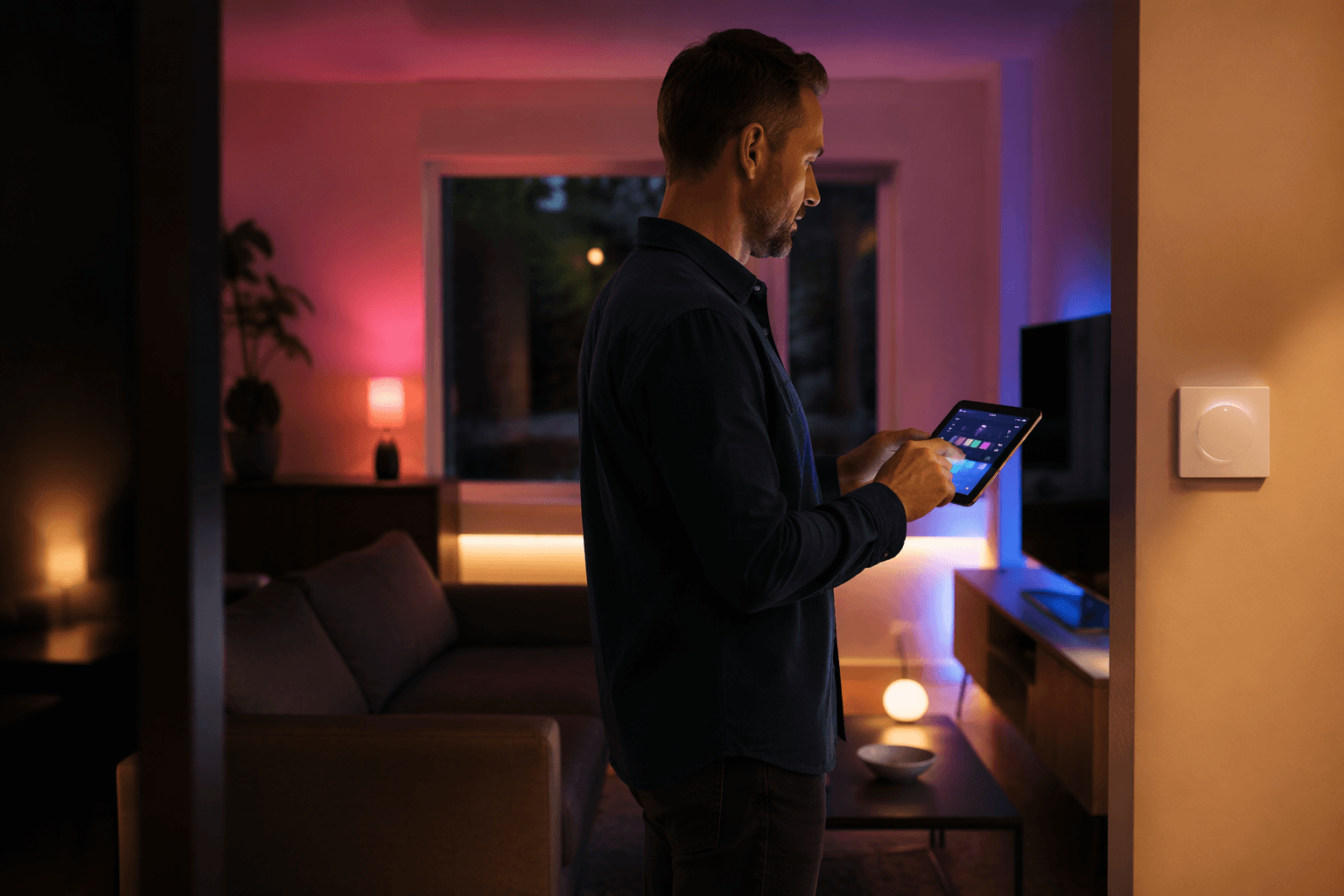
Philips Hue has lasted by making the invisible parts of smart home life feel ordinary. It launched on October 29, 2012, when Philips unveiled it as “the world’s smartest web-enabled LED home lighting system,” and Apple stores began selling it the next day. What started as an internal startup inside Philips, led by George Yianni and his team, became a case study in how a smart-home product can grow by solving daily friction instead of chasing spectacle.
From a bulb to a household system
The early pitch was simple and unusually consumer-first: lighting that could be controlled from a phone and shaped around the rhythms of a home. Philips later described the project as an internal startup built during the early wave of third-party smartphone apps, which mattered because it framed Hue as software-enabled household infrastructure rather than a niche gadget. Apple’s early retail support helped make the product feel like more than a commodity bulb, and Philips treated that moment as proof that Hue could scale well beyond a one-off launch.
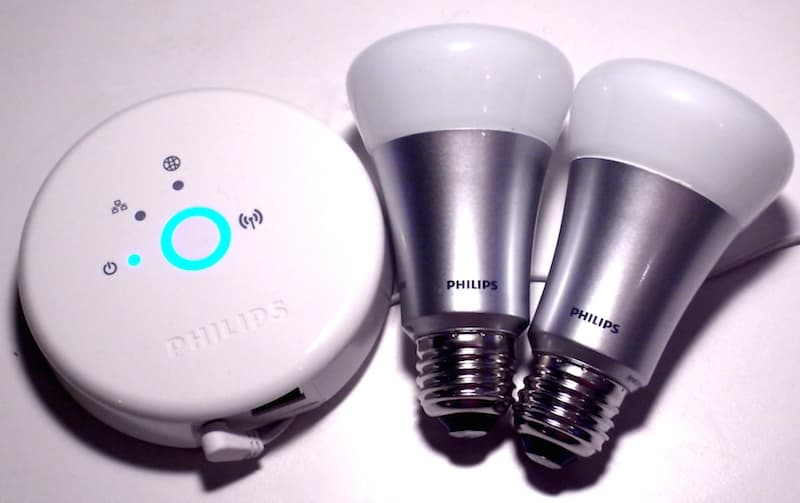
That trajectory is visible in the product line today. Hue now includes lights, accessories, security cameras, contact sensors, and video doorbells, with the Hue Bridge positioned as the hub that ties those devices together. The bridge supports up to 50 lights and 12 accessories, which gives the system enough room to cover a full apartment or house without making setup feel like a renovation project.
Why the bridge model worked
Hue’s biggest advantage has been consistency. Instead of asking users to stitch together unrelated devices from different brands, the system keeps a coherent core in the Hue Bridge and then adds devices around it. That design choice matters because the smart-home market has long been plagued by fragmentation, where devices connect unreliably or stop working cleanly when users change apps, assistants, or Wi-Fi setups.
Matter was built to address that exact problem. The Connectivity Standards Alliance says the standard is meant to provide reliable, secure, interoperable smart home connectivity, and Signify says the Hue Bridge and Bridge Pro support it. In May 2021, Signify said all existing and new Philips Hue lights and accessories would work with Matter through a software update to the Hue Bridge, a move that showed the company was willing to preserve older purchases while opening the platform to other ecosystems.
That approach helps explain why Hue looks less like a gadget brand and more like a durable home system. By building its own ecosystem first, then layering in wider compatibility, Hue avoided the trap of treating interoperability as an afterthought. By 2025, Signify was describing Hue as an early adopter of Matter, which signaled that the company now sees broad compatibility as a core feature, not a bolt-on promise.
Scale turned a niche product into a platform
The numbers show how far the brand has grown. In Signify’s 2024 annual report, the company said its installed base of connected light points increased from 124 million at the end of 2023 to 144 million at the end of 2024. That kind of scale gives Hue a different kind of credibility in the smart-home market, because it suggests not just sales momentum but a large installed base that can absorb new devices, software updates, and ecosystem changes.
Scale also matters because it lets Hue expand without confusing the main value proposition. A first-time buyer can still start with lighting, while a larger household can add bridges, cameras, sensors, and doorbells over time. The result is a platform that solves everyday household friction in stages, which is one reason it has remained more legible to mainstream users than many flashier connected-home brands.
Security became the next layer
Hue’s move into home security started to widen in January 2024, when Signify launched the Hue Secure starter kit, the Hue Secure floodlight camera, and new app features. That launch marked a clear shift from ambiance alone to a broader home-protection role, while keeping the same ecosystem structure that made the lighting products stick. The security products did not replace the lights; they extended the same app, bridge, and compatibility model into another part of the house.
The company pushed that direction further in January 2025 with AI-powered lighting and security features. Those additions included smoke alarm sound detection, along with expanded voice and app controls for Hue Secure. The details matter because they show Hue moving toward practical household assistance, where the system listens for a real emergency signal and responds through the same interface users already trust for lights and cameras.
What Philips Hue got right
Hue’s success is not based on novelty, but on reliability, simplicity, and long-term support. The brand has consistently made the home feel easier to manage without demanding that users rebuild their spaces around the technology. Its bridge-first design, early retail visibility, Matter support, and willingness to extend older devices through software updates all point to the same philosophy: a smart home should work across products, over time, and with as little friction as possible.
That is what competitors still miss most often. They tend to sell features before they earn trust, while Hue built trust first and then broadened the system around it. In a market still crowded with brittle integrations and short-lived products, Philips Hue stands out because it behaves less like a trend and more like infrastructure.
This article was produced by Prism’s automated news system from verified source data, official records, and press releases, then run through automated quality and moderation checks before publishing. The system is built and supervised by the people who set the standards it runs under. Read our full AI policy.
Did this article answer your question?