California tightens autonomous vehicle rules as Tesla expands Robotaxi tests
California’s new AV rules and SB 1246 put Tesla’s robotaxi push under a stricter safety test, as lawmakers weigh standards that could favor sensor-rich rivals.
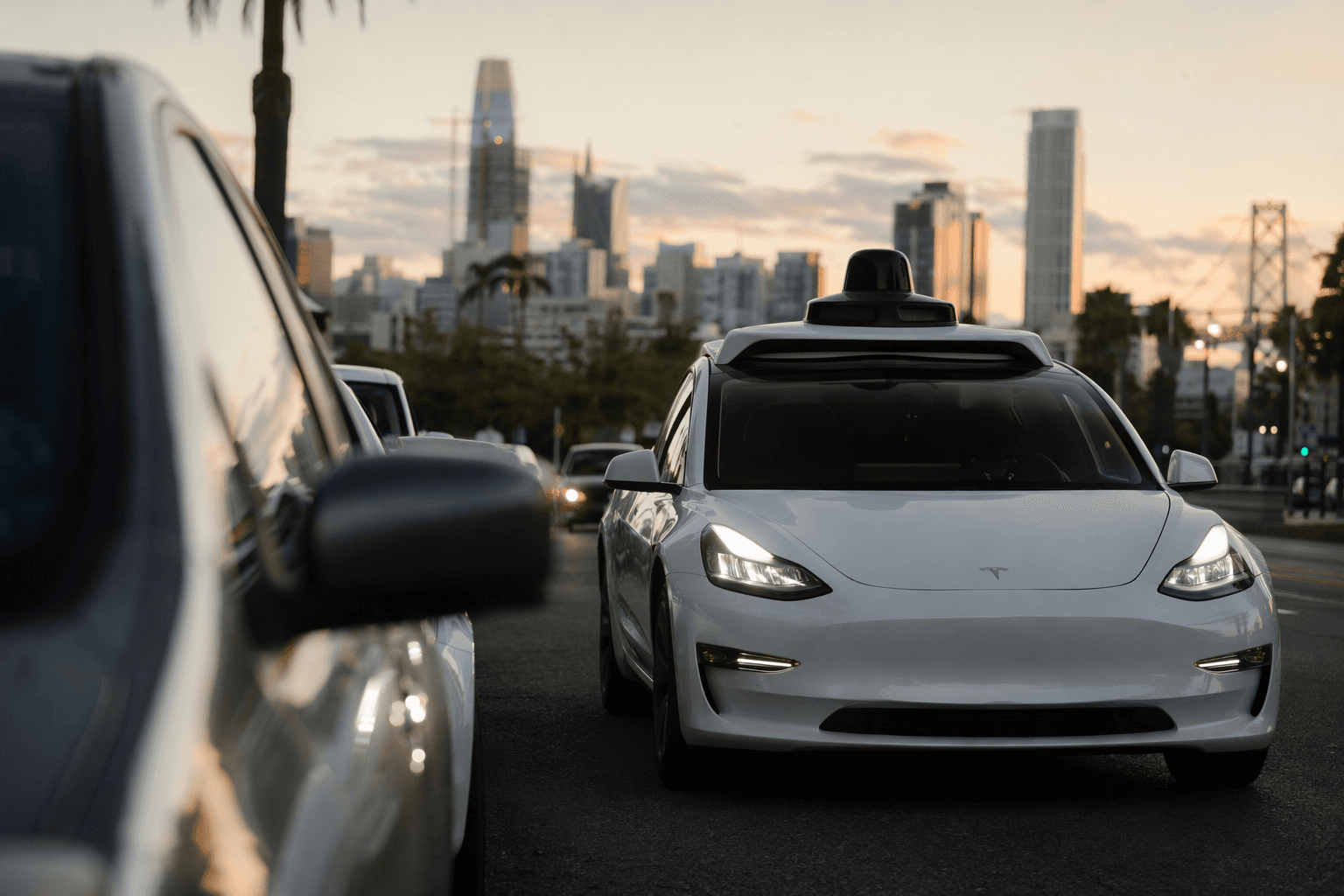
California’s autonomous-vehicle rules, adopted on April 28, 2026, pushed the state into a sharper fight over how driverless cars prove they are safe enough for public roads. Tesla, meanwhile, has been expanding Robotaxi operations, saying in its 2025 quarterly materials that it launched Robotaxi service, began installing production lines for Cybercab, and started unsupervised Robotaxi rides in Dallas and Houston in April 2026.
The clash now centers on more than one company. State Sen. Dave Cortese’s SB 1246 advanced through the Legislature in 2026 as an autonomous-vehicle accountability bill aimed at remote assistants, drivers, local incident technicians, emergency response procedures, manual override systems and data management. Committee analyses said the measure would impose specified civil penalties for violations and add new requirements for commercial autonomous vehicles and manufacturers. Cortese said the DMV’s new regulations reinforced why he introduced the bill because “innovation without accountability” could not be tolerated when public safety was at stake.
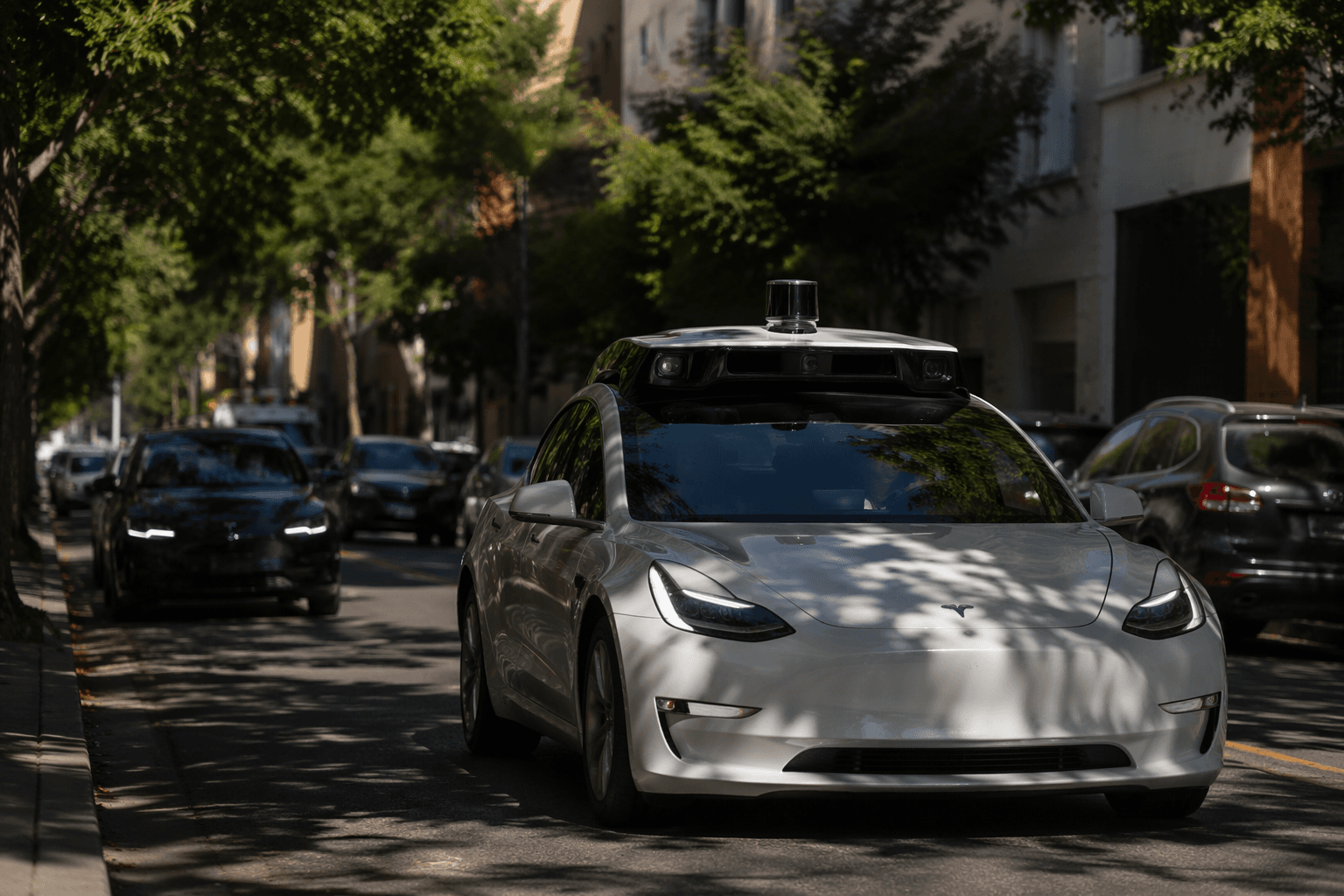
The California Department of Motor Vehicles has already shown it is willing to press Tesla. On December 16, 2025, the agency said Tesla violated state law by misleadingly using the terms “Autopilot” and “Full Self-Driving Capability” in marketing. In February 2026, the DMV said Tesla took corrective action to avoid a suspension.
The numbers now driving the debate are large. California AV permit holders logged more than 9 million test miles on public roads from December 1, 2024, through November 30, 2025, according to DMV data released on February 20, 2026. A June 2026 committee analysis cited research finding that 58% of AV crashes reported to the DMV from 2018 to 2022 were rear-end collisions, a reminder that the most common failures may be in ordinary traffic, not edge cases.
The bigger policy question is whether California will accept proof of safety that relies heavily on software and cameras, or whether it will demand more redundancy in the form of lidar and radar. That distinction matters because rules built around overlapping sensors would favor companies with hardware-heavy systems, while Tesla has bet on a camera-first approach.
Waymo, Tesla’s chief AV rival, said in June 2026 that its latest safety analysis covered more than 220 million fully autonomous miles through the end of March 2026 and that its driver had been involved in 94% fewer crashes causing serious or fatal injuries than human drivers in the same conditions. In Sacramento, lawmakers are now deciding whether California will remain a fast lane for robotaxis or become the country’s hardest market for companies that cannot meet a stricter safety standard.
This article was produced by Prism’s automated news system from verified source data, official records, and press releases, then run through automated quality and moderation checks before publishing. The system is built and supervised by the people who set the standards it runs under. Read our full AI policy.
Did this article answer your question?