Farage faces Count Binface in Clacton by-election as majors bow out
Farage’s Clacton gamble set up a by-election against Count Binface after the main parties stood aside. The result will test Reform UK beyond protest energy.
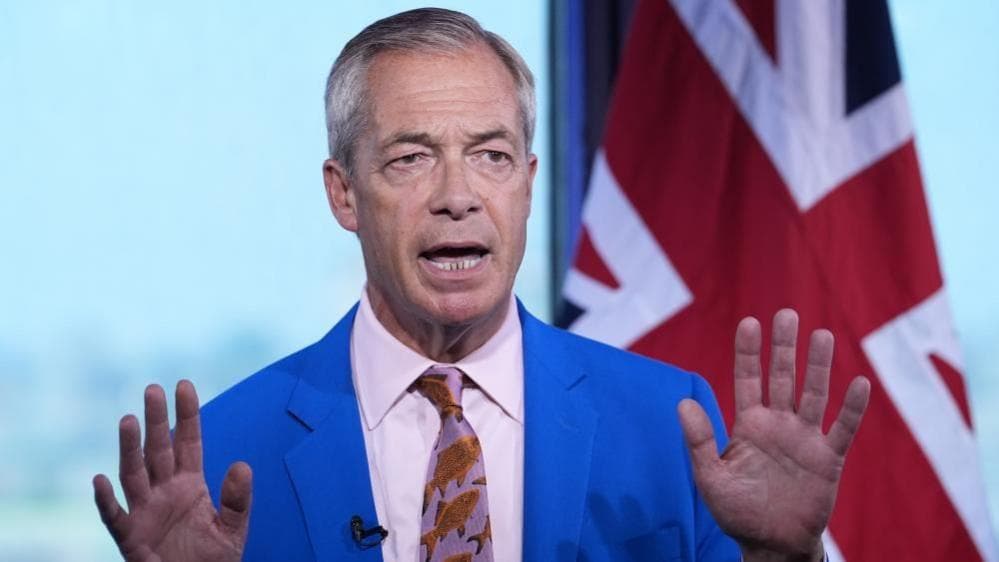
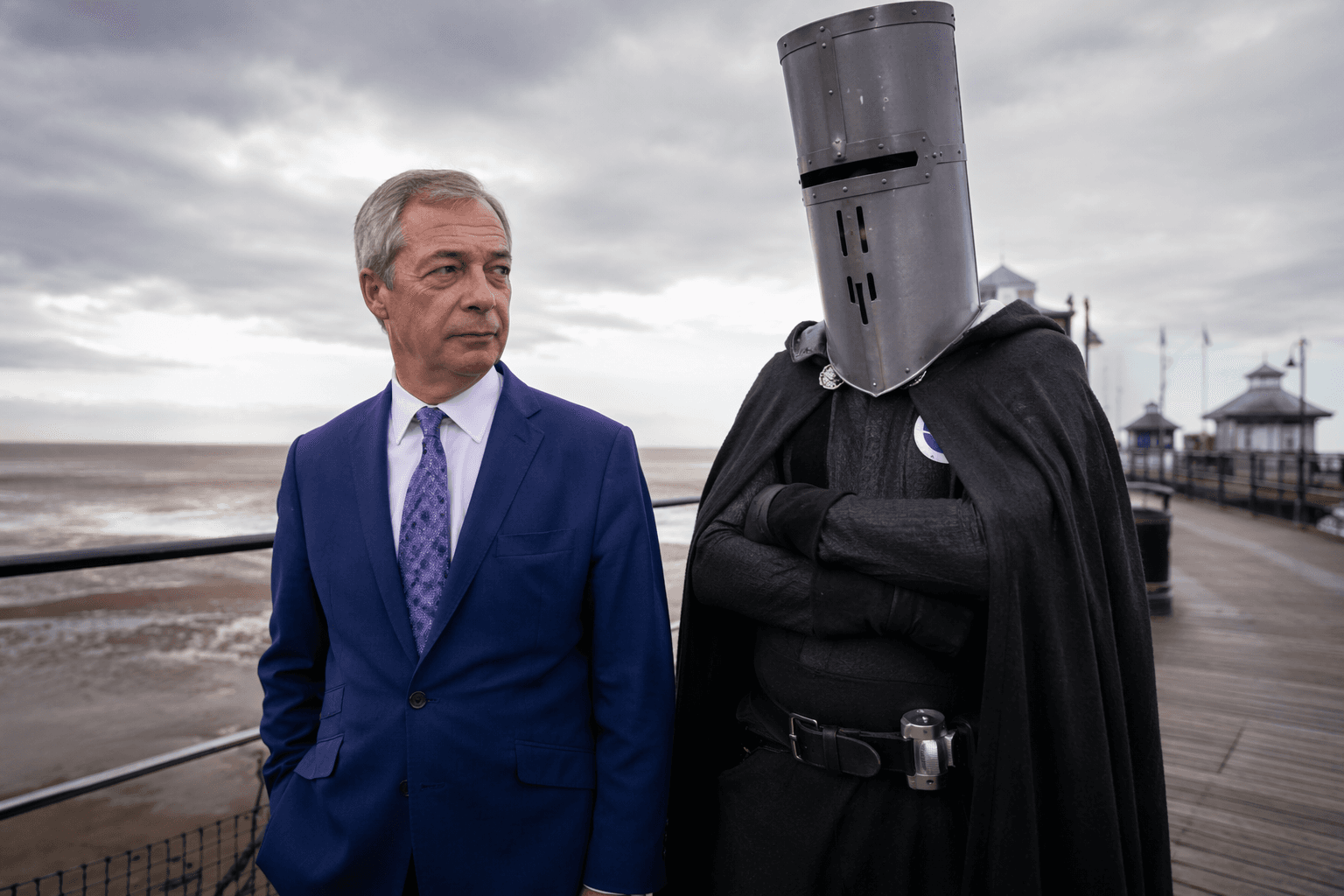
Nigel Farage resigned as MP for Clacton on 7 July 2026 and said he would fight the by-election, turning the Essex seat into a test of whether Reform UK can convert attention into durable support. Count Binface has declared against him, while the Labour Party, Conservatives, Liberal Democrats and Greens have all said they will not stand candidates.
That noncompetition matters as much as the candidate list. With the biggest parties absent, the contest is shaping up less like a standard parliamentary fight and more like a stripped-back referendum on Farage’s personal brand, Reform UK’s organisation on the ground, and whether the party can hold voters when the usual anti-Farage tactical choices are removed.
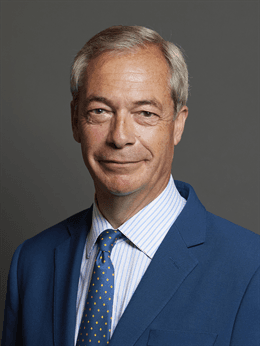
Farage framed the contest as a “people versus the establishment” battle, but the circumstances around his resignation have kept the focus on accountability rather than rhetoric. He has faced scrutiny over an unregistered £5 million gift from Reform donor Christopher Harborne, along with reports of other undeclared support. The parliamentary standards inquiry was paused during the by-election period, but it could resume if Farage is re-elected.
Clacton was the prize Farage took at the 4 July 2024 general election, when he won 21,225 votes, or 46.2% of the valid vote, and defeated the Conservatives by 8,405. Turnout was 58.7% from an electorate of 78,245, a reminder that the seat was already won on a mobilised base rather than overwhelming mass participation. That makes the next result a cleaner test of whether Reform’s support can deepen beyond a protest surge.

Under parliamentary rules, a by-election is triggered when a House of Commons seat becomes vacant between general elections. Conventionally, the writ is moved within about three months of the vacancy, and polling day follows 21 to 27 working days later. Nominations can be accepted from the day after the notice of election is published.
Alongside Count Binface, smaller parties have indicated they may stand, including Reclaim, the Rejoin EU Party and the Monster Raving Loony Party. But with Labour, the Conservatives, the Liberal Democrats and the Greens out, the likely field leaves Farage facing a highly unusual contest in which the real measure may be turnout, not just victory. A strong win would confirm his hold on Clacton; a weak showing would suggest Reform still depends heavily on media attention, not an entrenched local machine.
This article was produced by Prism’s automated news system from verified source data, official records, and press releases, then run through automated quality and moderation checks before publishing. The system is built and supervised by the people who set the standards it runs under. Read our full AI policy.
Did this article answer your question?