Calocane’s mother says she warned son posed risk before Nottingham killings
Celeste Calocane told the inquiry she wanted her son hospitalised for psychosis in May 2020, years before the Nottingham killings.
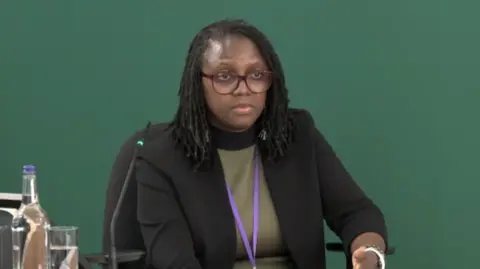
Celeste Calocane told the Nottingham Inquiry she believed her son posed a risk to others years before Valdo Calocane stabbed three people to death in Nottingham city centre on 13 June 2023. Her evidence has sharpened the inquiry’s focus on whether mental health services, police response and risk assessments missed clear warnings that should have triggered stronger intervention.
Valdo Calocane killed Barnaby Webber and Grace O’Malley-Kumar, both 19, and Ian Coates, 65, and seriously injured three other people. The statutory public inquiry, chaired by Her Honour Deborah Taylor, is examining how his risk to others was managed before the attacks, what happened in the emergency response, and whether public servants improperly accessed information.
Celeste Calocane told the inquiry she wanted her son treated in hospital for psychosis as early as May 2020. Evidence heard by the inquiry indicates she believed he was dangerous long before the killings, raising the central question of why that warning did not lead to a more robust response. The inquiry has also heard that his first serious violent episode in this period came on 24 May 2020, when he was arrested after trying to break into a neighbour’s apartment.
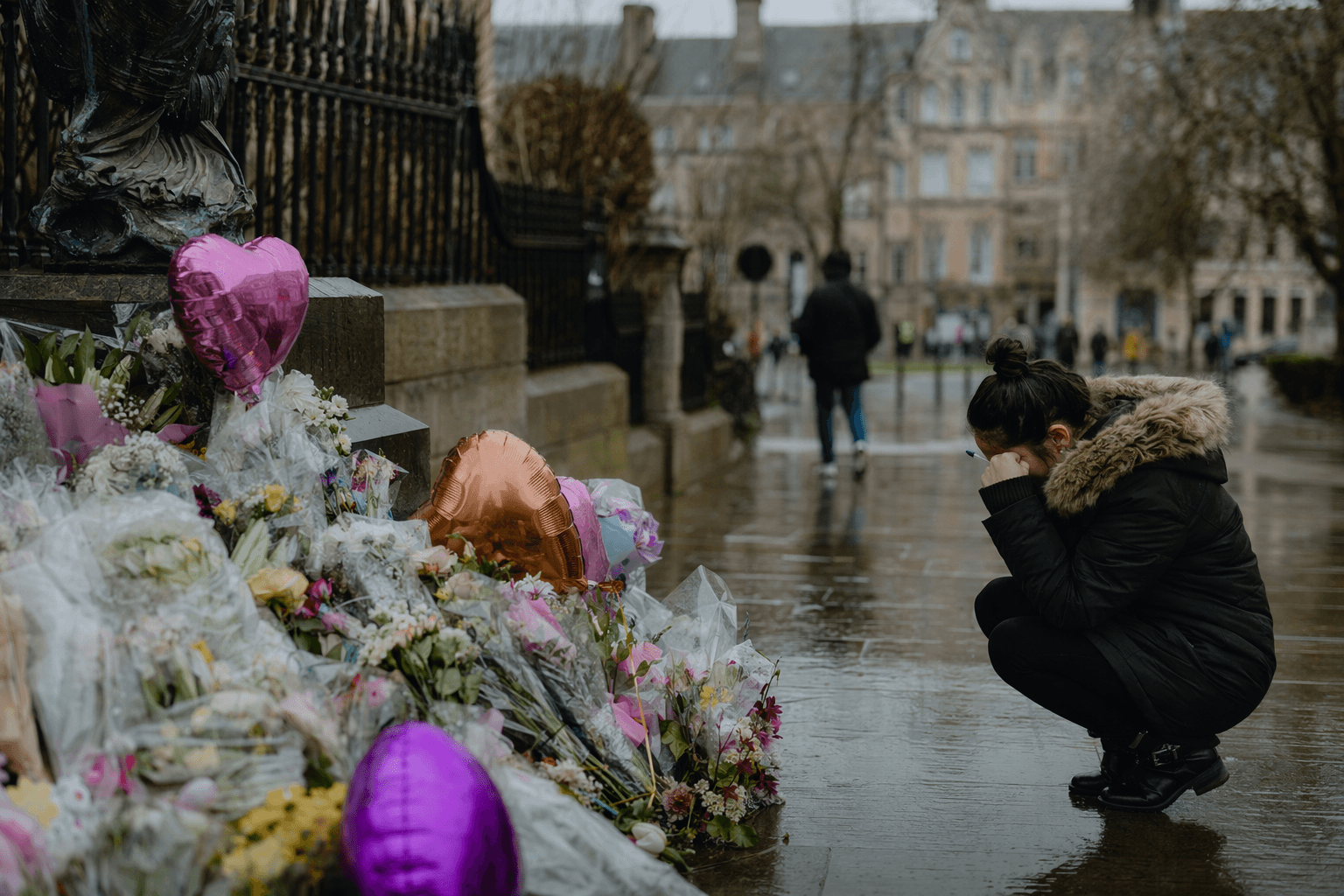
The pattern did not end there. The inquiry has heard of further violent incidents in July 2020 and September 2021, while earlier evidence said Calocane had been under the care of Nottinghamshire Healthcare NHS Foundation Trust for two years before the killings. That timeline has placed scrutiny on the way clinicians, police and other agencies shared information, and whether anyone held a full enough picture of the risk he presented.
The failures may prove as important as the chronology. Earlier evidence to the inquiry said risk assessment forms completed for Calocane were “fundamentally wrong” and failed to accurately record his violence and risk history. A consultant psychiatrist had also warned he would “end up killing someone”. Those statements point to a system that had signals, but did not convert them into decisive action.
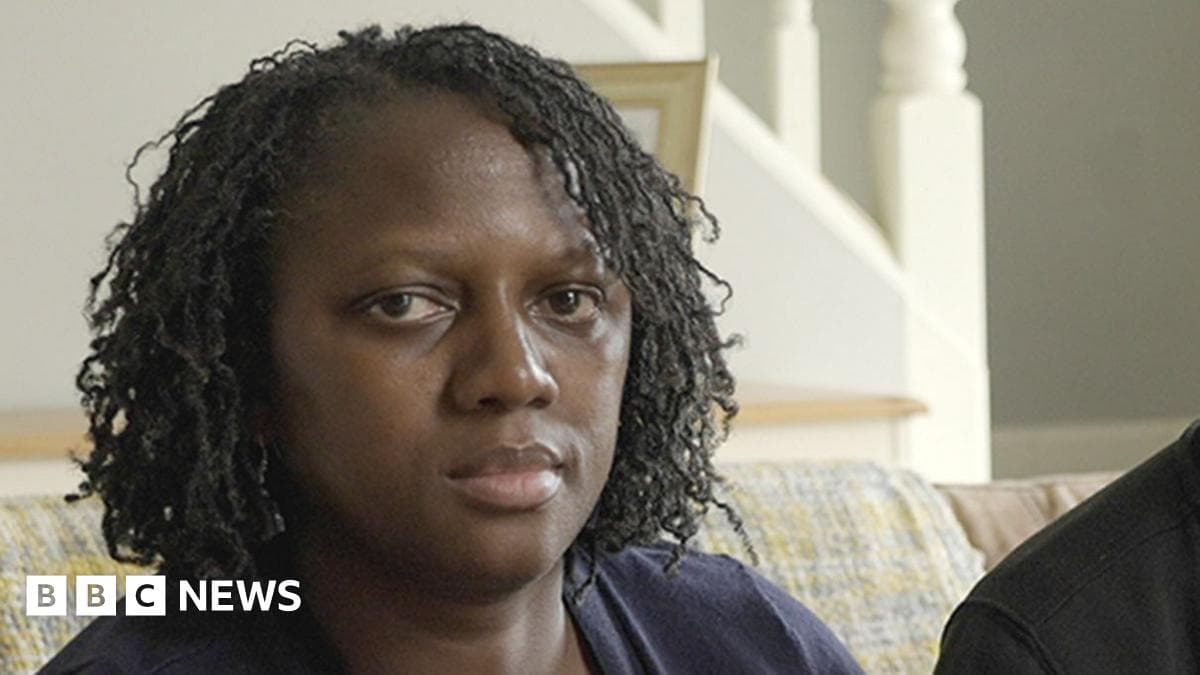
The Nottingham Inquiry was announced on 22 April 2025, its Terms of Reference were laid on 22 May 2025, and public hearings began on 23 February 2026. It is hearing from more than 100 witnesses and is expected to produce findings that could force changes in how mental health risk is recorded, how police and hospitals share concerns, and how families’ warnings are handled before violence reaches the threshold of catastrophe.
This article was produced by Prism’s automated news system from verified source data, official records, and press releases, then run through automated quality and moderation checks before publishing. The system is built and supervised by the people who set the standards it runs under. Read our full AI policy.
Did this article answer your question?


