Southern Somalia faces famine risk as malnutrition surges in Burhakaba
Burhakaba reached an extreme malnutrition level as Somalia’s hunger crisis deepened, with millions more facing crisis food insecurity and aid still falling short.

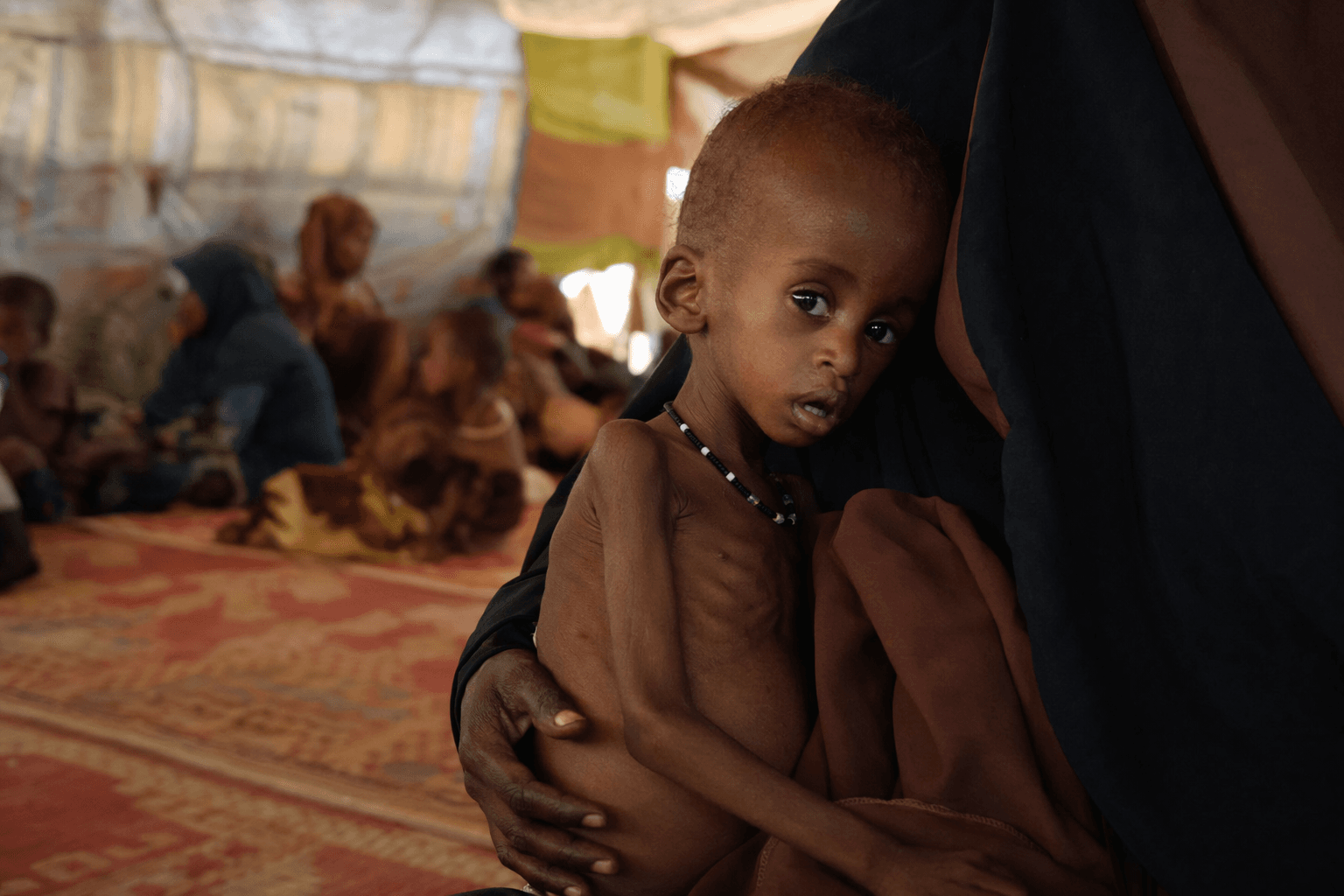
Southern Somalia has again moved within reach of famine, and Burhakaba District is now the sharpest warning sign. The Bay Region district reached IPC AMN Phase 5, described as Extremely Critical, as nearly 40% of children under five were already acutely malnourished and aid was still not reaching enough families to stop a collapse.
The alarm carried unusual weight because Somalia has seen this pattern before. The country has not experienced famine since the 2011 catastrophe, when the United Nations declared famine in the south on July 20, 2011, after a drought that killed about 250,000 people. In 2022, famine was also projected for Burhakaba and Baidoa before a major humanitarian surge helped avert it. The new warning showed how close the country remained to repeating that history.
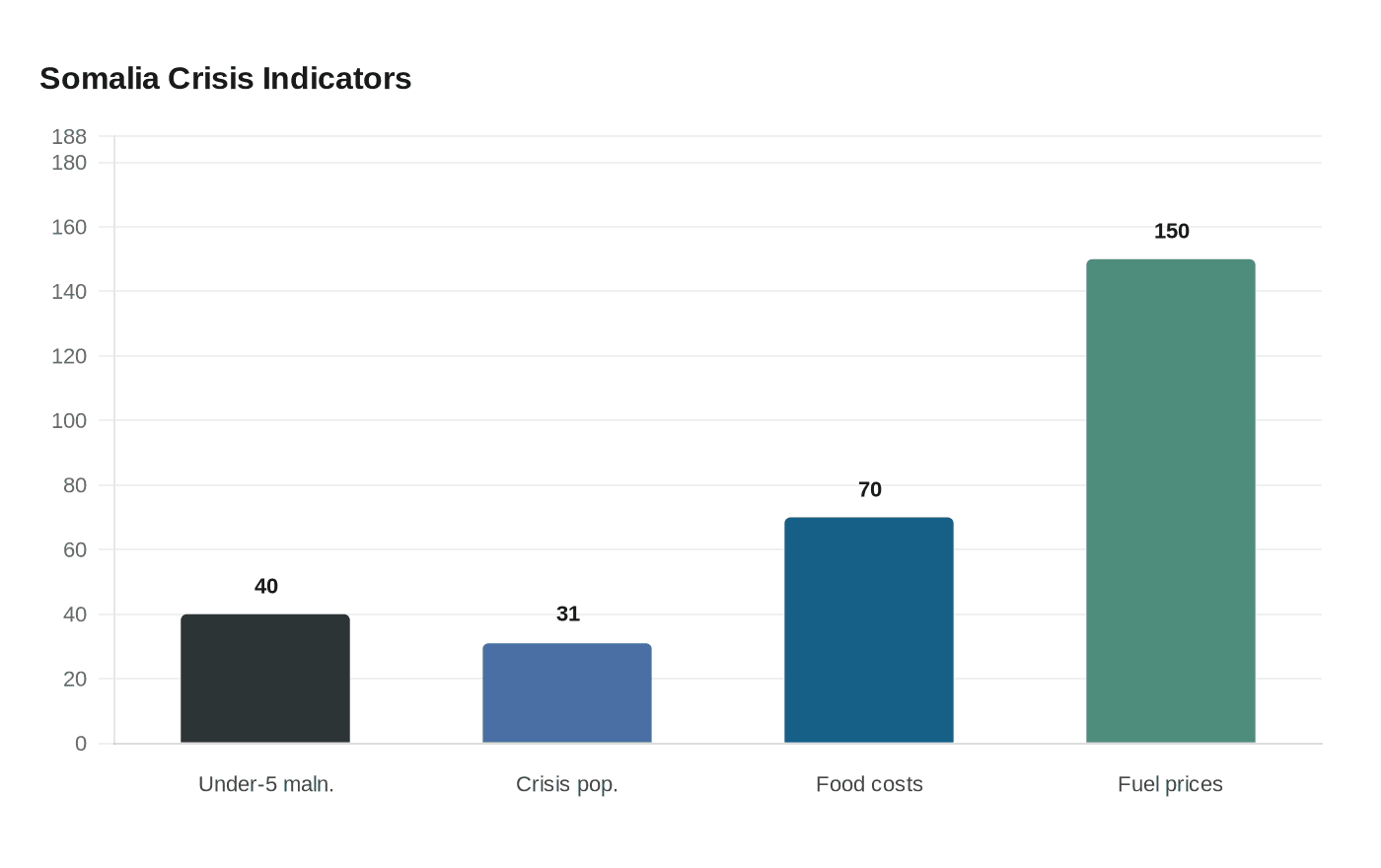
The latest deterioration was driven by a punishing mix of failed rainy seasons, insecurity, conflict spillovers from the Middle East, funding cuts and rising prices. Food costs climbed by as much as 70% in some areas and fuel prices rose 150%, squeezing households and making deliveries more expensive. The FAO, OCHA, UNICEF and WFP said 6 million people, or 31% of Somalia’s population, were expected to face crisis or worse food insecurity between April and June 2026, including close to 1.9 million in Emergency, a figure that had tripled in less than a year.
The same agencies said nearly 1.9 million children were affected by acute malnutrition, including 493,000 with severe acute malnutrition, while more than 500 health and nutrition facilities had closed because of funding shortages. Somalia’s acute malnutrition outlook also worsened for the year ahead: nearly 1.88 million children were expected to need treatment in 2026, 42,000 more than earlier projected. In an interview tied to the warning, Hannah Button of FEWS NET said, “If the harvest fails, Famine could rapidly emerge” in Bay, Bakool and Gedo.
The crisis also exposed the public-health costs of shrinking aid. WFP was reaching only one in 10 people who needed food assistance, and measles cases doubled in January through March 2026 compared with the same period a year earlier. The agencies said what was needed now was a rapid scale-up of food security, nutrition, health and water and sanitation support, especially in Burhakaba, where the warning was no longer abstract but immediate. Without stronger donor funding, government access and faster relief delivery, Somalia risked sliding back into the kind of preventable catastrophe the world had already seen.
This article was produced by Prism’s automated news system from verified source data, official records, and press releases, then run through automated quality and moderation checks before publishing. The system is built and supervised by the people who set the standards it runs under. Read our full AI policy.
Did this article answer your question?


