Caltech’s Deep Synoptic Array clears final review for Nevada construction
Caltech's 1,650-dish radio array cleared its final design review, setting up a Nevada build that could spot a billion cosmic sources in five years.
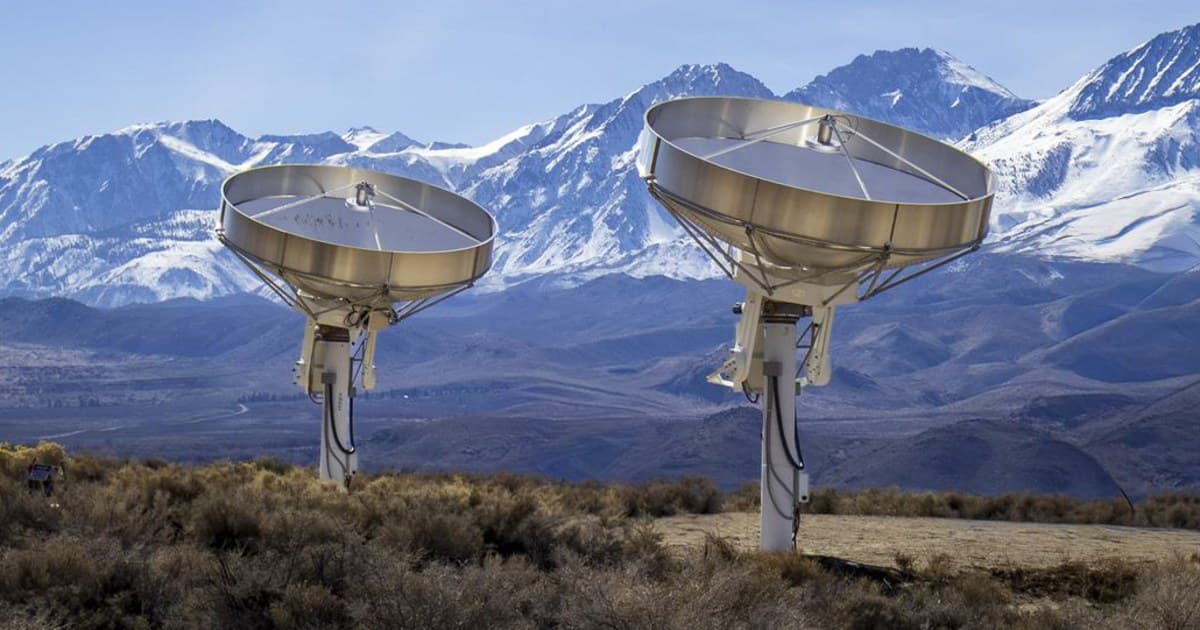
A Caltech-led radio telescope project cleared its final design review, putting a 1,650-dish array on track for construction in a remote Nevada valley and giving U.S. astronomy a potential new flaghip at a time when big science has to compete harder for public money.
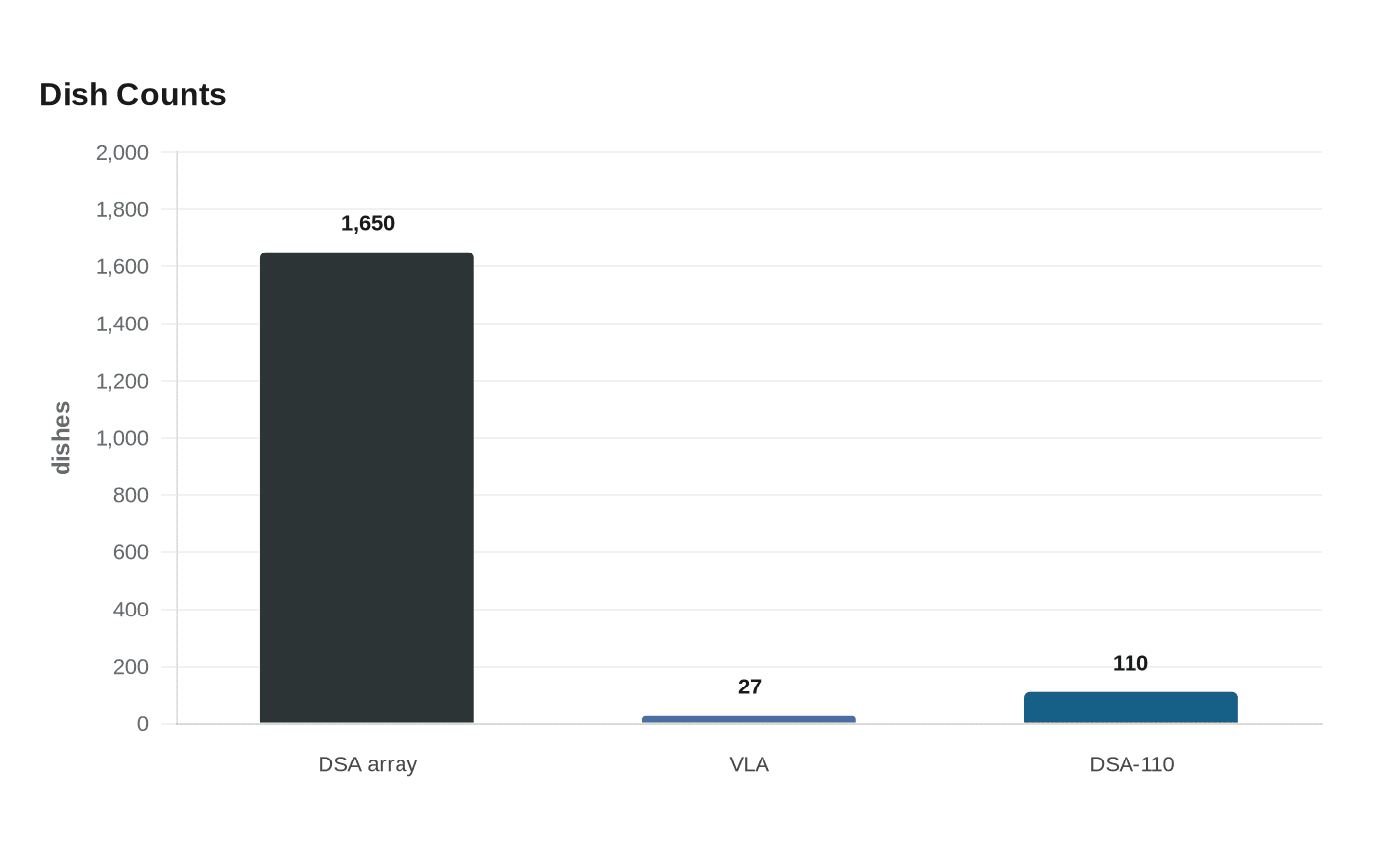
The Deep Synoptic Array, once known as DSA-2000, has backing from Schmidt Sciences, which greenlit funding in January 2026. Caltech said the review was completed on June 11, and the project is now moving toward a buildout planned through 2029, with science operations expected soon after. The array is designed to cover about 20 by 16 kilometers with slightly more than 6-meter antennas, a scale that would dwarf the 27-dish Very Large Array in New Mexico and make Nevada a major node in the nation's radio astronomy capacity.
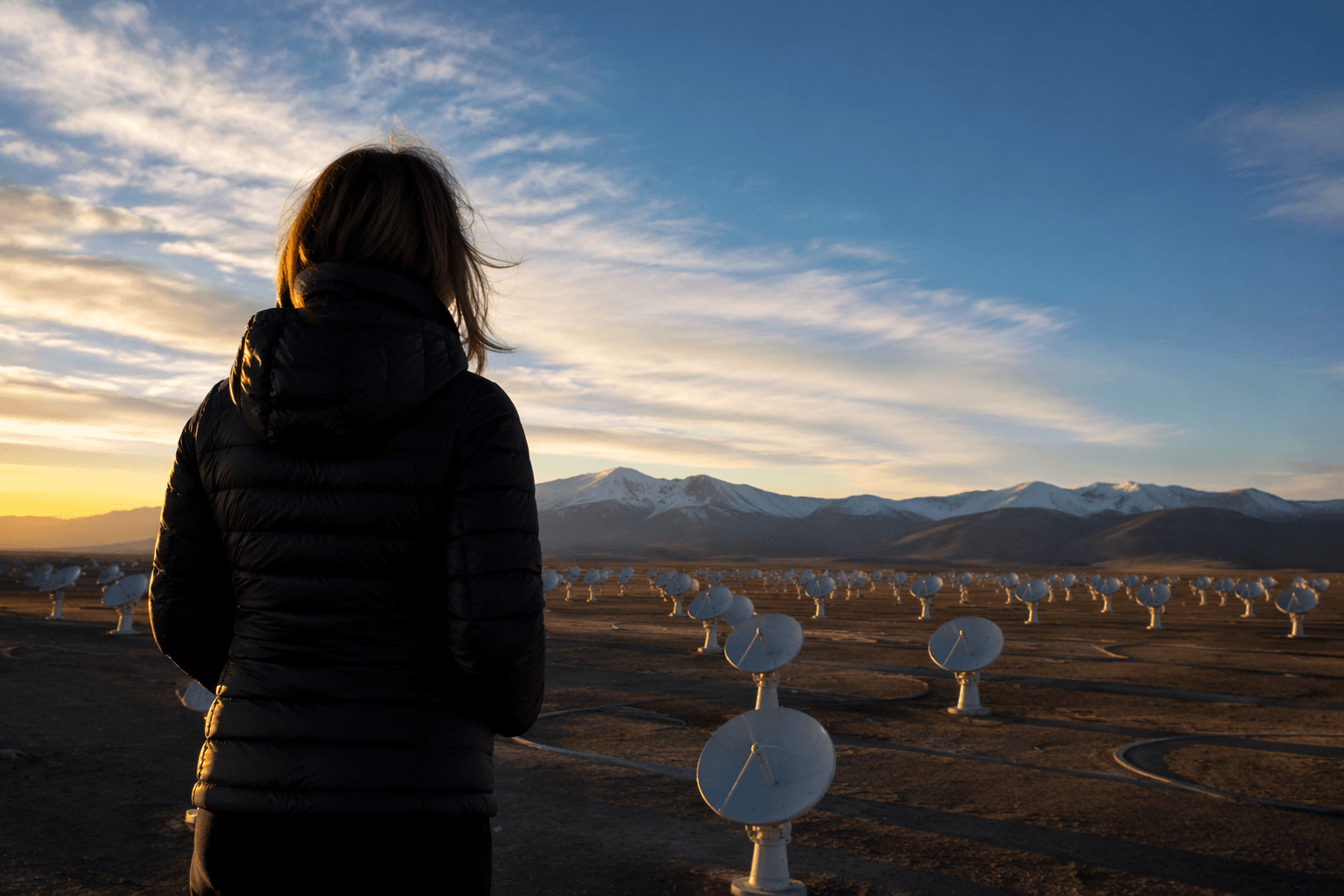
The scientific ambition is equally large. Over its first five-year survey, the DSA is intended to image the entire visible sky repeatedly, detect more than 1 billion radio sources and do it about 100 times faster than other radio telescopes worldwide. Gregg Hallinan, the project’s principal investigator and director of Caltech’s Owens Valley Radio Observatory, said the array should match the roughly 20 million radio sources found by all other radio telescopes combined on its first day of operations. That pace matters for U.S. research leadership because discovery speed increasingly determines which observatories set the agenda for the next decade of astrophysics.
The project is designed to help answer questions about black holes, pulsars and fast radio bursts, and to serve as a radio companion to surveys such as the Vera C. Rubin Observatory. Vikram Ravi, the project’s co-principal investigator, has described the effort as moving radio astronomy from “sketch to photograph.” The system is also being built to generate transient alerts and science-ready data products in real time, a feature that could make it useful well beyond the core team and help push data to the wider astronomical community faster than older observatories can.
The Nevada site is being framed as radio quiet and low-impact. Project materials say the team is working with environmental experts to survey natural resources and place antennas to reduce harm to the local ecosystem. Earlier reporting put the projected cost at about $200 million and identified Spring Valley, Nevada, about an hour from Ely, as a possible location. However the current plan is broader in public description, centering on a remote valley in Nevada. For Caltech, the array extends a lineage that includes the 110-dish DSA-110 and the Owens Valley Long Wavelength Array, while also making a case that large-scale science infrastructure can still win support in an era of tighter budgets and sharper scrutiny.
This article was produced by Prism’s automated news system from verified source data, official records, and press releases, then run through automated quality and moderation checks before publishing. The system is built and supervised by the people who set the standards it runs under. Read our full AI policy.
Know something we missed? Have a correction or additional information?
Submit a Tip