Roomba turns 23 as iRobot marks a robot vacuum milestone
Roomba sold the idea of a home robot to ordinary households, then sold one million units in just over two years. Its success made domestic automation feel normal.
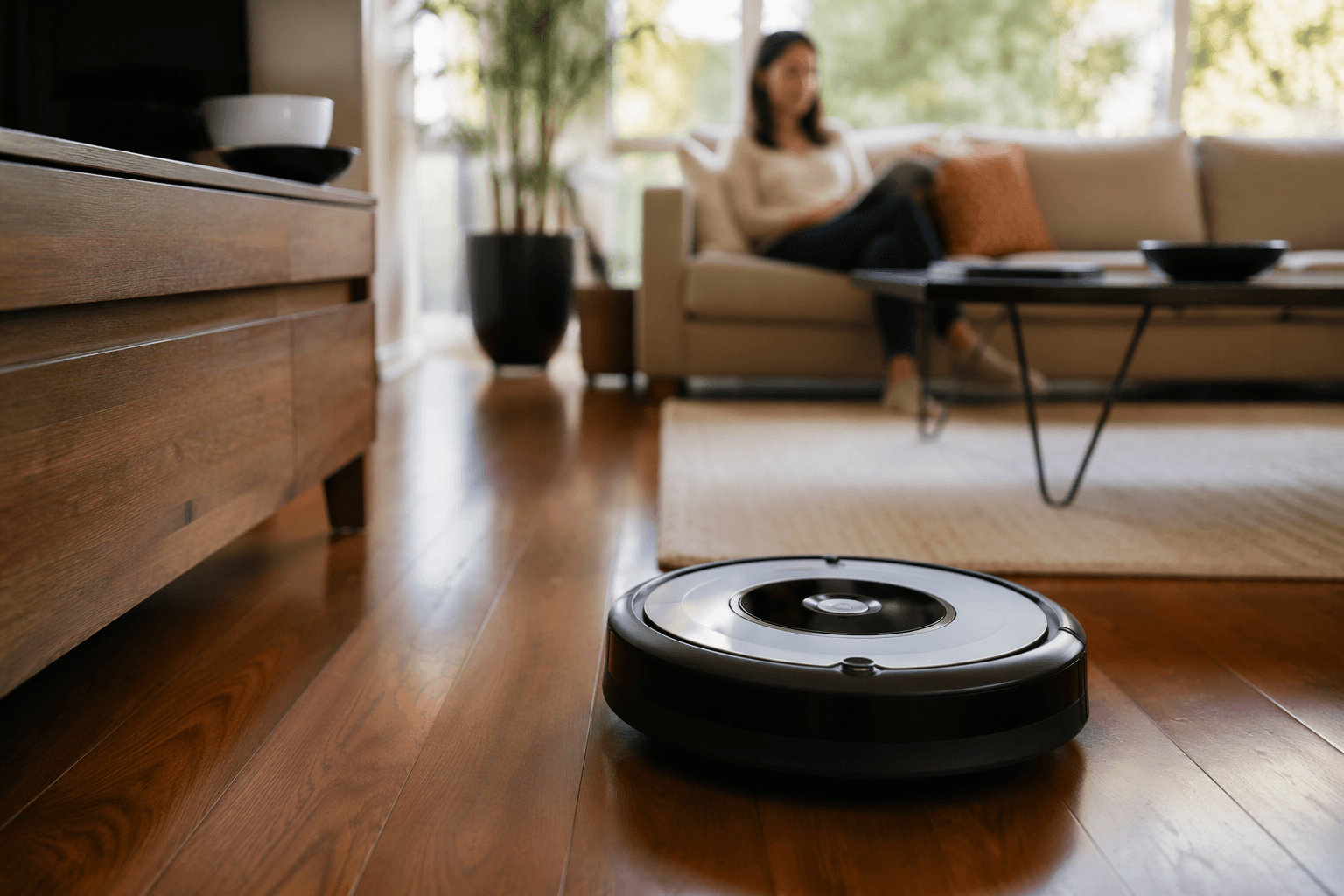
Roomba helped turn robot vacuums from novelty into a household expectation. When iRobot introduced the Roomba Intelligent FloorVac on Sept. 18, 2002, it cost $199.95, ran on a battery, and moved through rooms with simple sensors and computer processing, bumping around until its battery died or its small tank filled.
That early machine was not elegant, but it was persuasive. iRobot sold it through Brookstone, The Sharper Image, Hammacher Schlemmer and directly from its own channels, giving consumers a new kind of appliance that promised to handle a routine chore on its own. The Smithsonian National Museum of American History later described the first-generation Roomba as a widely successful domestic robot and said it was on the market beginning in 2002.
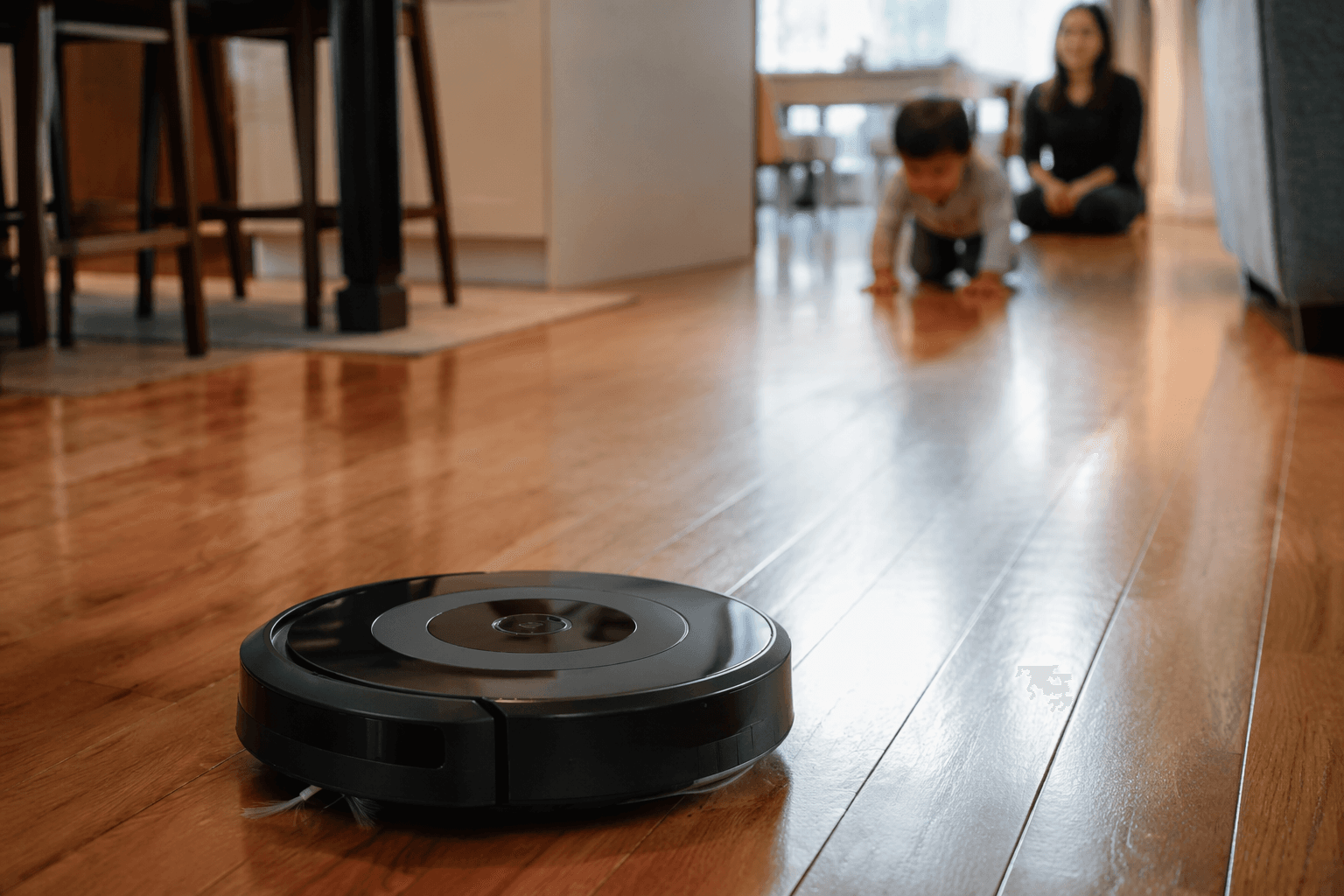
Roomba also marked a pivot for iRobot itself. The company was founded in Burlington, Massachusetts, in 1990 by MIT roboticists Colin Angle, Helen Greiner and Rodney Brooks, and its early work centered on military and other robotics. By launching Roomba, iRobot moved that expertise into the home, where affordability mattered as much as engineering. The company’s history identifies 2002 as the year it launched the floor vacuuming robot, and The Robot Report said iRobot sold one million Roombas in just over two years after launch.
That commercial hit mattered far beyond floor care. Roomba showed investors and product designers that a robot did not need to be humanoid, expensive or futuristic to win buyers. It could be a useful appliance, priced for the mass market, with enough autonomy to make a mundane job feel newly modern. Later versions added more advanced navigation, docking and smart features, but the original model’s breakthrough was behavioral as much as technical: it trained consumers to accept a machine doing a repetitive domestic task without much supervision.
Roomba was not the first robot vacuum ever made. Electrolux’s Trilobite preceded it in 1996, which makes Roomba an early mass-market success rather than the first of its kind. Even so, Roomba’s legacy is the standard it set. It normalized the idea that a home could include a robot, and it exposed the gap between the promise of domestic automation and its limits. The robot-home future arrived first as a noisy, bumping floor cleaner, and that was enough to change what buyers expected next.
This article was produced by Prism’s automated news system from verified source data, official records, and press releases, then run through automated quality and moderation checks before publishing. The system is built and supervised by the people who set the standards it runs under. Read our full AI policy.
Know something we missed? Have a correction or additional information?
Submit a Tip