Cambodia launches UN-backed maritime dispute process against Thailand
Cambodia triggered a rare UN conciliation process over a 26,000-square-kilometer maritime dispute with Thailand, putting offshore energy, fishing grounds and sovereignty on the line.

Cambodia formally notified the United Nations and Thailand that it had launched compulsory conciliation under international law to settle their maritime boundary dispute, a move that shifted the fight from bilateral politics into a UN-backed legal forum with no binding power but real diplomatic weight.
Prime Minister Hun Manet said the step was meant to protect Cambodia’s sovereignty and maritime rights after Thailand moved to end a 2001 memorandum of understanding that had framed talks over overlapping claims in the Gulf of Thailand. Thailand’s cabinet approved termination of the pact on April 23, 2026, and the government formally approved it on May 5. The agreement, widely known as MoU 44, had provided a framework for negotiations over the continental shelf and possible joint offshore energy exploration.
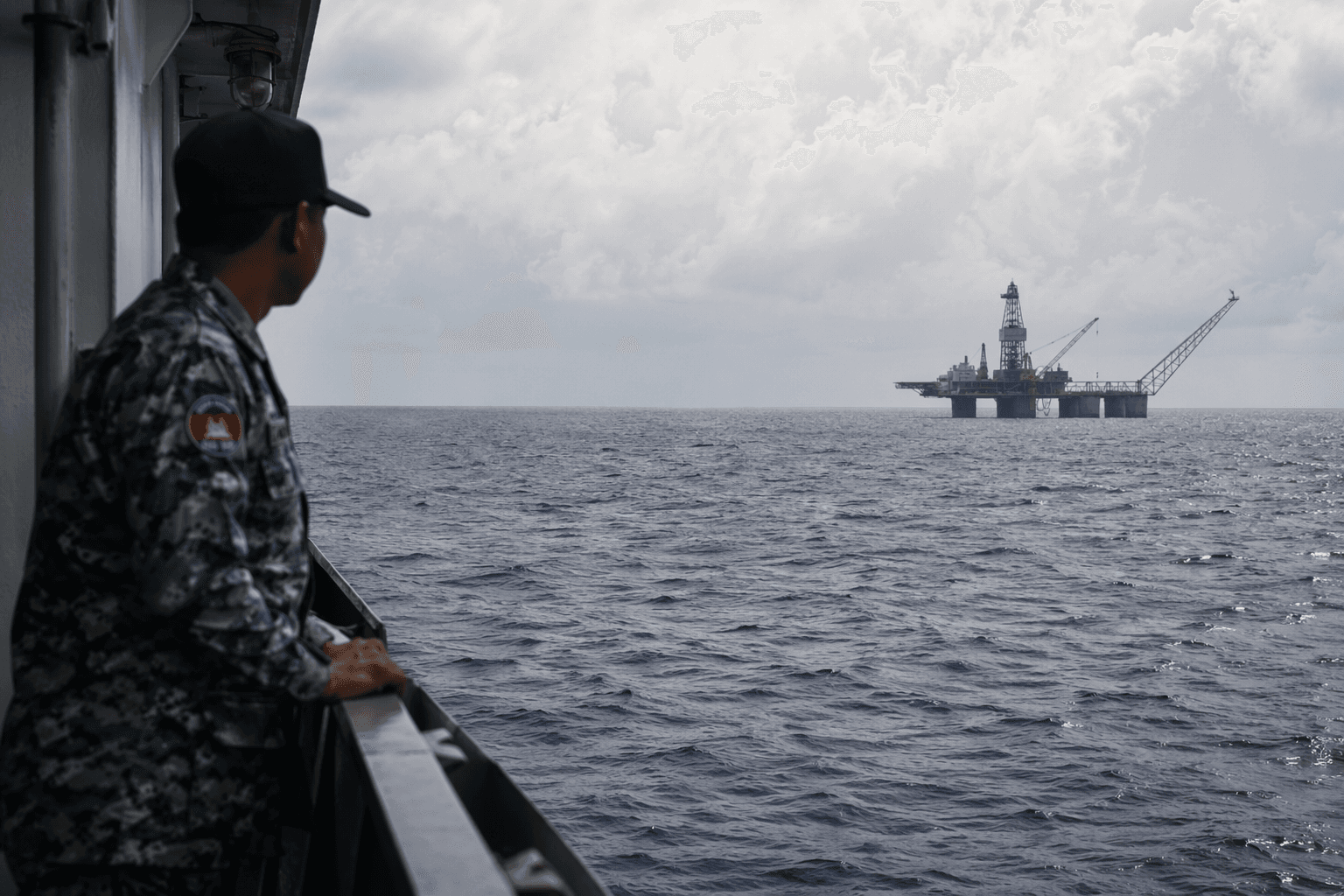
The disputed offshore area has been described as roughly 26,000 square kilometers, a tract tied to fishing access, shipping lanes and potential hydrocarbon reserves. Thailand’s energy ministry has estimated the area’s oil and gas potential at about US$300 billion, making the dispute far more than a technical question of maritime law. For both governments, control over the waters also carries political value: Cambodia has cast the case as a defense of national rights, while Thailand’s retreat from the 2001 deal reflected a campaign pledge by Prime Minister Anutin Charnvirakul and a political climate shaped by nationalist sentiment.
Under the United Nations Convention on the Law of the Sea, the conciliation process allows a panel of independent experts to review the dispute and recommend a path forward, but it cannot impose a settlement. The commission generally has five members. That limits the mechanism’s legal force, yet it gives Cambodia a formal international venue and creates pressure on Thailand to respond inside a rules-based process rather than simply hardening its position.
The timing matters because the maritime row sits atop a much wider rupture in relations. Cambodia and Thailand’s ties deteriorated sharply after deadly border clashes in 2025, including a major confrontation on July 24, 2025. The World Health Organization said tensions escalated in May 2025 after a fatal clash and worsened after July landmine incidents, underscoring how quickly a border dispute can spill from diplomacy into violence.
The conciliation track is unusual. The best-known precedent under UNCLOS came in the Timor Sea, where Timor-Leste and Australia entered compulsory conciliation in 2016 and reached a settlement treaty in 2018. Legal scholars have described Cambodia’s case as only the second such proceeding under the convention, which helps explain why Phnom Penh is pressing ahead even without any guarantee of an agreement. In a region where energy prices, fishing rights and military friction are tightly linked, the process itself is now part of the contest.
This article was produced by Prism’s automated news system from verified source data, official records, and press releases, then run through automated quality and moderation checks before publishing. The system is built and supervised by the people who set the standards it runs under. Read our full AI policy.
Did this article answer your question?


