Cambodia opposition figure seeks to overturn incitement conviction
Rong Chhun faced Cambodia’s top court as crowds rallied outside, turning his incitement appeal into a test of how far opposition politics can still reach.
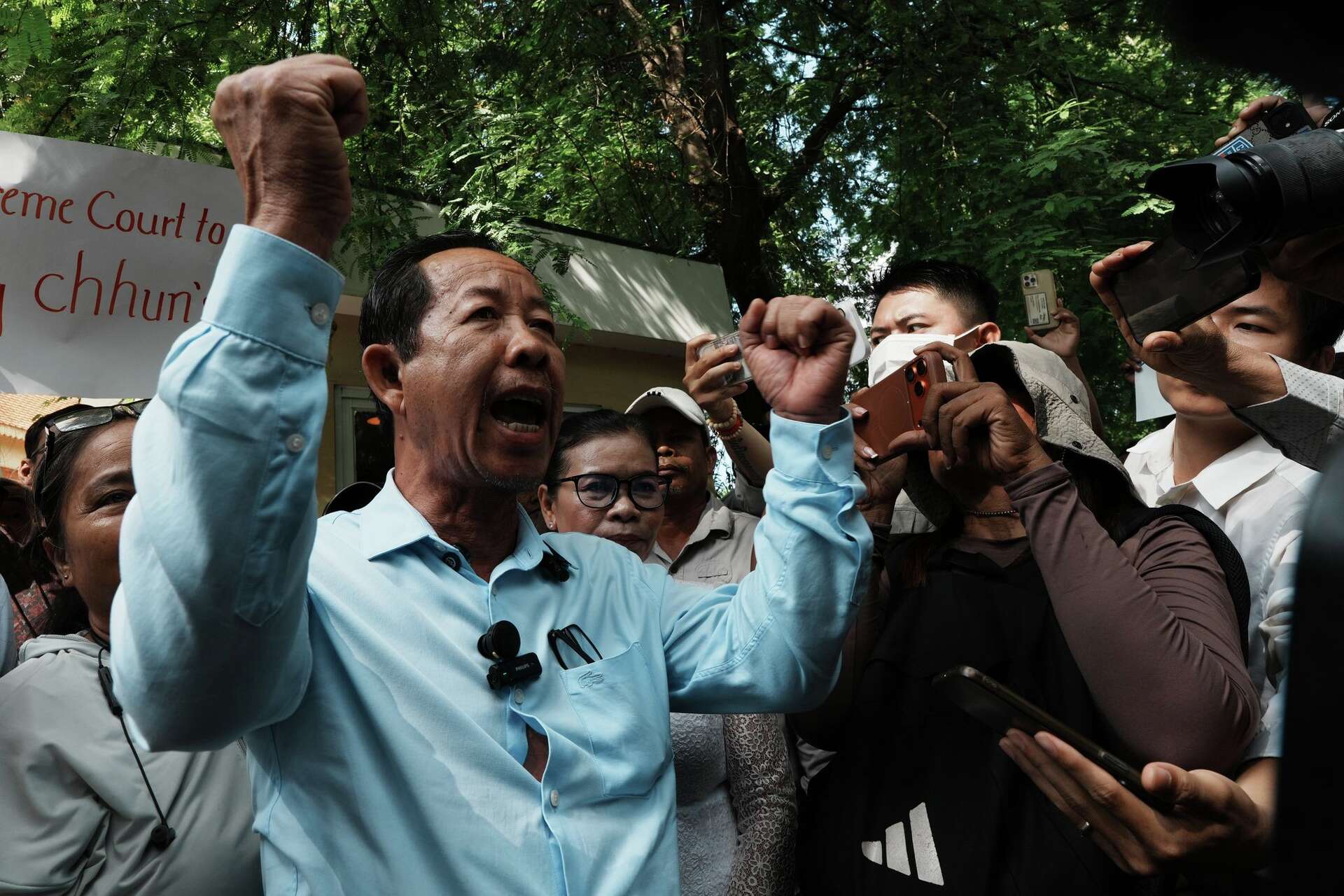
Rong Chhun walked into Cambodia’s Supreme Court in Phnom Penh on Monday facing more than a prison sentence. His appeal of an incitement conviction has become a measure of how Cambodia’s courts draw the boundaries of opposition politics, and whether any meaningful democratic space remains for critics ahead of future elections.
The 2025 conviction left Chhun with four years in prison, a 4 million riel fine, or about US$1,000, and the loss of his right to vote and run for office. The Supreme Court was due to announce its ruling on June 19, while police barricades lined the road outside the court, underscoring how politically sensitive the case remained.
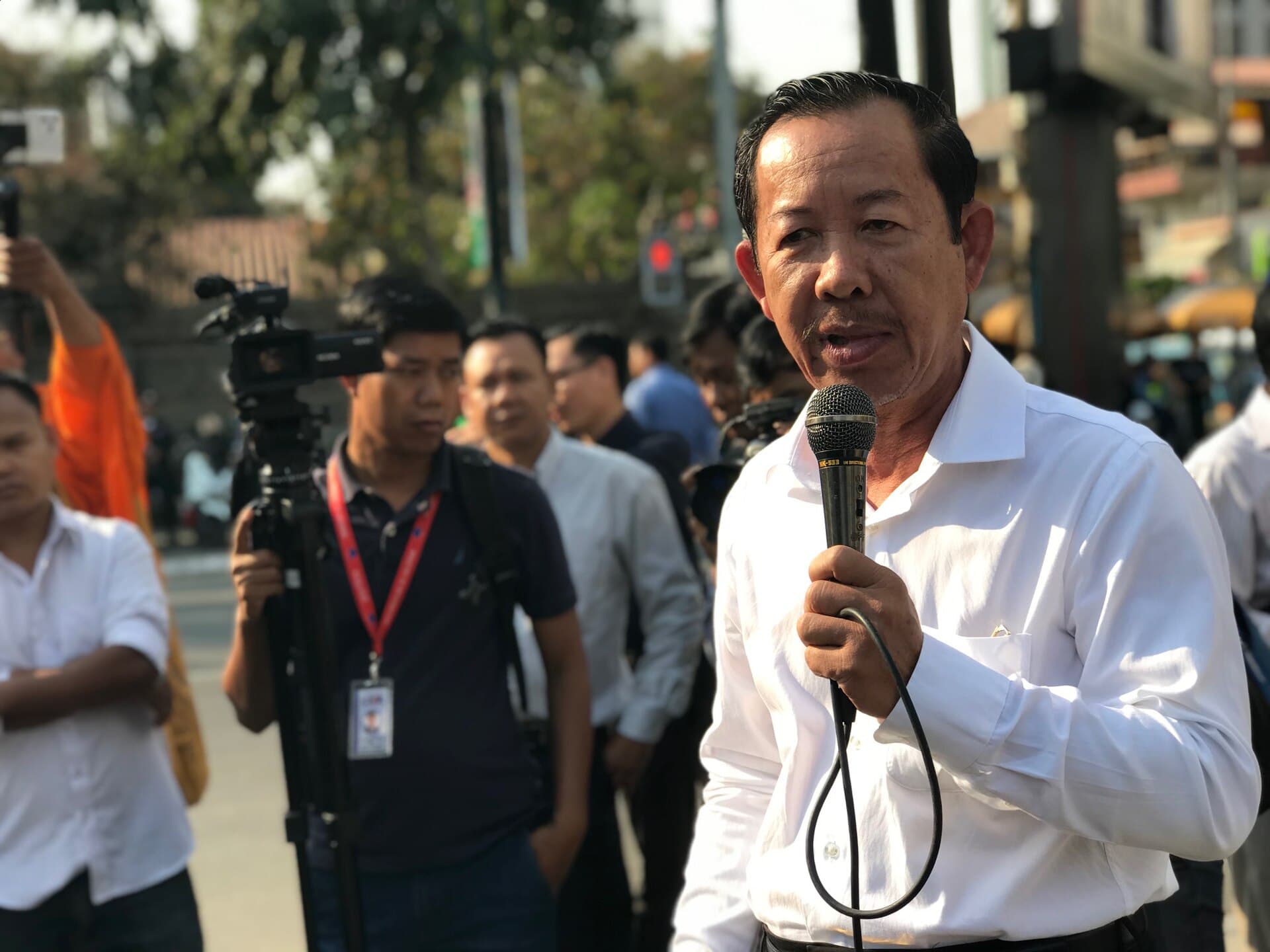
Outside the compound, roughly 300 supporters cheered Chhun as he came out of the hearing, and one local account put the crowd at more than 500. Many chanted for the charges to be dropped and for his political rights to be restored. Chhun told supporters he wanted to keep promoting “national reconciliation and national unity” for Cambodia’s 17 million people and said he hoped for “freedom and justice” so he could practice politics again.
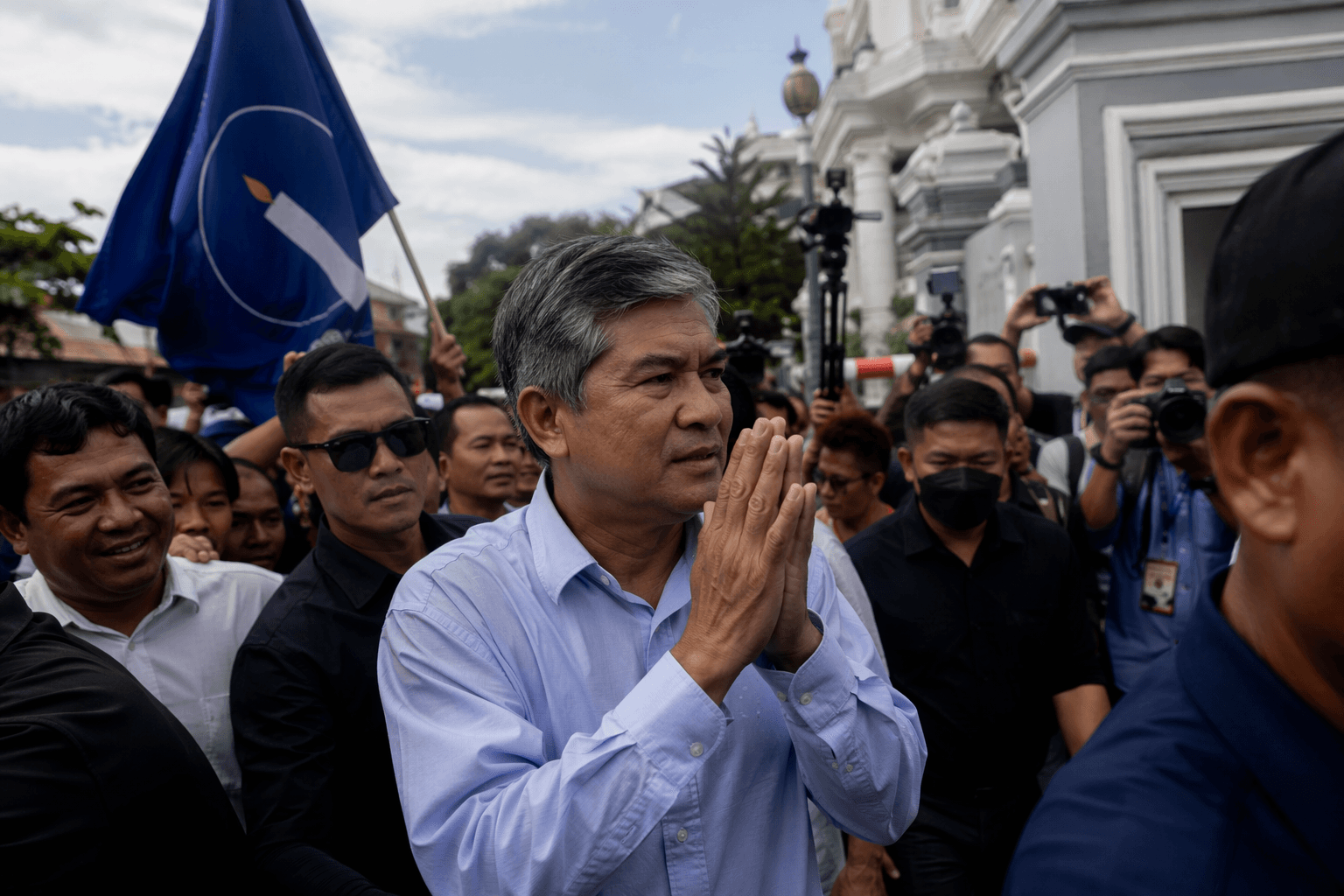
Chhun is no stranger to Cambodia’s courts. He was convicted of incitement in August 2021 over allegations that he spread false information about the Cambodia-Vietnam border, and he later returned to freedom after serving more than 15 months in prison. The new case stemmed from comments about Cambodia’s online fraud sector and the border, and court filings and rights groups said the Phnom Penh Municipal Court used a Criminal Code provision that can double a sentence when someone is convicted again within five years.
The pressure on Chhun also reflects the shrinking space for opposition politics more broadly. He has been described as a former vice-president of the Candlelight Party and a longtime union leader, including a past role leading the Cambodia Confederation of Unions. After Candlelight was excluded from the 2023 national election, Chhun moved to the Nation Power Party, which became a refuge for opposition figures pushed out of the formal political arena.
Rights groups say the legal system has become a tool for narrowing dissent rather than settling disputes. Human Rights Watch says Cambodia’s rights situation has continued to deteriorate since Hun Manet became prime minister in 2023, while LICADHO says the judiciary is being used in a politicized way against critics. CamboJA News reported that the Phnom Penh Appeal Court upheld Chhun’s conviction and permanently barred him from politics on April 1, adding another sign that the courts are helping define who can and cannot participate in Cambodia’s political life.
This article was produced by Prism’s automated news system from verified source data, official records, and press releases, then run through automated quality and moderation checks before publishing. The system is built and supervised by the people who set the standards it runs under. Read our full AI policy.
Did this article answer your question?