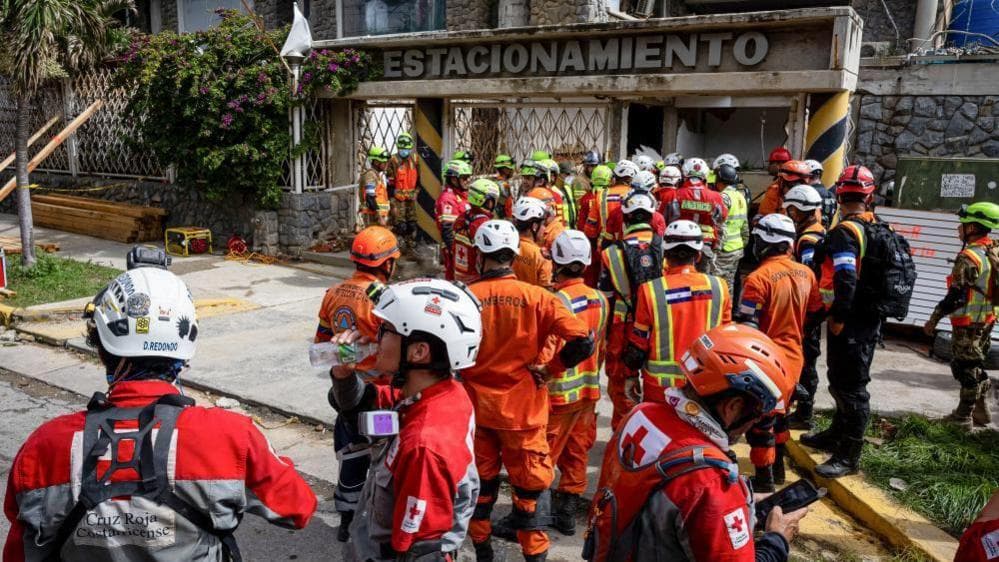
Cambodia’s scam crackdown leaves stranded foreign workers in Phnom Penh
Hundreds of foreign workers were left sleeping on Phnom Penh sidewalks after Cambodia's scam raids, with no passports, cash or clear path home.
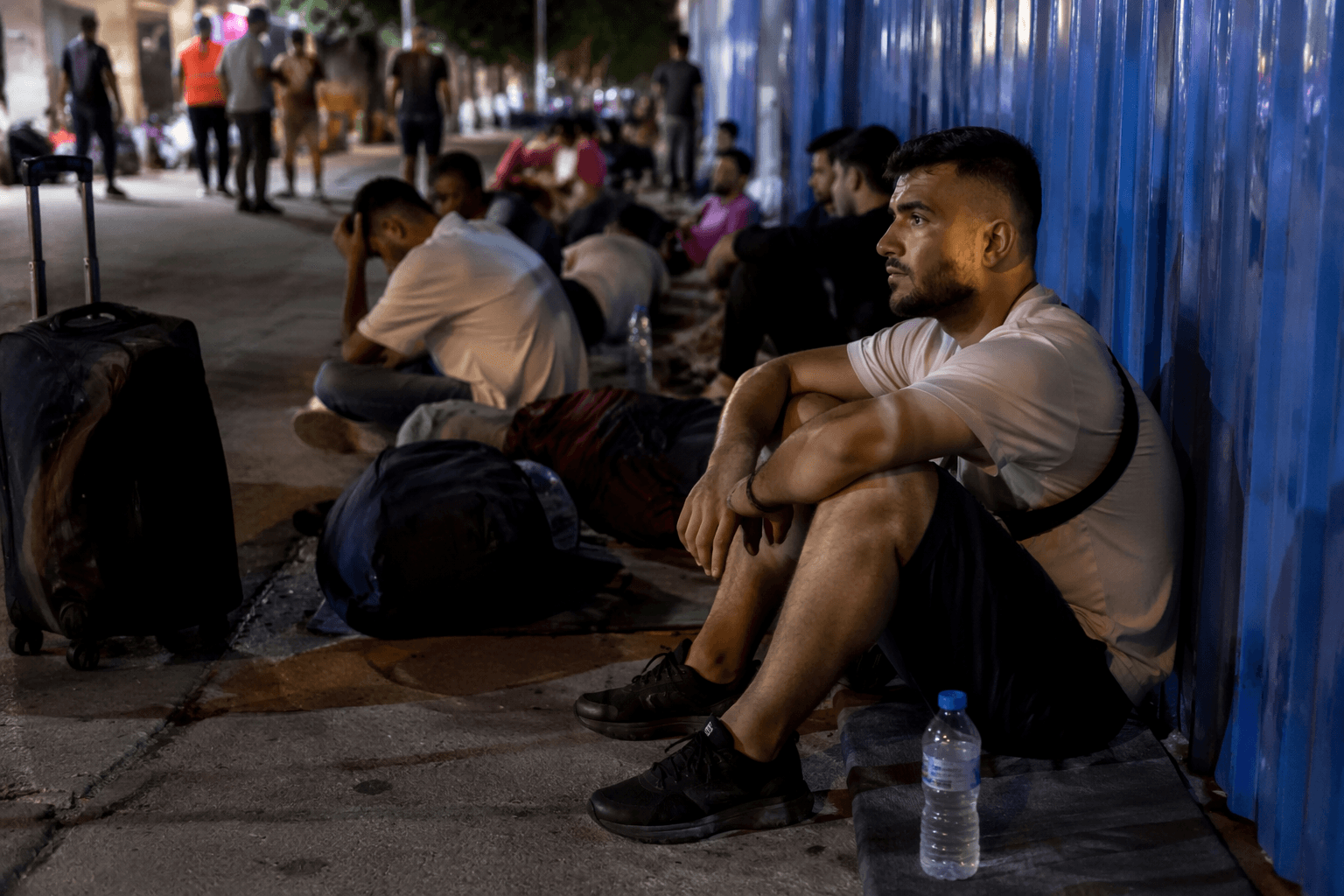
Cambodia’s crackdown on scam compounds has pushed foreign workers out of locked facilities and into a humanitarian vacuum in Phnom Penh. Men and women from Uganda, Indonesia and other countries have slept on sidewalks, waited outside embassies and tried to survive in cheap guesthouses and NGO offices, often with no money, no passport and no clear way home.
The fallout exposed a policy failure that goes beyond any single raid. In May 2025, UN experts said hundreds of thousands of people of various nationalities were trapped across Southeast Asia in scam compounds and forced to carry out online fraud or assist criminal operations. They described victims facing beatings, electrocution, solitary confinement, sexual violence and deprivation of food and clean water. The UN’s warning made clear that these were not isolated labor disputes but a trafficking system built around coercion and abuse.

UNODC said in April 2025 that law-enforcement pressure was displacing scam compounds in Cambodia and neighboring countries rather than shutting the industry down. The agency estimated that hundreds of industrial-scale scam centres generate just under US$40 billion in annual profits, fueled by underground banking and cryptocurrency laundering. A 2023 UNODC policy report had already linked trafficking for forced criminality to casinos and special economic zones in Cambodia, Lao PDR and Myanmar, showing how deeply the business had spread across the Mekong region.
The strain is now visible in Phnom Penh. A February 2026 humanitarian report described foreign workers stranded on the streets after escapes from scam compounds, asking why embassies and the International Organization for Migration had moved so slowly to help. One Ugandan victim, Joseph, was among those who slept outside before gathering enough money for hotel rooms. The scene underscored a basic gap in the response: getting people out of compounds was not the same as getting them safely home.
That gap is widening as criminal groups adapt. A June 2026 report said Cambodia’s crackdown had targeted hundreds of facilities, but traffickers were shifting into smaller urban sites rather than disappearing. The same pattern has appeared across the region, from Myanmar to the Philippines, as networks relocate under pressure instead of collapsing. Experts say the next phase must include victim screening, emergency shelter, documentation help and repatriation support, or stranded survivors risk being re-recruited into new compounds, pushed deeper into destitution, or left to absorb the human cost of a crime economy that has already proven it can move faster than the authorities trying to stop it.
This article was produced by Prism’s automated news system from verified source data, official records, and press releases, then run through automated quality and moderation checks before publishing. The system is built and supervised by the people who set the standards it runs under. Read our full AI policy.
Did this article answer your question?