Cameroon Opposition Leader Dies After Weeks in Detention, Family Says
Anicet Ekane, a prominent opposition figure, died after several weeks in custody, his family and lawyers said, raising urgent questions about medical care and treatment of political detainees. The death of the 74 year old has intensified domestic unrest following a disputed presidential vote and has drawn calls for an independent investigation from critics at home and abroad.
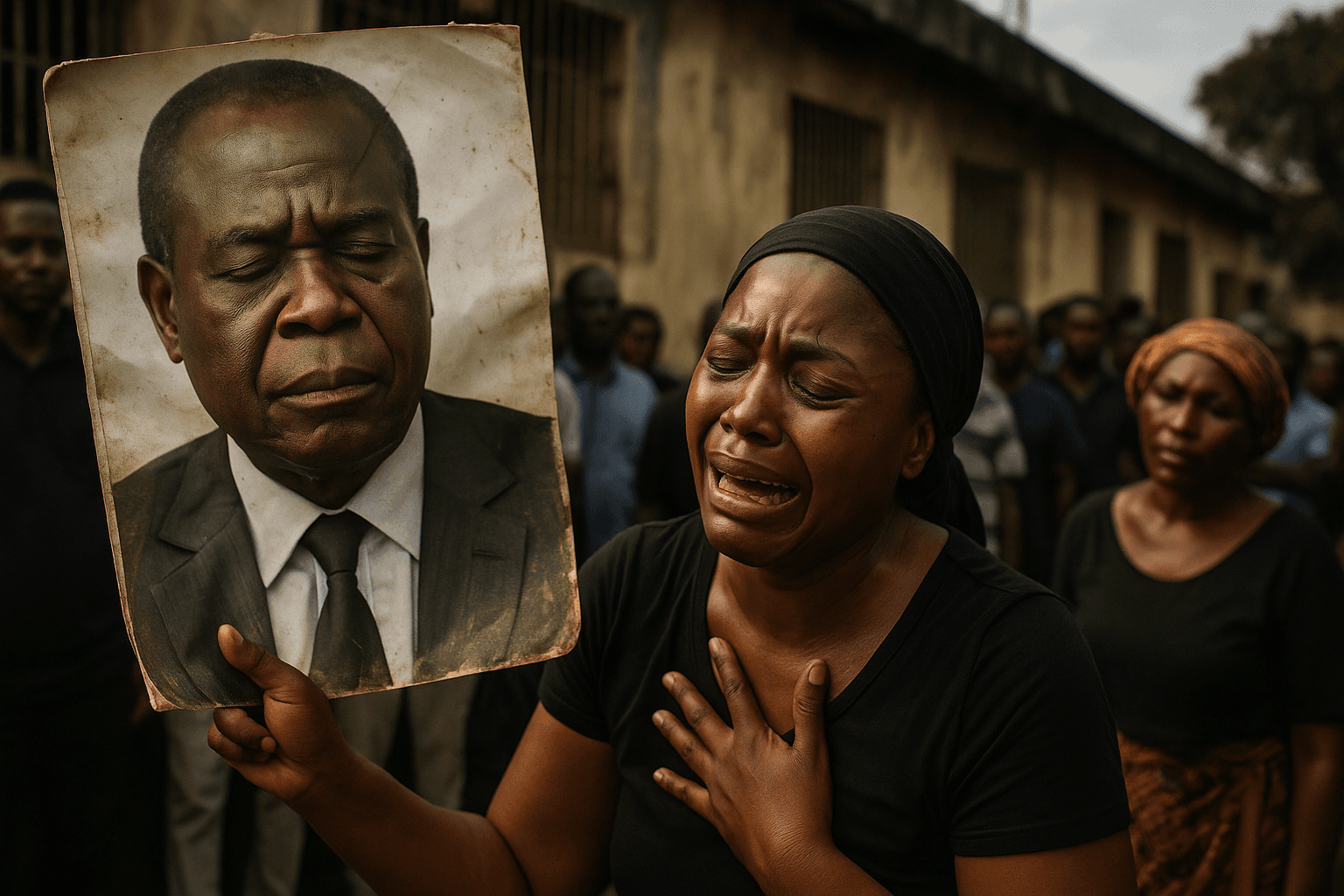
Anicet Ekane, a senior opposition leader in Cameroon, died on December 1 after weeks in detention, his family and legal team said on Monday, alleging that he suffered breathing problems and did not receive adequate medical care while held. Ekane was 74 and had been arrested in late October alongside other opposition figures during nationwide protests that erupted after a presidential election declared for incumbent Paul Biya.
The circumstances of Ekane’s death have amplified already heightened tensions in a country still shaken by the aftermath of the October vote. Lawyers and relatives called for a full, independent investigation into the conditions of his detention and the medical attention he received. Authorities have not publicly confirmed a cause of death and said inquiries are underway.
Ekane’s arrest had come amid large demonstrations over alleged electoral fraud and a broader campaign by the government against dissent. His death is likely to strengthen critics who accuse state institutions of targeting opposition leaders and failing to respect due process. Domestic opponents said the loss underscores long standing concerns about the treatment of political prisoners and about access to health care inside detention facilities.
The case also raises questions under international human rights law, which requires states to ensure the safety and medical treatment of people in custody and to carry out prompt, transparent investigations when detainees die. Human rights advocates are expected to press Cameroonian authorities for access to records, detention logs and medical files, and for independent oversight of any probe. The death is likely to attract international scrutiny and could complicate relations with partners who publicly emphasize rule of law and human rights in their engagement with Yaounde.
Paul Biya, in power for decades, presided over an election cycle that has deepened divisions across the country. Ekane’s death comes as many Cameroonians wrestle with economic strains and multiple security challenges. Political analysts say the timing could galvanize opposition forces and inflame street protests, especially if calls for transparent inquiry are not met with credible action.
In Douala, where Ekane was based, family members and lawyers voiced anger and grief, and demanded accountability from state authorities. The government’s promise of an inquiry will be measured against the speed and independence of the investigation and by whether its findings are made public.
For now, Ekane’s death marks a painful flashpoint in a fraught political moment for Cameroon. How the government responds will be closely watched by domestic critics and international observers who see the episode as a test of the country’s commitments to legal norms and to the protection of those in custody.
This article was produced by Prism’s automated news system from verified source data, official records, and press releases, then run through automated quality and moderation checks before publishing. The system is built and supervised by the people who set the standards it runs under. Read our full AI policy.
Did this article answer your question?


