Canada backs down on streaming fees, pledges C$600 million for culture
Ottawa scrapped a streaming levy that would have tripled contributions from major platforms, and pledged C$600 million a year instead.
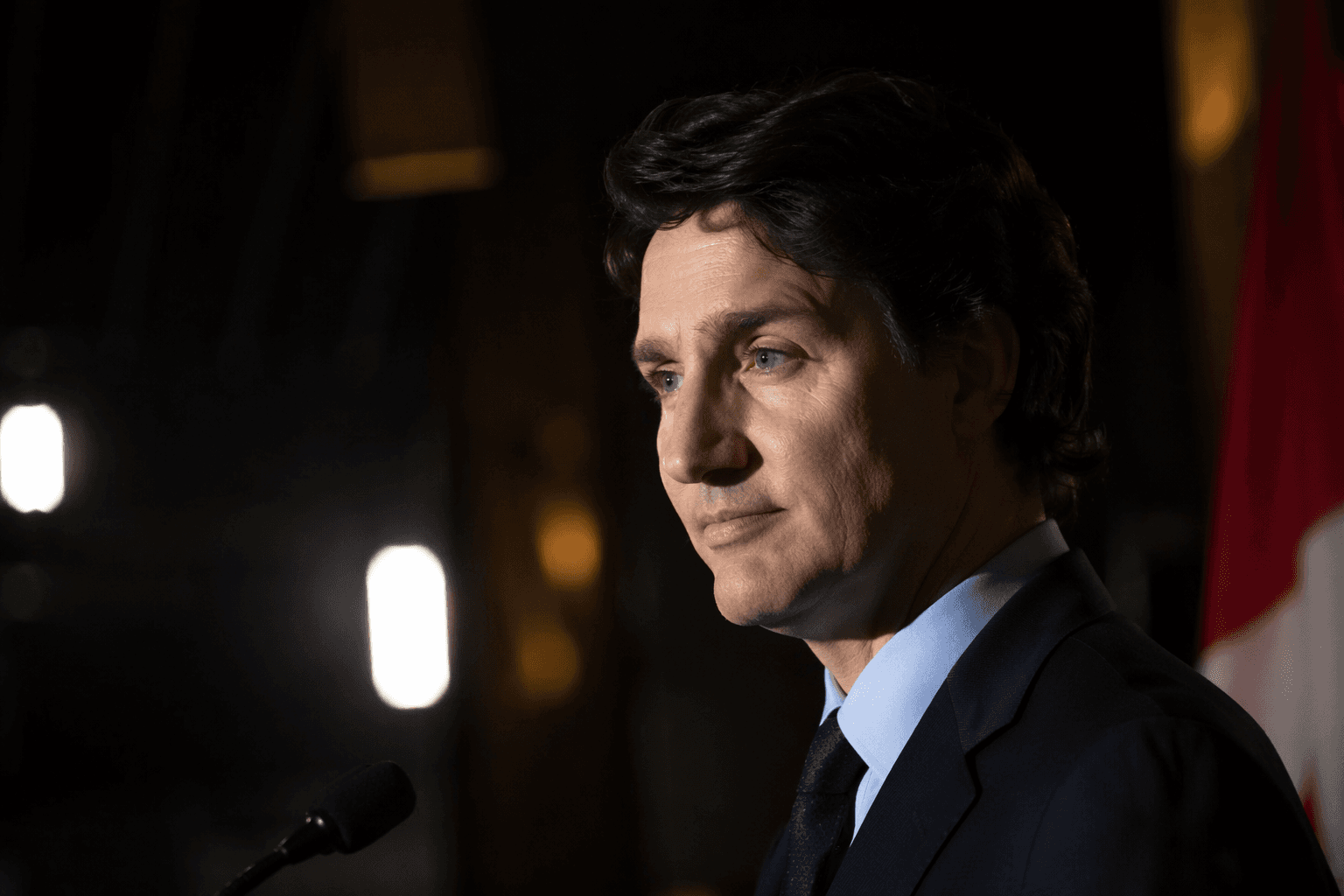
Canada’s retreat from a tougher streaming levy shifts the fight over cultural funding from the regulator’s balance sheet to the federal budget, and it leaves Canadian producers, consumers and foreign platforms with a very different playbook. Instead of forcing large online services to contribute 15% of their Canadian broadcasting revenues, the federal government said it would direct the CRTC to review that decision and replace part of the burden with C$600 million a year in public investment.
The reversal came after intense pressure from the Motion Picture Association, U.S. Ambassador Pete Hoekstra and streaming companies that argued the new rules would punish American platforms and could flow through to subscriber bills. Prime Minister Mark Carney framed the move as an affordability decision, saying this was not the time to raise costs for Canadians. Culture Minister Marc Miller said the government wanted to keep the sector vital while making Canadian content more accessible and affordable.
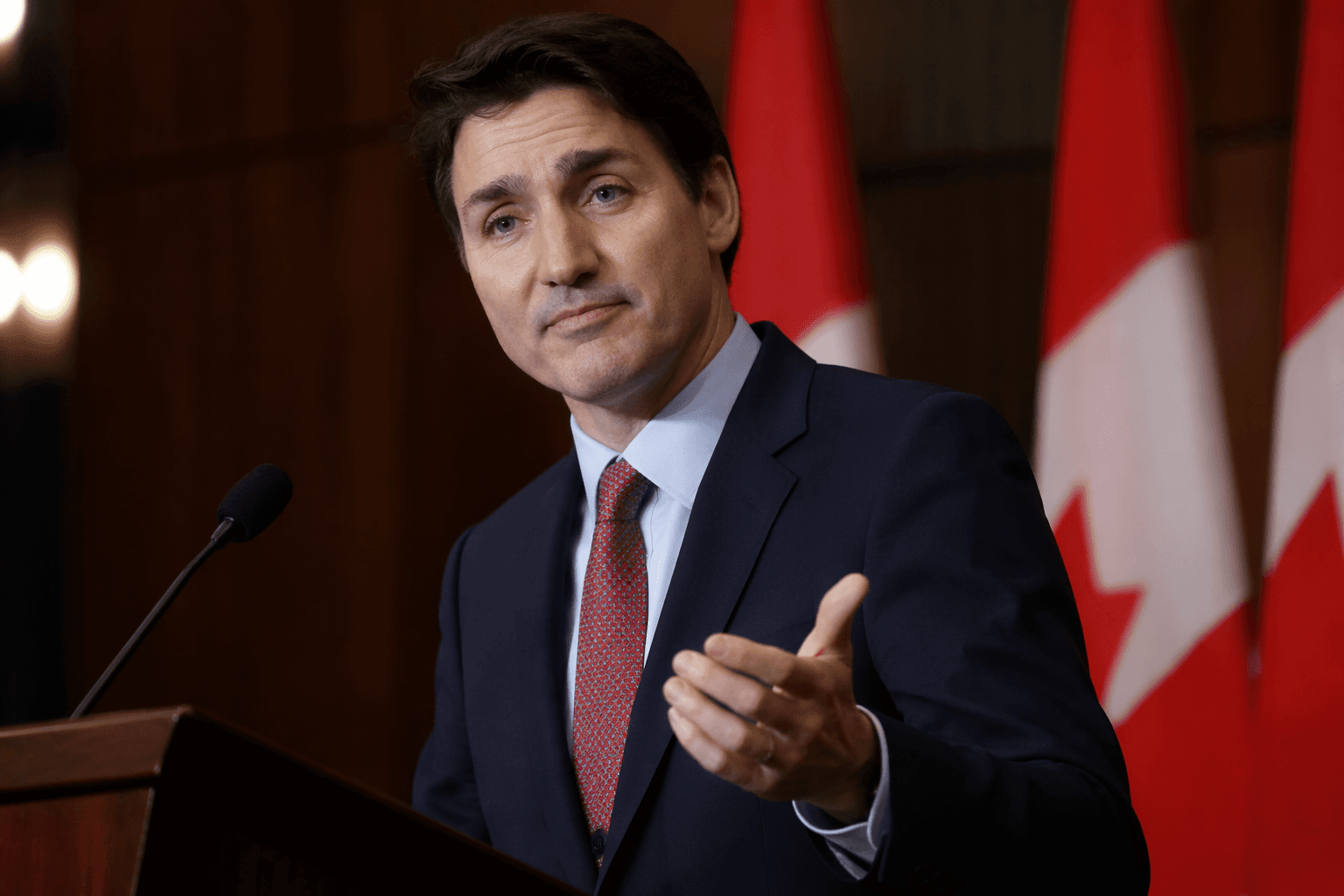
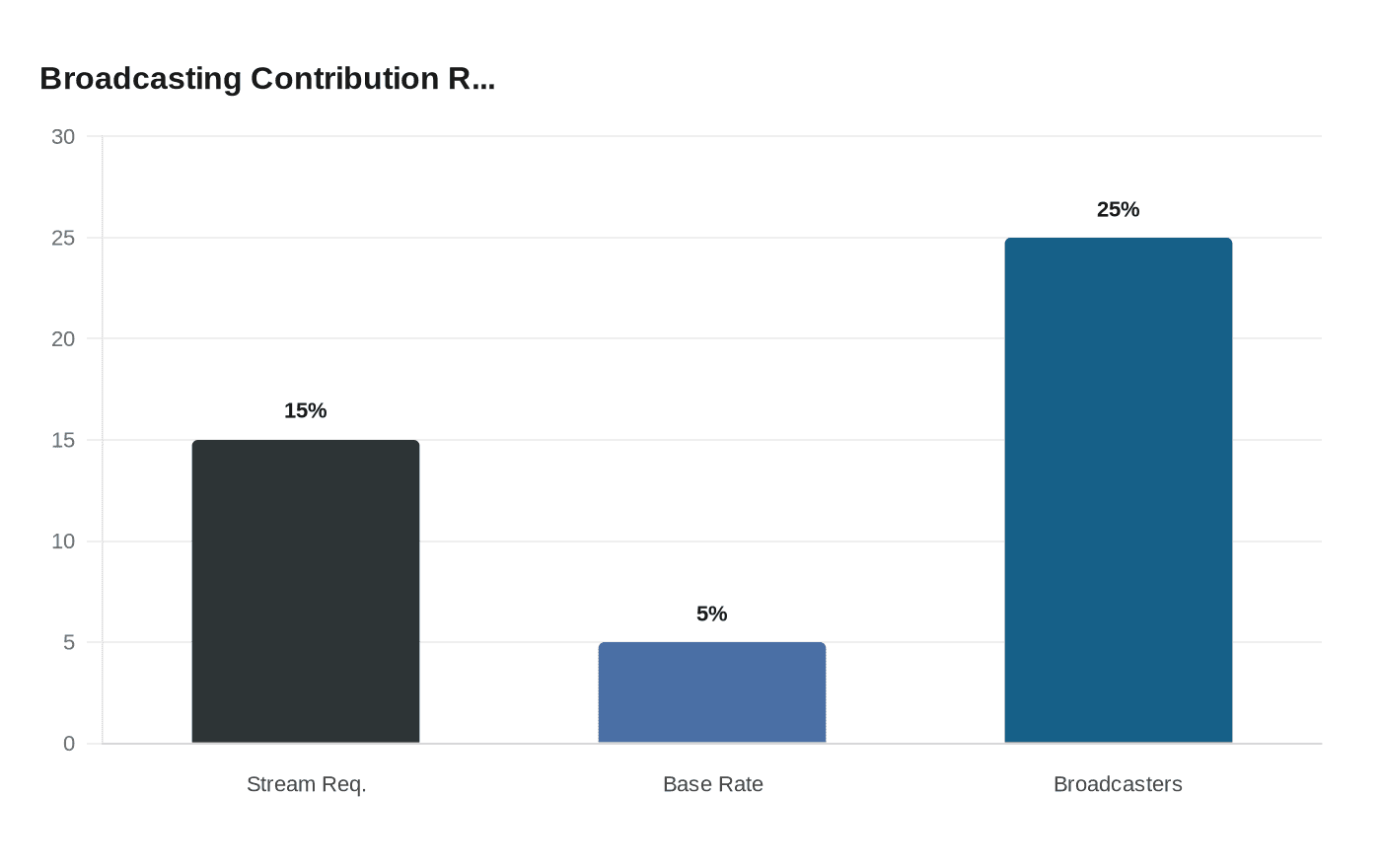
The CRTC’s May 21 ruling had been a central plank of Ottawa’s effort to modernize broadcasting under the Online Streaming Act, which took effect on April 27, 2023. The regulator said the framework would apply to online streaming services with annual Canadian broadcasting revenues of C$25 million or more and would stabilize Canadian-content funding at more than C$2 billion a year. It also said the 15% streaming-service requirement included the 5% base contribution rate established in 2024, while traditional broadcasters’ base contribution rate was lowered to 25% from a previous range of 30% to 45%.
For Canadian producers, the change lands as a warning that political support for cultural policy can fade when the cost becomes visible to consumers. Unifor said it was deeply concerned, arguing that big tech had been given a free ride and warning that the government’s decision could weaken support for broadcasting, news, French-language programming and Indigenous content. Those sectors have long depended on the obligation that domestic and foreign distributors help pay for the system they profit from.
The dispute also has a trade dimension. The levy had become a flashpoint in strained Canada-U.S. relations, just as Ottawa, Washington and Mexico continue discussions around the renewal of their trade agreement. U.S.-based streaming companies had already challenged the CRTC’s earlier contribution decision in court, underscoring how quickly cultural policy has become a legal and commercial battleground. Canada now has C$600 million a year to cushion the blow, but the larger question remains unsettled: who should pay to sustain national culture when the audience has moved online.
This article was produced by Prism’s automated news system from verified source data, official records, and press releases, then run through automated quality and moderation checks before publishing. The system is built and supervised by the people who set the standards it runs under. Read our full AI policy.
Know something we missed? Have a correction or additional information?
Submit a Tip