In Beirut’s Dahieh, fragile ceasefire tests Hezbollah’s wartime stronghold
In Dahieh, where smoke still rose from shattered blocks, civilians weighed grief against defiance as a shaky ceasefire was repeatedly broken by new Israeli strikes.
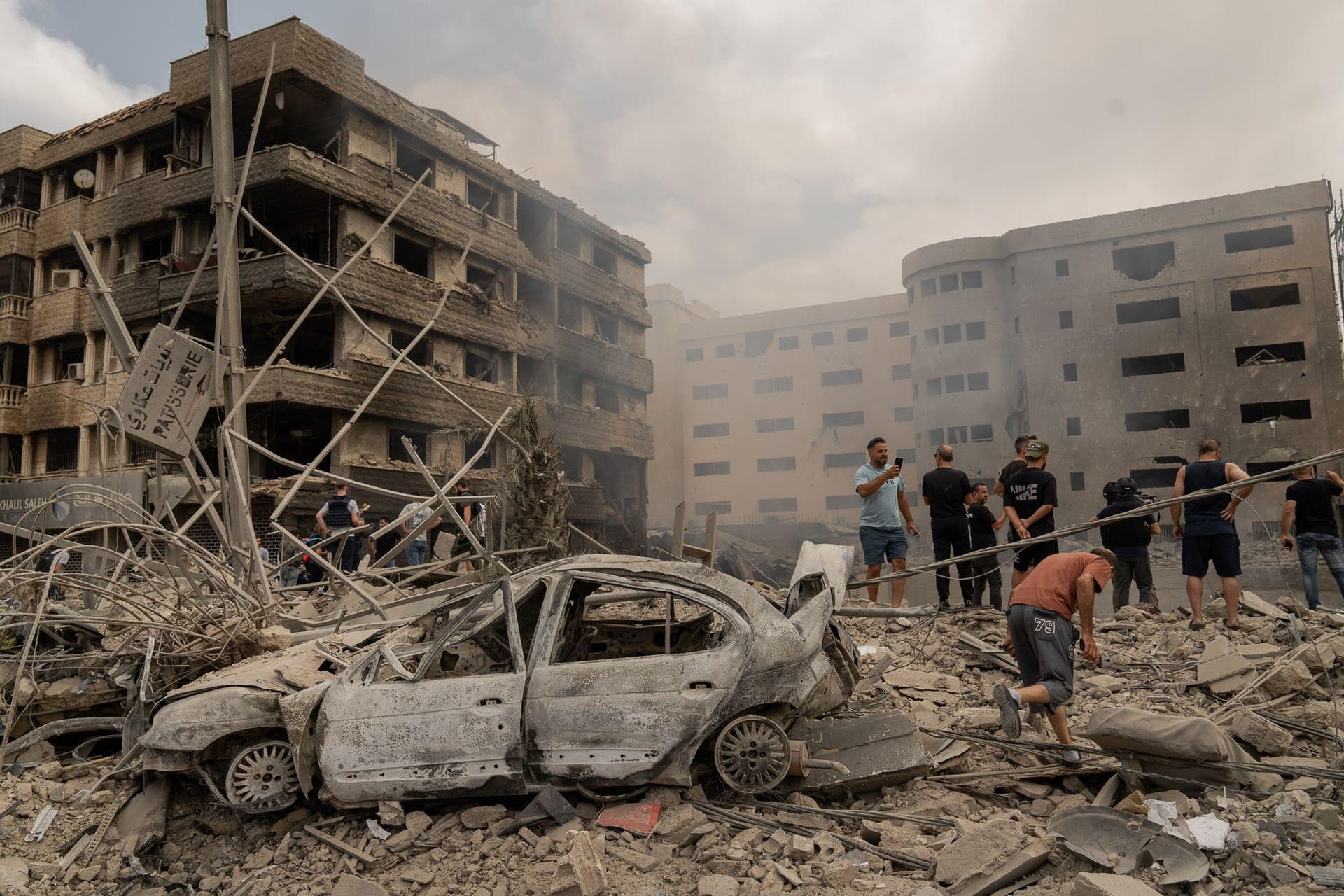
Dahieh, Hezbollah’s southern Beirut stronghold, has become the clearest measure of whether the Israel-Lebanon ceasefire can hold. In the densely packed neighborhood where the group’s political and social base lives, residents are still reckoning with damaged buildings, dead neighbors and the fear that a truce declared on November 27, 2024, could unravel into another round of war.
The ceasefire was meant to halt hostilities for 60 days and push Hezbollah fighters north of the Litani River, with the Lebanese army helping enforce the arrangement. But the deal never fully settled the conflict. Israeli warnings of further attacks and repeated strikes in Lebanon have kept Dahieh on edge, turning the suburb into a barometer of both military pressure and public patience.
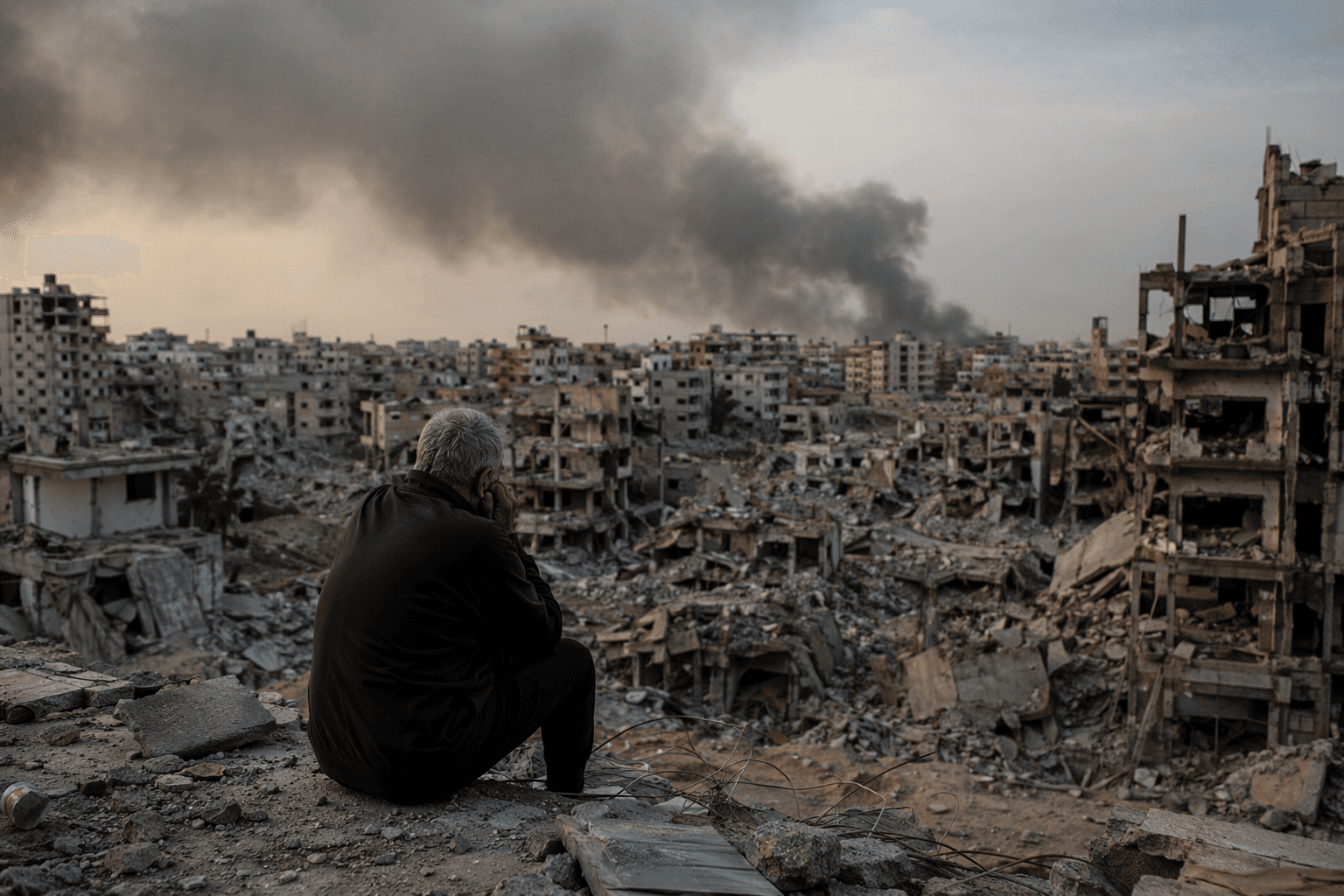
The cost of the war in civilian life was already severe. On September 17, 2024, a pager attack on Hezbollah wounded more than 3,000 people and killed 12. The following walkie-talkie explosions killed at least 25 more and injured over 600, a reminder that the conflict reached deep into everyday life well beyond front-line positions. In Beirut’s southern suburbs, Israeli strikes killed 14 people and wounded dozens in an earlier escalation, leaving whole blocks scarred and families searching for the missing.
Israeli officials have said Hezbollah spent roughly two decades building weapons-production and storage sites in Dahieh, often hidden under civilian buildings. That claim has been central to Israel’s case for continued pressure on the suburb, even after the ceasefire. But every new strike in a place that is also home to families, shopkeepers and commuters risks hardening Lebanese anger and blurring the line between military target and residential district.
That tension matters because Hezbollah’s legitimacy in Dahieh has long rested on more than weapons. It has also rested on patronage, identity and the group’s self-image as a defender of Lebanon. Yet the repeated destruction in the suburb, and the continuing threat of strikes despite the truce, have left civilians confronting a harder question: whether Hezbollah can still shield the people who live under its banner.
In October 2025, United Nations experts said continuing Israeli strikes despite the ceasefire had caused devastating harm to civilians and called for accountability. In Dahieh, where the rubble is still a visible part of daily life, the answer to the ceasefire test is not measured in statements from Beirut or Jerusalem. It is measured in whether the neighborhood can avoid becoming the opening front of another war.
This article was produced by Prism’s automated news system from verified source data, official records, and press releases, then run through automated quality and moderation checks before publishing. The system is built and supervised by the people who set the standards it runs under. Read our full AI policy.
Know something we missed? Have a correction or additional information?
Submit a Tip

