U.S.-brokered Israel-Hezbollah cease-fire takes effect amid fresh accusations
Hezbollah was left outside the talks, and within hours of the truce it said it had fired on Israeli targets. The deal now rests on Lebanese troops, UN peacekeepers and mutual restraint.

The cease-fire between Israel and Hezbollah took effect with the armed group itself outside the negotiations, an omission that exposed how fragile the arrangement could be from the start. Hours after the truce was announced, Hezbollah said it had fired rockets at Israeli targets, while Israel accused Hezbollah of violations and responded by striking a facility it said was used to store medium-range rockets in southern Lebanon.
The deal, brokered by the United States and France, began on November 27, 2024, as a 60-day halt in fighting that was meant to stop more than a year of cross-border war from widening further across the region. The conflict had begun on October 8, 2023, when Hezbollah opened fire on Israeli posts one day after Hamas’s October 7 attack on Israel. By the time of the truce, the fighting had become a major test of whether the Gaza war could be contained.
President Joe Biden said the agreement would give the Lebanese Army and the Lebanese State Security Forces 60 days to deploy and take control of their own territory again. Under the published understanding, Lebanon was to prevent Hezbollah and other armed groups from carrying out operations against Israel, while Israel would not conduct offensive military operations against Lebanese targets by land, air or sea. Israeli officials also said Hezbollah fighters were supposed to move north of the Litani River, about 20 miles from Lebanon’s southern border, with UN peacekeepers and Lebanese troops overseeing implementation.
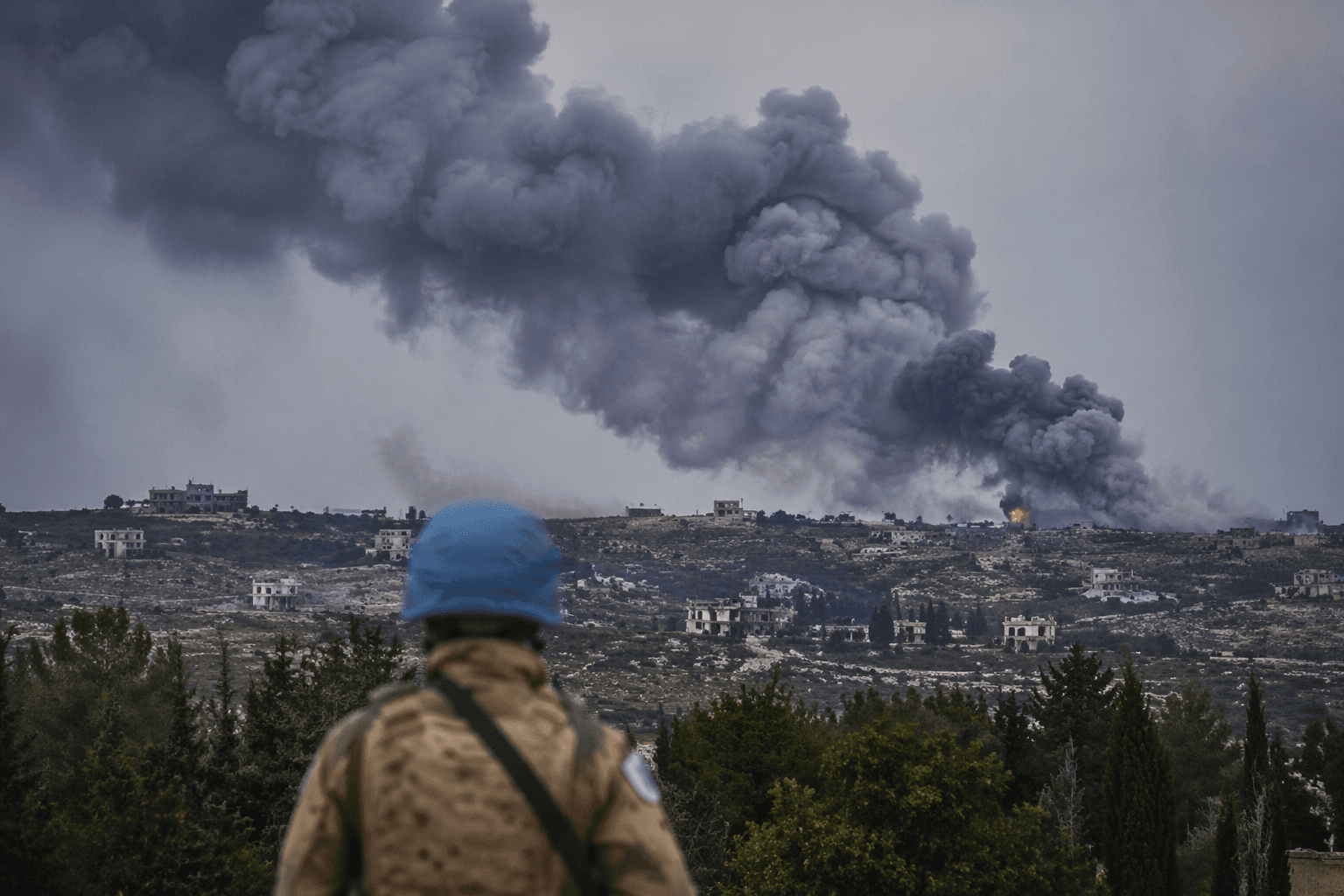
That design made the truce dependent on institutions that do not control Hezbollah’s arsenal, which is why the absence of the group from the talks mattered so much. The arrangement assumed Beirut could restrain armed groups in the south and that Hezbollah would stay north of the Litani, but early accusations from both sides showed how quickly the cease-fire could unravel if either side claimed the other had breached the terms.
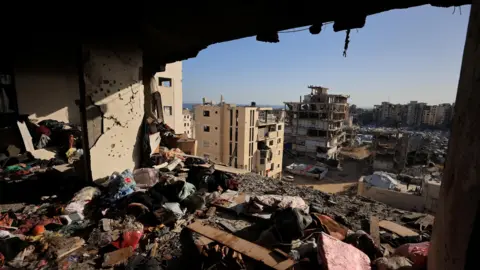
The stakes reached well beyond the border villages hit during the fighting. Lebanese officials said hundreds of thousands of people were displaced, and the truce was meant to reduce pressure on northern Israel while allowing civilians in both Lebanon and Israel to return home safely. Later reporting from UNIFIL said Israel had repeatedly violated the cease-fire, underlining how the agreement functioned less like a durable settlement than a temporary pause, vulnerable to the same forces that kept the war alive in the first place.
This article was produced by Prism’s automated news system from verified source data, official records, and press releases, then run through automated quality and moderation checks before publishing. The system is built and supervised by the people who set the standards it runs under. Read our full AI policy.
Know something we missed? Have a correction or additional information?
Submit a Tip