Canada confirms first hantavirus case linked to MV Hondius cruise ship
British Columbia said a quarantined cruise passenger tested presumptive positive for Andes hantavirus, while officials said the wider public risk remains low.
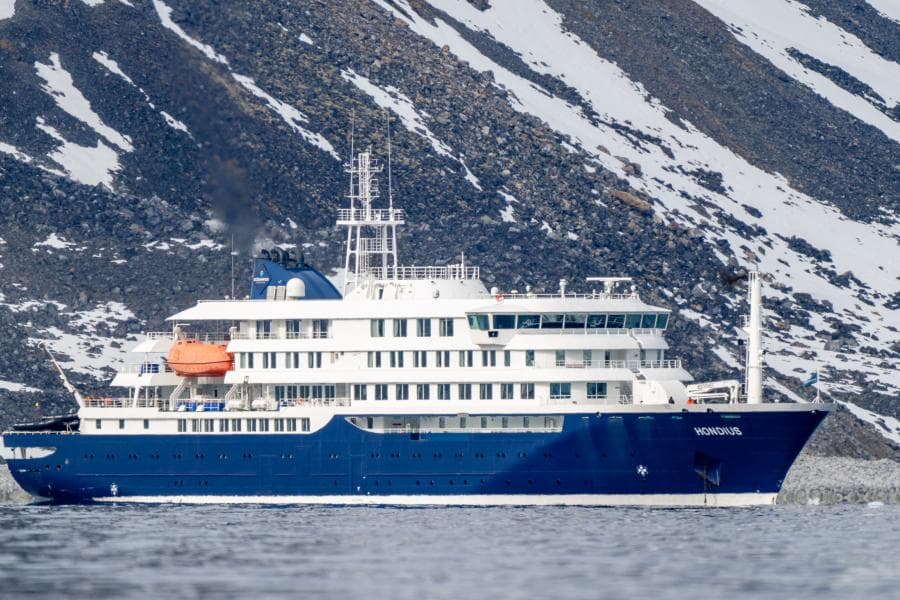
British Columbia health officials said one of four Canadians isolated after returning from the MV Hondius cruise ship tested presumptive positive for Andes hantavirus, marking the first linked case identified in Canada. The person was taken to hospital for assessment and care on May 14 with a spouse who also had mild symptoms, while the other high-risk passengers continued to self-isolate under provincial monitoring.
The four Canadians arrived in British Columbia on May 10 aboard a Government of Canada chartered aircraft with a Public Health Agency of Canada quarantine officer and were moved directly to pre-arranged lodging. Provincial officials said the 21-day monitoring period began that same day, while PHAC had earlier said the clock began May 6, when the last known confirmed case was removed from the ship. Health authorities have stressed that the risk to the general population in Canada remains low because hantavirus transmission requires close, prolonged contact and person-to-person spread in Canada is not expected.
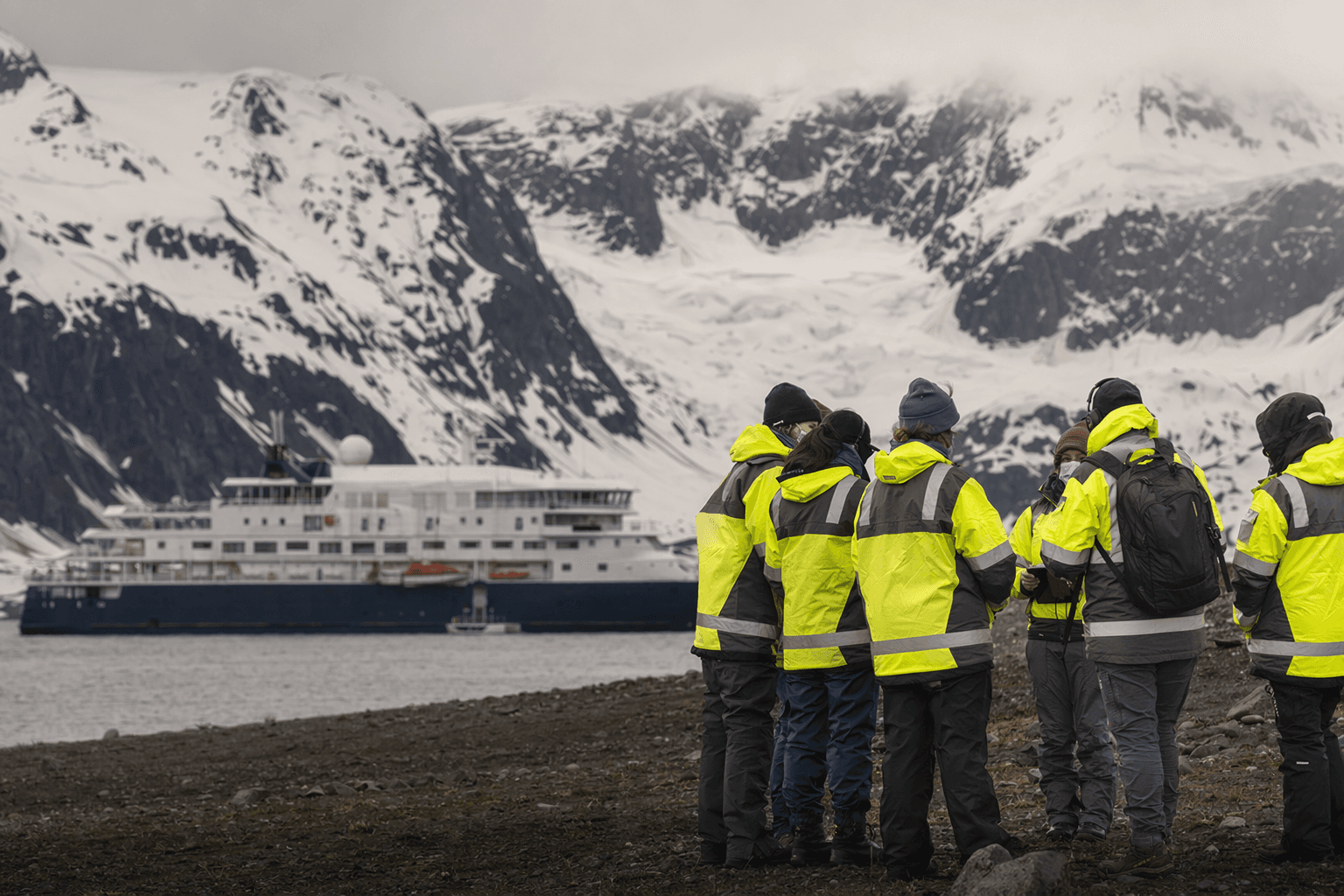
The case is tied to a fast-moving international outbreak on the MV Hondius, a vessel the World Health Organization said carried 147 passengers and crew. WHO said seven cases had been identified by May 4, including three deaths, then updated the total to eight cases by May 8 and 11 cases by May 13. All laboratory-confirmed infections were Andes virus, the hantavirus strain known to have limited human-to-human transmission. Spain’s health ministry said about 150 people of 23 nationalities were aboard, including 14 Spanish citizens, and approved a protocol for disembarked passengers on May 8.
Public-health agencies in Canada and abroad have been treating the episode as both a containment problem and a contact-tracing test. PHAC said it was working with domestic and international partners, including the World Health Organization, and WHO issued operational guidance and an outbreak toolbox for safe disembarkation and onward management of passengers and crew. British Columbia Provincial Health Officer Dr. Bonnie Henry said the experience had been stressful and difficult for the Canadians and everyone aboard the ship.
The episode is notable because hantavirus pulmonary syndrome is rare in British Columbia, but it can be severe. Provincial surveillance shows only 20 confirmed cases in the province from 1994 through 2023, and 70% of them occurred between May and September. B.C. public-health materials say hantaviruses are found in rodents and spread to humans through exposure to rodents, underscoring that the cruise-ship cluster is being treated as an unusual importation rather than a signal of widespread local transmission.
This article was produced by Prism’s automated news system from verified source data, official records, and press releases, then run through automated quality and moderation checks before publishing. The system is built and supervised by the people who set the standards it runs under. Read our full AI policy.
Did this article answer your question?