WHO declares Congo and Uganda Ebola outbreak a global health emergency
WHO’s emergency declaration came as Congo counted 80 suspected Ebola deaths and cases surfaced in Kampala and Kinshasa, raising spillover fears across borders.
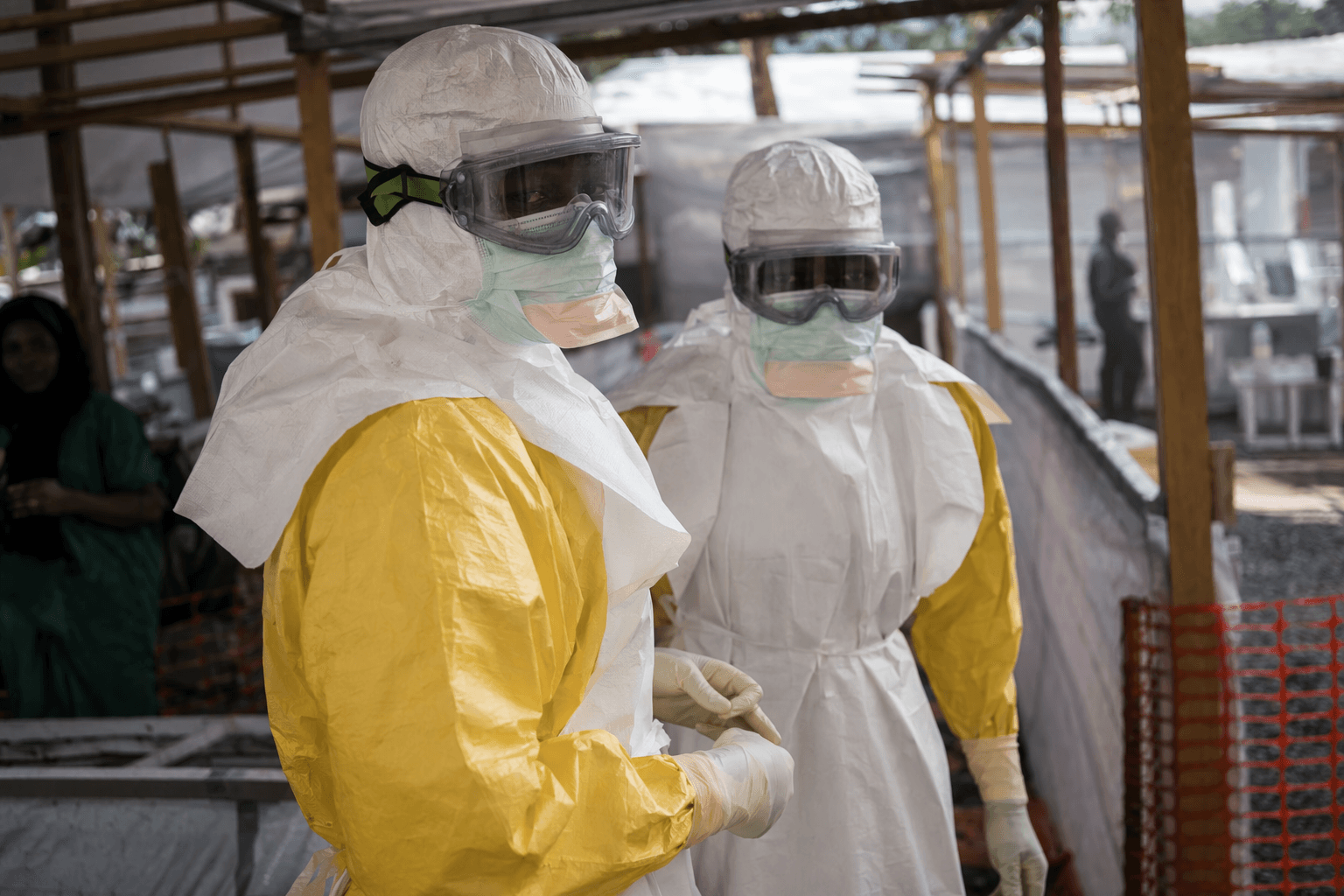
The World Health Organization escalated the Ebola outbreak in the Democratic Republic of the Congo and Uganda into a public health emergency of international concern as cases and suspected deaths climbed in eastern Congo and infected travelers crossed into two national capitals.
WHO said the event met the emergency threshold because it was extraordinary, could spread internationally and could disrupt travel, but it stopped short of calling it a pandemic emergency. By 16 May, the agency had counted eight laboratory-confirmed cases, 246 suspected cases and 80 suspected deaths in Ituri province, with infections reported across Bunia, Rwampara and Mongbwalu.
The declaration matters well beyond central Africa because the virus is already moving across borders. Uganda confirmed two laboratory-confirmed cases in Kampala, including one death, on 15 and 16 May, while Congo reported a laboratory-confirmed case in Kinshasa on 16 May in a person returning from Ituri. WHO said countries sharing land borders with the DRC faced a high risk of further spread, a warning that puts South Sudan and other neighbors on alert as population movement, insecurity and mining-linked mobility complicate containment.
The outbreak appears to involve the Bundibugyo virus, a less common Ebola strain first identified in Uganda in 2007. That distinction matters: the licensed Ervebo vaccine and key monoclonal antibody treatments are for the Zaire strain, which could make the response harder if sequencing confirms a non-Zaire virus. Africa CDC said preliminary laboratory tests found Ebola virus in 13 of 20 samples from Ituri, with sequencing still underway to pin down the exact species.
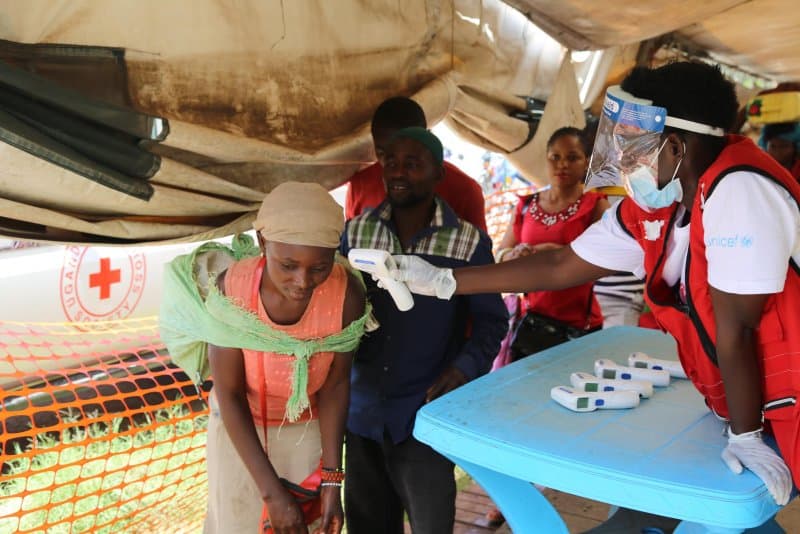
On the ground, the outbreak has already changed cross-border behavior. Uganda’s Ministry of Health said it was responding to an imported Ebola Bundibugyo case in a 59-year-old Congolese man who died in Kampala on 14 May after being admitted to Kibuli Muslim Hospital on 11 May. Uganda said there was no confirmed local transmission at the time and intensified screening and surveillance at border points.
WHO said it appreciated the governments of Congo and Uganda for taking “necessary and vigorous actions” and being frank about the risk to other states, which should help other countries move faster on preparedness. Africa CDC director-general Jean Kaseya said the response required “speed, scientific rigour and regional solidarity,” with priorities including surveillance, laboratory support, infection prevention and control, contact tracing, safe burials, logistics and public awareness.
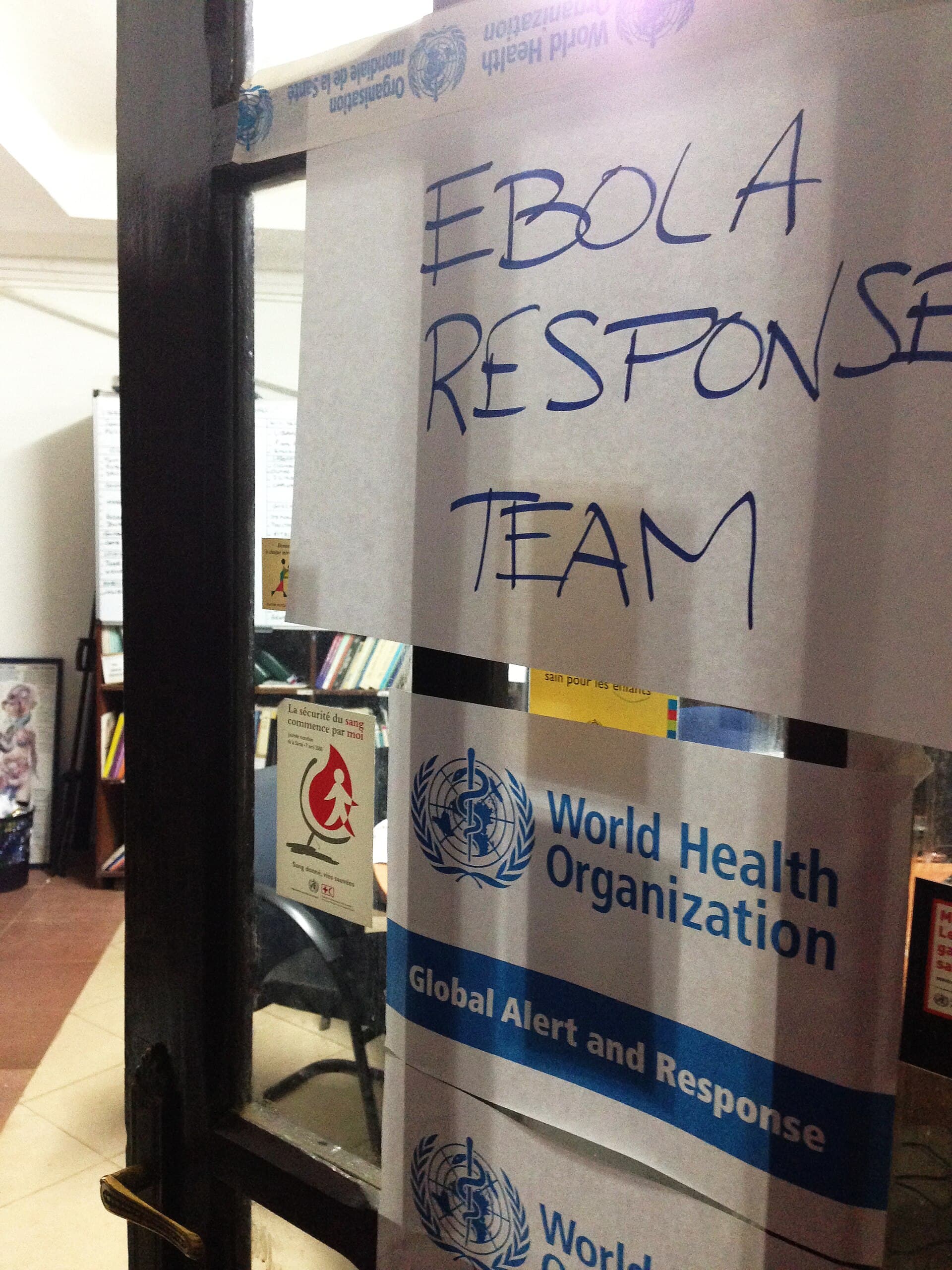
The benchmarks for whether the response is working are stark: whether suspected cases stop rising in Ituri, whether contacts are traced before they become infectious, whether burial teams can operate safely, and whether Uganda can keep the outbreak from establishing local transmission. Congo is facing its 17th Ebola outbreak since 1976, and the widening footprint in Congo, Uganda and Kinshasa is a reminder that after COVID, containment depends as much on coordination as it does on medicine.
Know something we missed? Have a correction or additional information?
Submit a Tip