Canada imposes 10% tariff on canned vegetable imports for 200 days
Canada imposed a 10% tariff on canned vegetables for up to 200 days, shielding domestic processors while exempting key suppliers from the United States, Mexico and other partners.
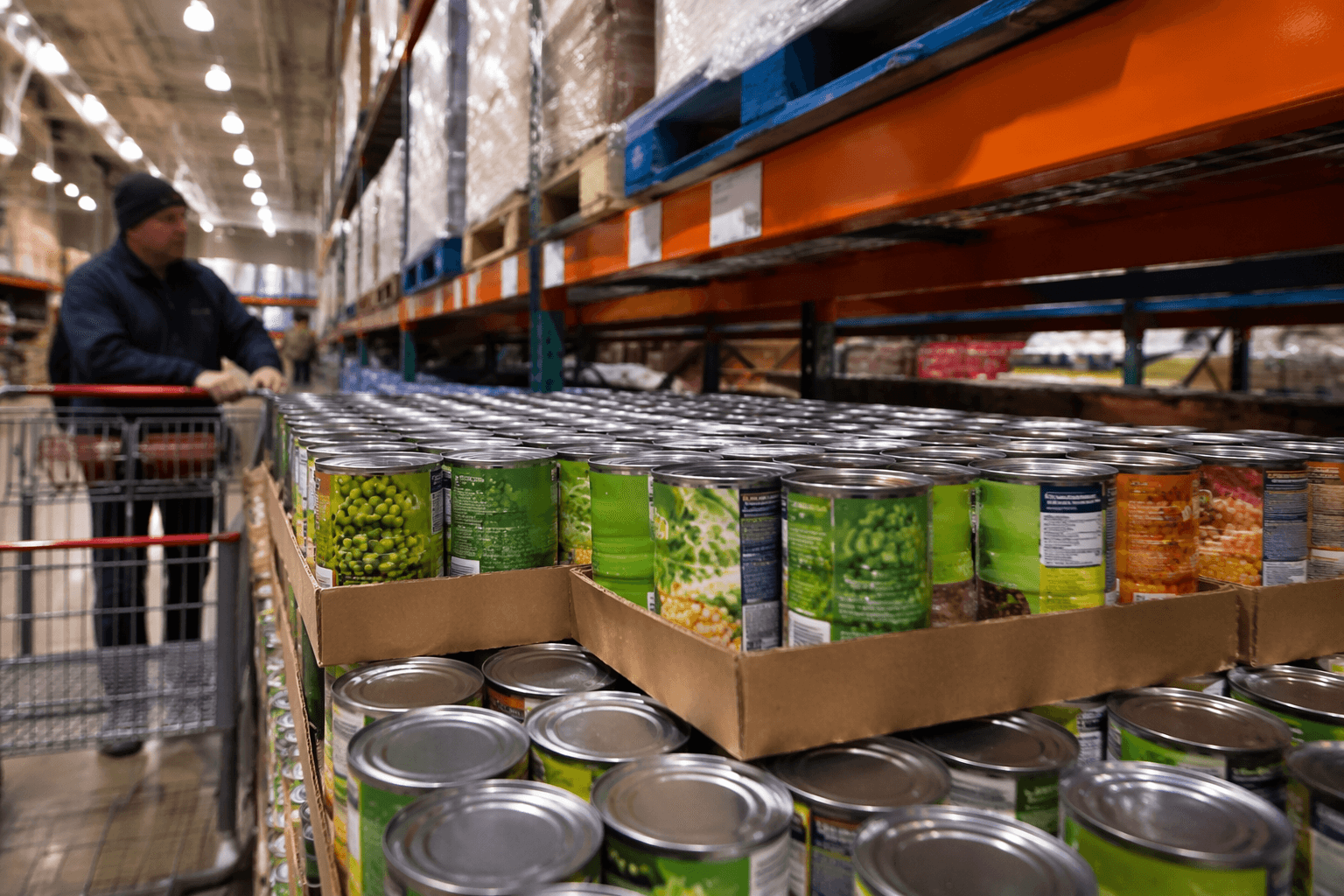
Canada has put a 10% tariff on canned vegetable imports, a temporary safeguard designed to give domestic processors breathing room as officials review whether a surge in foreign product is hurting the sector. The measure took effect on June 19, 2026, and can remain in place for no more than 200 days.
Finance Minister François-Philippe Champagne framed the move as a way to protect Canadian producers without abandoning food security or affordability for households. Ottawa said the tariff covers only canned vegetables in the safeguarded category, and it excludes imports from the United States, Mexico, Israel, Chile and developing countries because of Canada’s trade obligations.
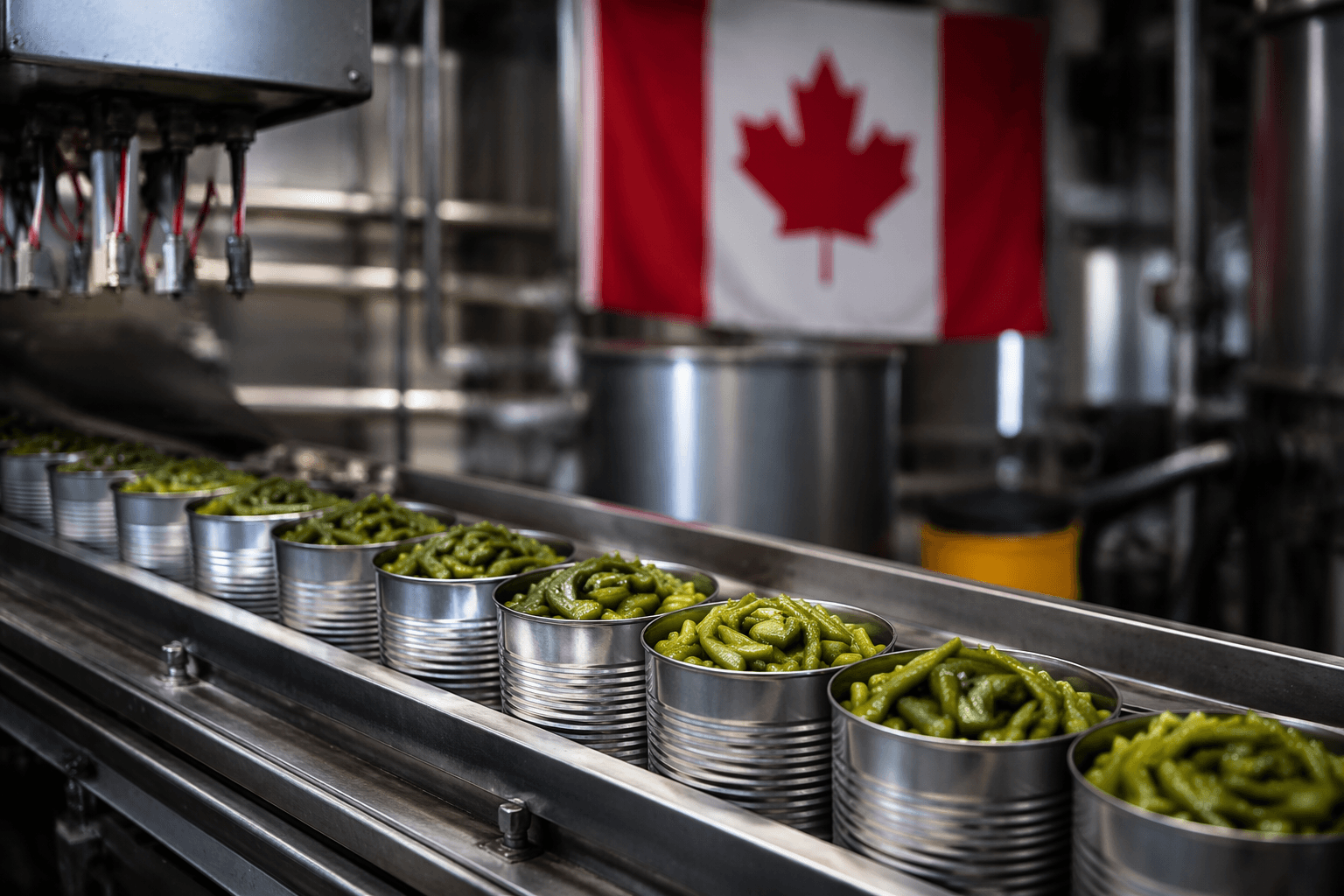
The decision followed a formal request from the Canadian Association of Vegetable Growers and Processors and comes as the Canadian International Trade Tribunal continues safeguard inquiry GC-2025-001. That inquiry began on March 16, 2026, and is expected to wrap up by September 9, 2026. If the tribunal finds that imports are not injuring Canadian vegetable processors, the tariff will be lifted. If it finds injury, it will recommend remedies.
Canada’s referral order said the import increase appeared linked to trade diversion and unforeseen developments in global trade. Officials also said restrictions imposed by some World Trade Organization members on vegetable goods may have pushed more product into Canada, increasing pressure on domestic processors that already face tight margins and volatile input costs.
The tariff is more than a narrow food-sector measure. Ottawa has paired it with a broader trade-response playbook that already includes counter-tariffs in other sectors and support programs for businesses affected by U.S. tariffs. That matters because the latest move lands in the middle of a larger North American trade fight, with Washington’s policies still reshaping supply chains and forcing Canadian officials to choose where to absorb pressure and where to push back.
For importers, the immediate effect is a higher cost on non-exempt canned vegetables entering Canada. For shoppers, the risk is that some of that cost filters into grocery prices if suppliers pass it along. For domestic processors, the safeguard is a signal that Ottawa is willing to use temporary trade barriers to preserve production capacity while the tribunal decides whether the import surge was a legitimate market shift or a threat that needs lasting relief.
This article was produced by Prism’s automated news system from verified source data, official records, and press releases, then run through automated quality and moderation checks before publishing. The system is built and supervised by the people who set the standards it runs under. Read our full AI policy.
Know something we missed? Have a correction or additional information?
Submit a Tip