Canada's Assault-Style Gun Ban Buyback Falls Short by Half
Canada's buyback of banned assault-style guns fell short by half, with up to 100,000 prohibited firearms potentially still in private hands despite costs estimated at $1.3 billion.
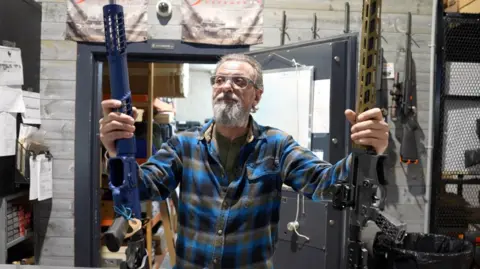
Canada's most ambitious gun control push in decades delivered roughly half of what it promised. A federal buyback program targeting up to 200,000 assault-style firearms prohibited under a sweeping 2020 ban retrieved only about half the projected number of weapons, with low owner participation emerging as the central obstacle to a program whose costs the Parliamentary Budget Officer estimated could reach $1.3 billion.
The ban itself moved swiftly. On May 1, 2020, less than two weeks after a gunman disguised as an RCMP officer killed 22 people across rural Nova Scotia in Canada's deadliest mass shooting, Prime Minister Justin Trudeau's government used an Order-in-Council to immediately prohibit more than 1,500 models of semi-automatic rifles and shotguns without a parliamentary vote. The prohibited list eventually expanded to approximately 2,500 models.
Bill C-21, introduced in February 2022 to codify the ban into statute and establish a formal buyback framework, crawled through Parliament amid contentious amendments and political opposition before receiving Royal Assent in December 2023. In the intervening years, amnesty periods for owners of newly prohibited firearms were extended multiple times, a signal of the logistical complexity the government had underestimated.
The buyback's shortfall reflects a recurring fault line in Canadian gun policy: the distance between announcement and execution. With the government estimating between 100,000 and 200,000 prohibited firearms still in circulation, retrieving even half that number required sustained compliance the program never achieved. The National Firearms Association and the Conservative Party of Canada argued the ban was both constitutionally overreaching and practically unenforceable, with the Conservatives pledging to reverse it if elected. Provinces including Alberta and Saskatchewan signaled they would not direct resources toward enforcing the federal prohibition.
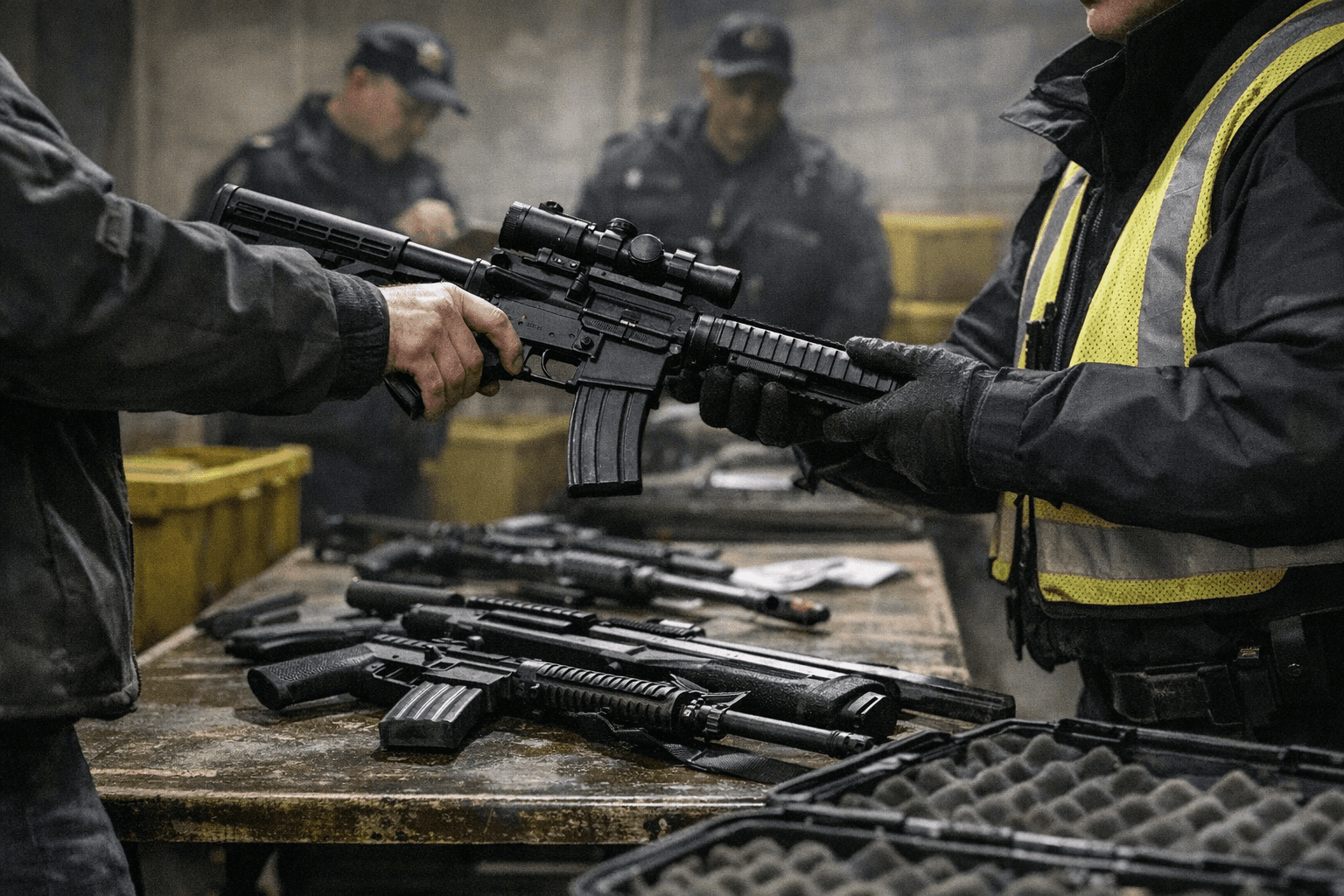
Gun control advocates, including PolySeSouvient, the group founded to honor the 14 women killed in the 1989 École Polytechnique massacre in Montreal, framed the buyback shortfall as a political failure of will rather than a design flaw. That massacre had spurred Canada's first major modern gun control legislation, and the Nova Scotia shooting carried similar weight in the policy calculus behind the 2020 Order-in-Council.
The historical parallel that looms largest is Canada's long-gun registry, which Stephen Harper's government scrapped in 2012 after it burned through more than $2 billion and became a symbol of costly, poorly implemented gun policy. The current buyback, with a projected price tag of $750 million to $1.3 billion for a retrieval rate that fell roughly 50 percent short of targets, risks cementing a similar legacy.
Whether the missed targets reflect structural design failures, insufficient enforcement mechanisms, or a fundamental mismatch between the ban's scope and the political realities of rural and western Canada, the result is the same: a significant share of the firearms the government declared prohibited in 2020 remain in private hands.
This article was produced by Prism’s automated news system from verified source data, official records, and press releases, then run through automated quality and moderation checks before publishing. The system is built and supervised by the people who set the standards it runs under. Read our full AI policy.
Did this article answer your question?

