Canadian crude pipeline nears shipper commitments, boosting U.S. export capacity
The project’s fate now turns on whether shippers will lock in about 450,000 barrels a day, a threshold that would unlock a new Canada-to-U.S. crude route.
A Canadian crude line into the United States is nearing the shipper commitments that could determine whether South Bow Corp. and Bridger Pipeline move ahead, turning a permit win into a real test of market demand. The key question is not just political support but whether oil companies will lock in enough long-term volume to justify the steel in the ground.
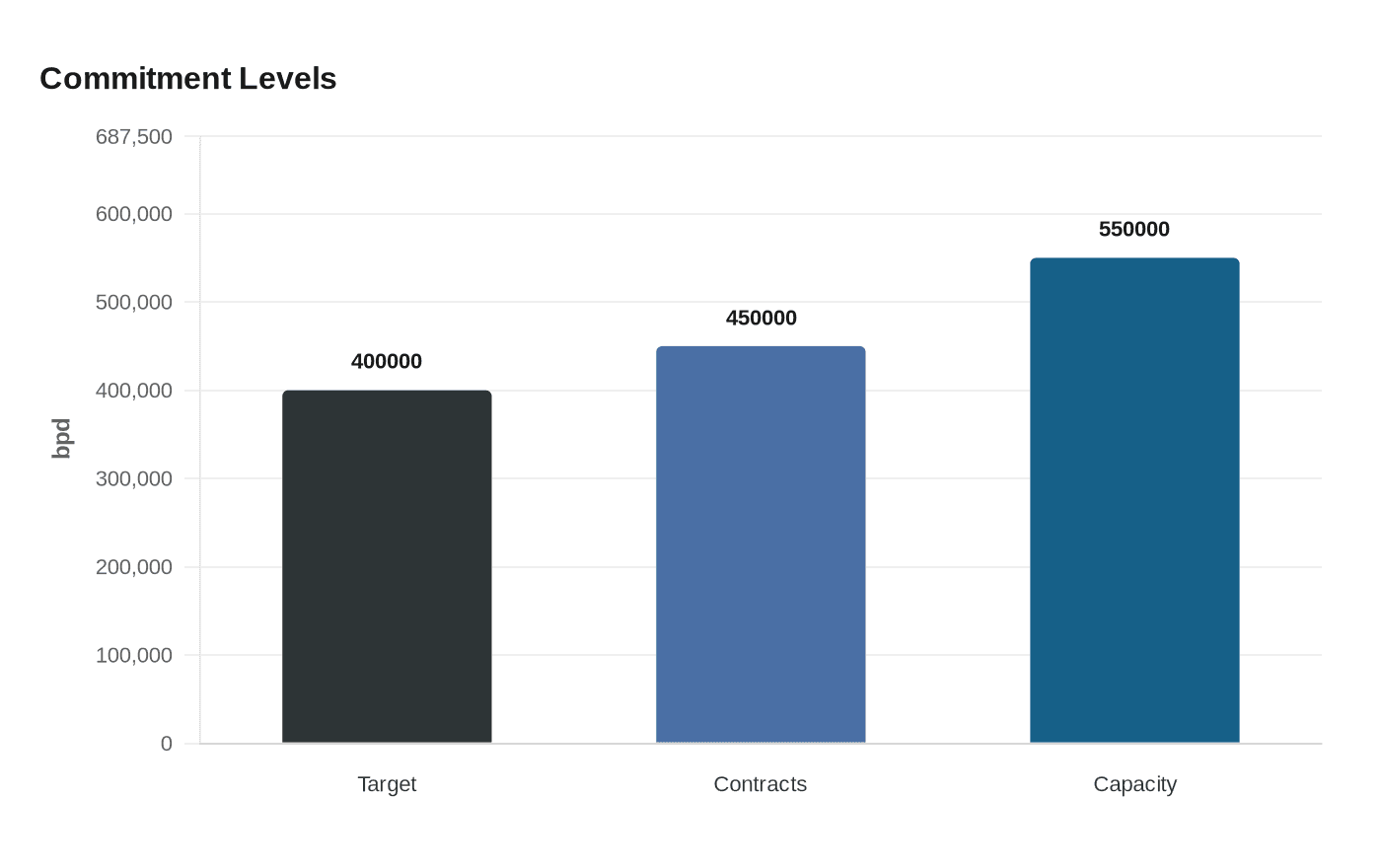
The target is roughly 400,000 barrels per day, about 72% of the project’s initial capacity, and South Bow and Bridger are now aiming for about 450,000 barrels a day in long-term contracts, a level that would clear the common 80% pre-construction threshold. Cenovus Energy, Canadian Natural Resources Ltd., Tamarack Valley, Whitecap Resources and Strathcona Resources were identified among the committed shippers. That kind of backing matters because pipeline economics depend on guaranteed throughput before investors commit capital.
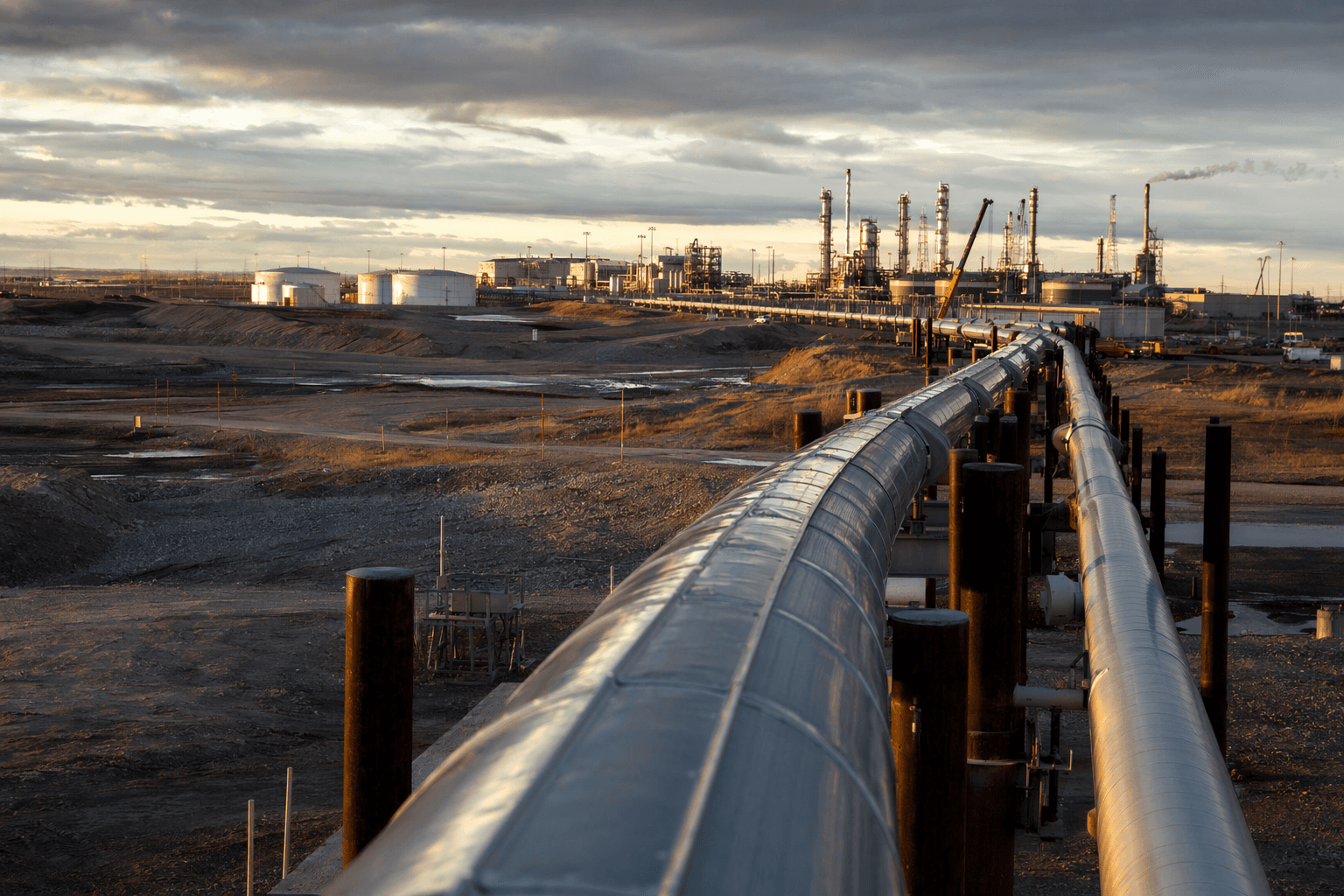
The route would run from Alberta to Guernsey, Wyoming, using parts of the old Keystone XL corridor. President Donald Trump signed a cross-border permit for the project on April 30, giving the proposal a major regulatory boost after years of uncertainty. Separate reporting described the Bridger proposal as a 645-mile pipeline capable of carrying up to 550,000 barrels per day, but Guernsey is not itself a major crude destination. Additional links would be needed to move barrels onward to bigger refining centers such as Cushing, Oklahoma, Patoka, Illinois and the U.S. Gulf Coast.

That downstream reality is what gives the project its North American energy-security value. Canada exported 4.2 million barrels per day of crude oil in 2024, and 95.7% of those exports went to the United States. U.S. crude imports from Canada hit a record 4.3 million barrels per day in July 2024 after the Trans Mountain expansion came online, underscoring how dependent both countries remain on cross-border oil flows. If built, the new line could raise Canadian crude exports to the United States by more than 12% and give producers another route when takeaway capacity tightens.
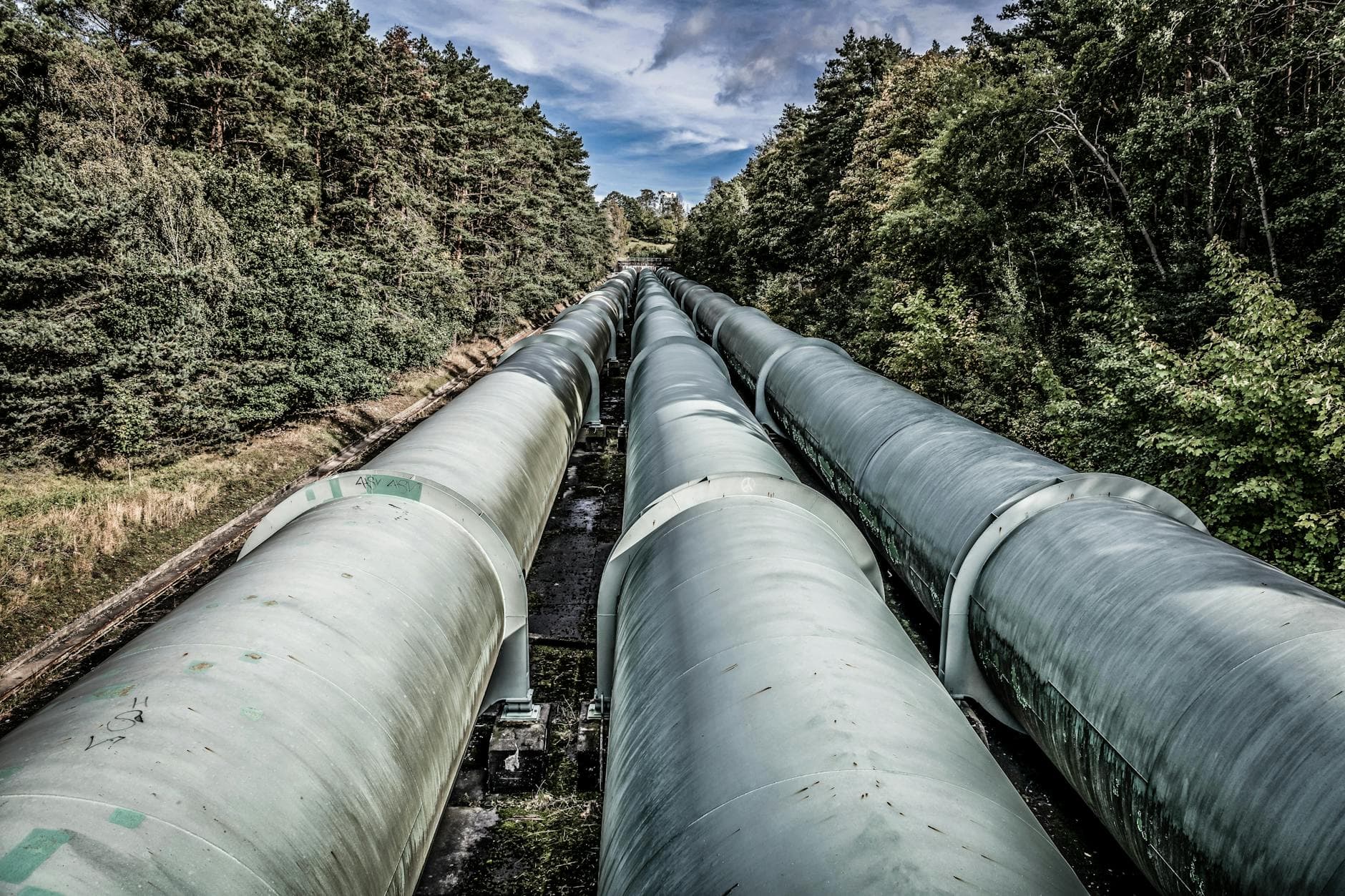
South Bow itself is a new standalone company, formed when TC Energy spun off its liquids pipeline business on October 1, 2024. Its existing system already links Alberta crude to refineries in Illinois, Oklahoma, Texas and the U.S. Gulf Coast, placing the company squarely in a market where refinery demand, cross-border logistics and export access all meet. The revival of Keystone XL-era infrastructure, after Joe Biden revoked the permit in 2021, shows how energy resilience and climate-driven permitting opposition are still colliding over North American oil infrastructure.
This article was produced by Prism’s automated news system from verified source data, official records, and press releases, then run through automated quality and moderation checks before publishing. The system is built and supervised by the people who set the standards it runs under. Read our full AI policy.
Did this article answer your question?