Canadian ICC judge sues Trump administration over sanctions retaliation
Kimberly Prost and two ICC colleagues say Trump’s sanctions were retaliation for judicial scrutiny. The lawsuit raises whether an executive branch can financially squeeze judges for doing their jobs.
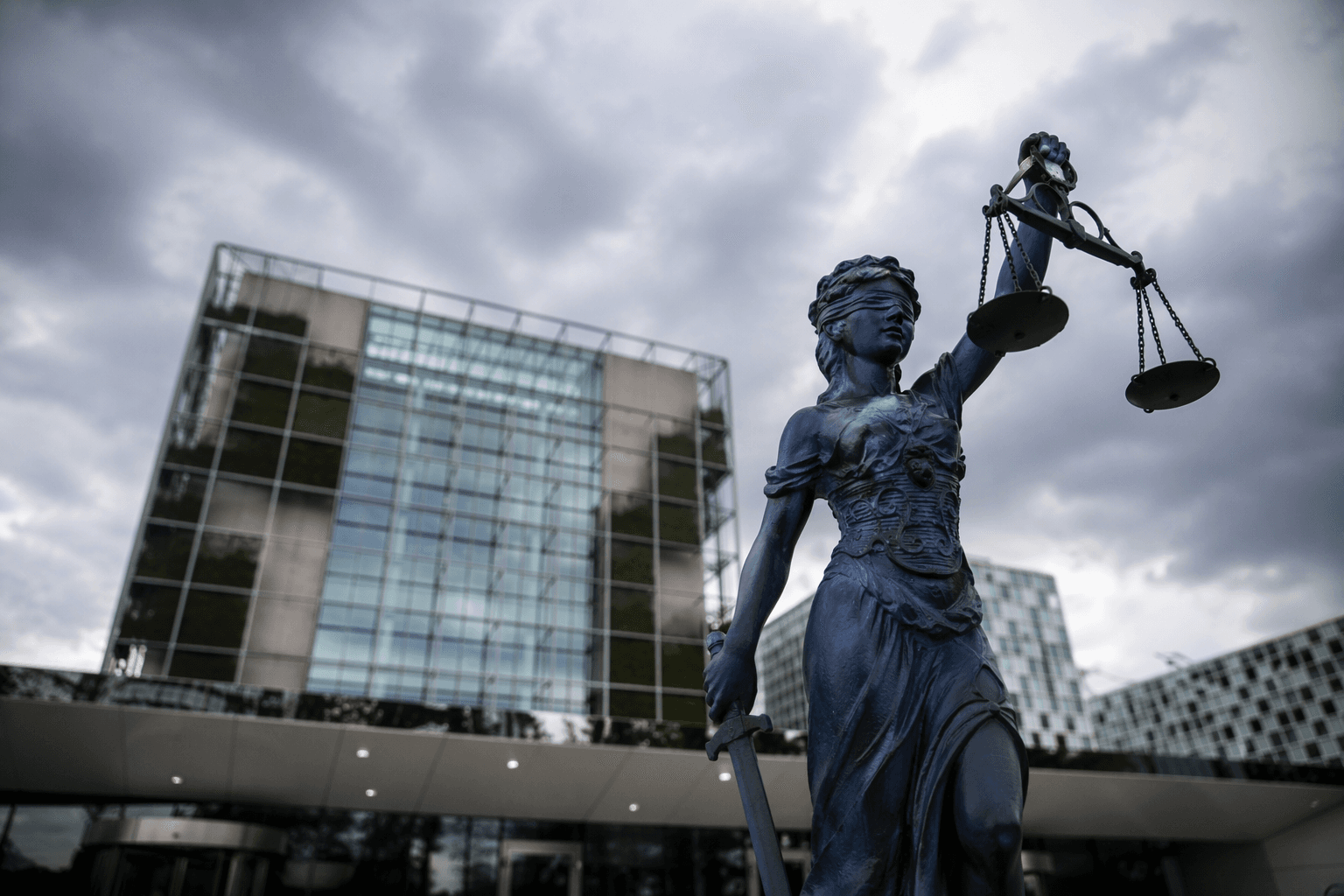
Kimberly Prost, a Canadian judge at the International Criminal Court, has sued the Trump administration alongside two colleagues, arguing that the sanctions campaign was retaliation for judicial work the White House wanted to punish. The case turns a long-running clash with the court in The Hague into a direct test of whether a U.S. president can target judges and prosecutors for decisions that crossed American and Israeli interests.
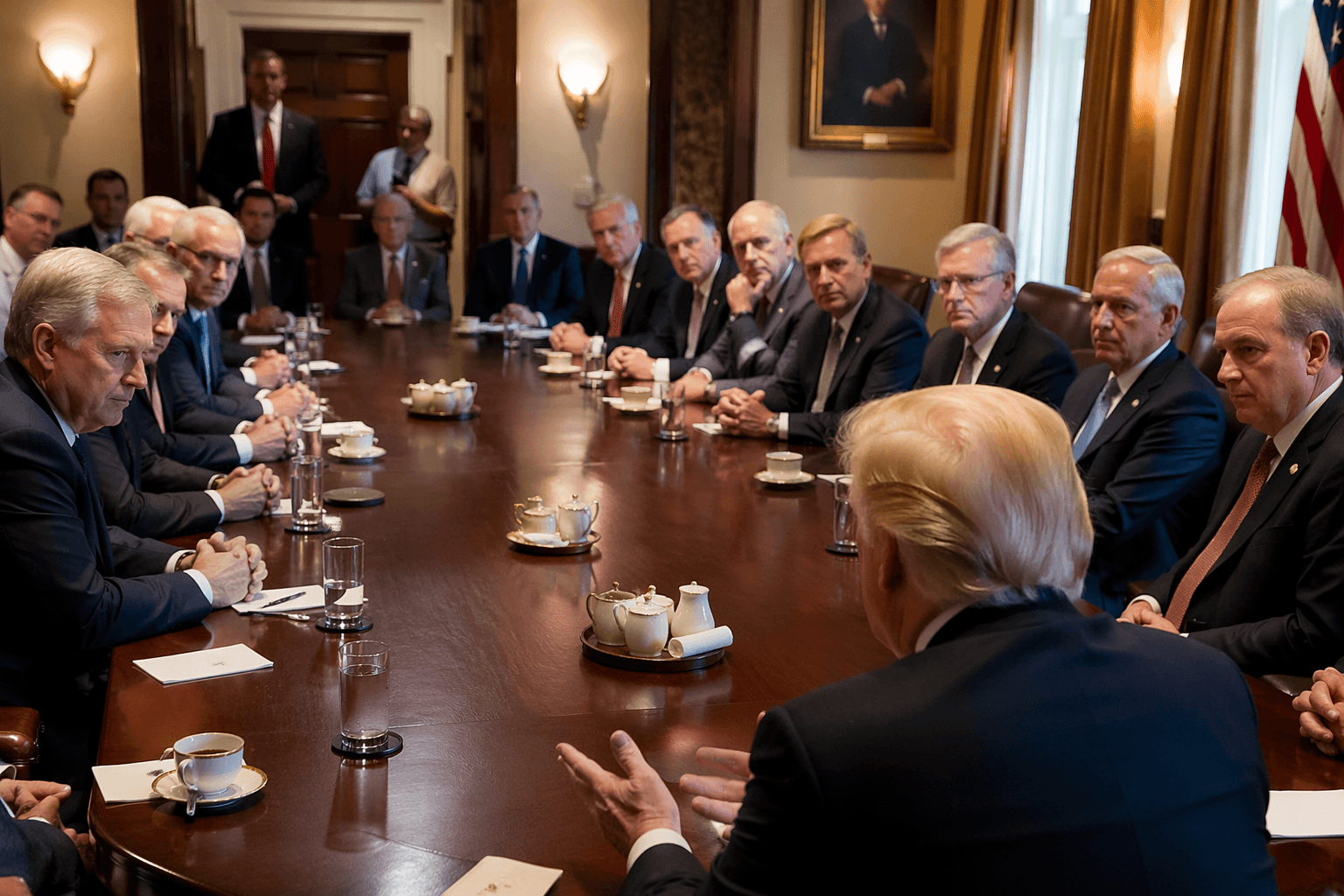
Donald J. Trump signed Executive Order 14203 on February 6, 2025, calling the ICC’s actions “illegitimate and baseless” and saying the court had no jurisdiction over the United States or Israel because neither is a party to the Rome Statute. The administration framed the sanctions as a response to ICC efforts to investigate, arrest, detain, or prosecute nationals of the United States or Israel without consent. The order sharpened a conflict that had already widened from Afghanistan to Palestine, Gaza and the West Bank, where the court had pursued war-crimes allegations.

The State Department escalated the pressure through 2025. On June 5, it said it was sanctioning four ICC judges, and on August 20 it designated Prost, Nicolas Guillou of France, Nazhat Shameem Khan of Fiji and Mame Mandiaye Niang of Senegal. Marco Rubio said the four had directly engaged in ICC efforts against U.S. or Israeli nationals. Reuters tied Prost to the court’s authorization of an investigation into alleged war crimes and crimes against humanity by U.S. personnel in Afghanistan, while the August designations also reached judges and prosecutors connected to Israel-related cases.
The ICC responded that the sanctions were a clear and flagrant attack on the independence of an impartial judicial institution. The Assembly of States Parties called the U.S. measures regrettable attempts to impede the court’s independent judicial functions. That language matters because the dispute now goes beyond diplomacy and into the basic mechanics of rule of law: whether judges can issue warrants and authorize investigations without fearing personal financial punishment from the world’s most powerful government.
The practical consequences were already spreading beyond courtroom politics. Reports in early 2026 said some sanctioned ICC judges faced disruptions to credit cards and digital services tied to U.S. companies, a reminder that sanctions can reach into ordinary banking and communications long before they are tested in court. For U.S. allies, international prosecutors and future war-crimes investigators, the case asks whether legal scrutiny of state power can be answered with economic retaliation.
This article was produced by Prism’s automated news system from verified source data, official records, and press releases, then run through automated quality and moderation checks before publishing. The system is built and supervised by the people who set the standards it runs under. Read our full AI policy.
Know something we missed? Have a correction or additional information?
Submit a Tip