Canadian Rangers complete largest Arctic mission in 80 years
1,300 troops crossed 5,200 km of ice and tundra in a mission that showed how climate change, logistics and sovereignty are reshaping Arctic defense.
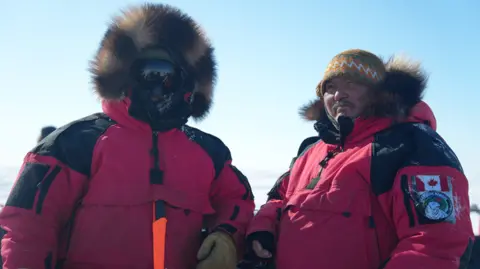
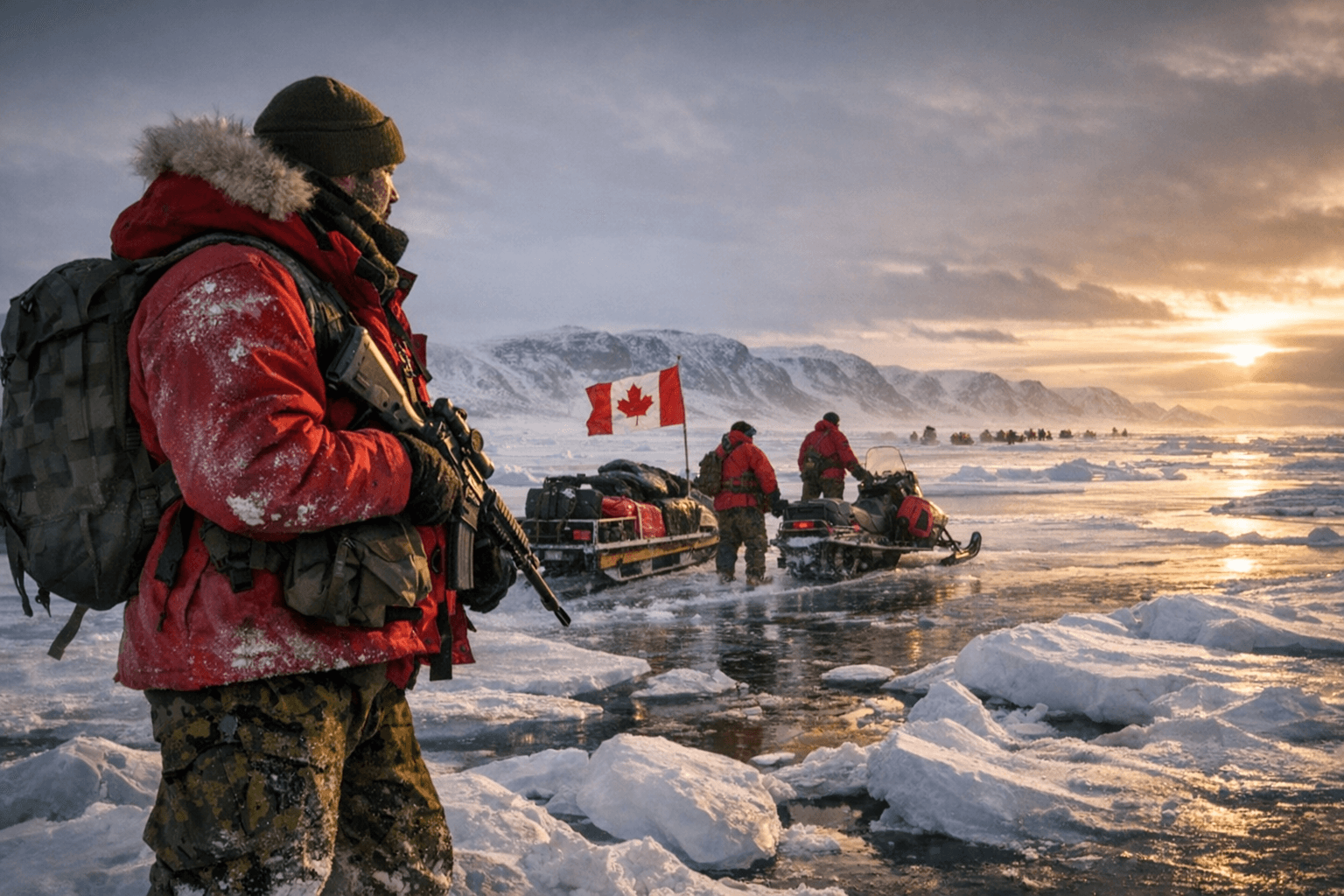
The Canadian Rangers have finished the largest northern mission in their 80-year history, a 5,200-kilometre patrol that pushed 1,300 military personnel across Canada’s Arctic as melting ice turns the far north into a harder, and more strategic, place to defend.
The patrol ended Friday in Churchill, Manitoba, after two winter months of snowmobile travel, ice camps and temperatures that plunged to minus 60 C, or minus 76 F. Troops faced blizzards, high winds, polar bears, frostbite and cold-weather dehydration on a route that had not been attempted in 80 years. The exercise was part of Operation Nanook-Nunalivut, the winter component of Canada’s signature Arctic drill, and officials described this year’s version as the largest to date.
The scale reflected a broader shift in Canadian defense planning. The Arctic covers about 40% of Canada’s landmass and 70% of its coastline, and Ottawa has increasingly framed the region as a national priority as thawing ice opens access to oil, gas, minerals and fish. This year’s operation stretched across Yukon, the Northwest Territories and Nunavut, with allies from the United States, Belgium, France and Denmark taking part alongside Canadian forces.
Canadian Armed Forces officials say Arctic operations are meant to detect, deter and, if required, defend against threats across land, maritime, air, cyber and space domains. The 2026 Arctic program will run through multiple Nanook serials, including NANOOK-NUNALIVUT, NANOOK-NUNAKPUT, NANOOK-TUUGAALIK, NANOOK-TAKUNIQ, NANOOK-TATIGIIT and NANOOK-QIMAAVIVUT, with support from Northern Operational Support Hubs designed to improve presence, reach, mobility and responsiveness.
The mission also landed in a sharper geopolitical moment. U.S. President Donald Trump’s threat in January to annex Greenland unsettled leaders across Canada and Europe and renewed questions about Arctic sovereignty and allied deterrence. Brig. Gen. Daniel Rivière, commander of Joint Task Force North, said the remark had “zero effect” on how Canadian and allied forces work together. He said the core challenge in the Arctic is not just surviving the cold but keeping command, communications and logistics working when extreme temperatures make equipment fail quickly.
Lt.-Col. Bryn Wright, commanding officer of The Loyal Edmonton Regiment, said the mission also protects infrastructure that northern communities rely on, including airfields and hydroelectric sites. He said security in the North depends on relationships with local communities and public infrastructure operators, and that in extreme cold, drones can fail in flight and “staying alive is a big part of it.”
Prime Minister Mark Carney has promised a larger Arctic footprint, including new military sites, over-the-horizon radar from Australia and $253 million for northern reconciliation measures such as power-plant upgrades, a hydroelectricity project and housing repairs in Nunavut. In Canada’s north, military readiness is now inseparable from climate change, infrastructure and the race to hold the Arctic line.
This article was produced by Prism’s automated news system from verified source data, official records, and press releases, then run through automated quality and moderation checks before publishing. The system is built and supervised by the people who set the standards it runs under. Read our full AI policy.
Did this article answer your question?


