Cannes loses major Hollywood studio premieres as AI debate dominates festival
Cannes opened without a major Hollywood studio premiere for the first time since 2017, while AI fears and independent films filled the gap.
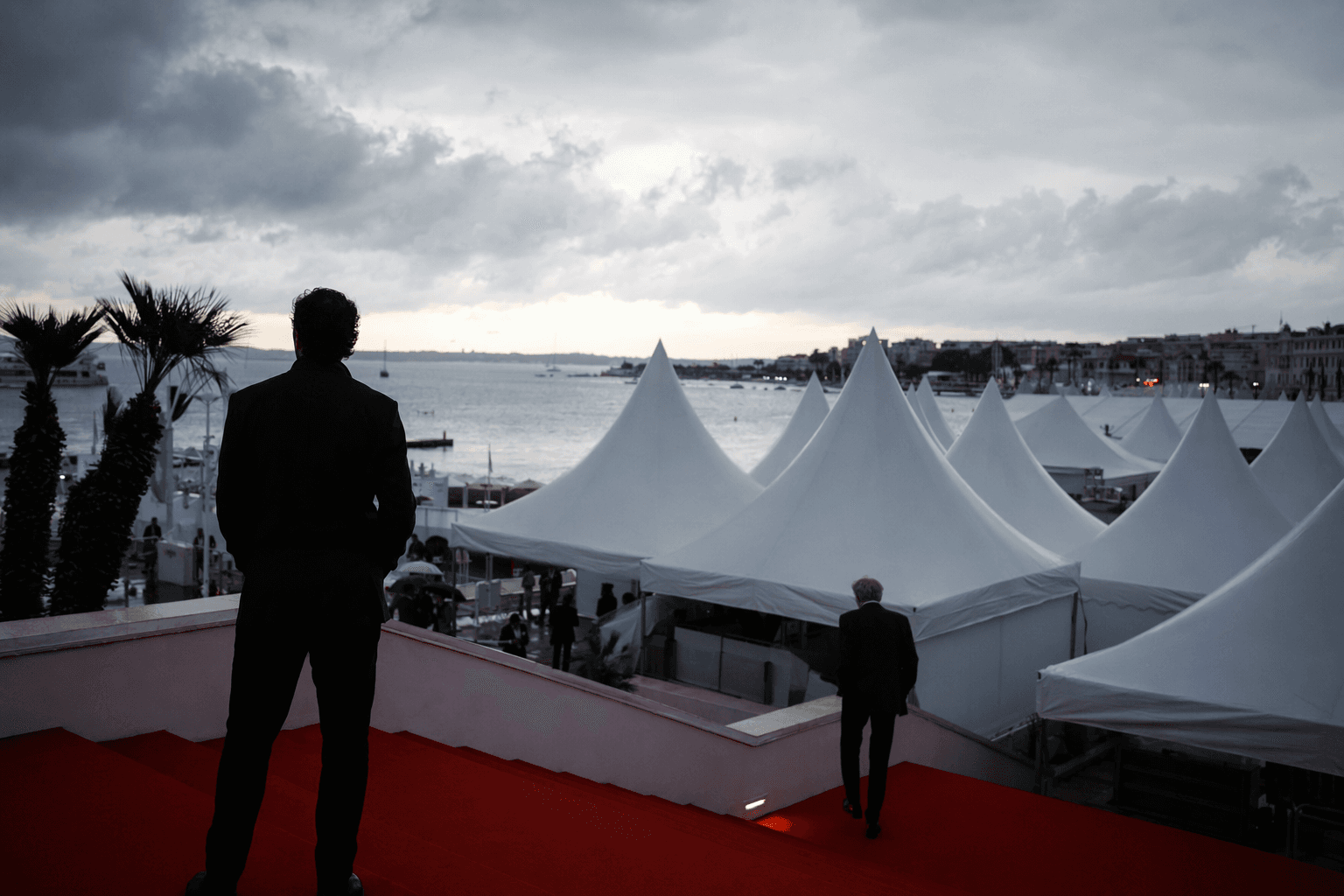
Cannes opened with no major Hollywood studio film premiering for the first time since 2017, a striking sign that the festival’s power once rooted in studio prestige has started to slip. The 79th Cannes Film Festival, which began on May 12 and runs through May 23, still brought 22 films into the Palme d’Or competition, but the U.S. presence came mostly from independent and auteur work, not the blockbuster titles that once turned the Croisette into a launchpad.
That absence mattered because Cannes was built, in part, on the marriage of Hollywood money and French Riviera glamour. Thierry Frémaux, who arrived in 2001 with a mandate to build a bridge to Hollywood, said on April 8 that “the U.S. will be present [at this year’s festival], the studios less [so].” He added on May 11, “I hope the studio films come back.” The line between festival prestige and studio marketing has been narrowing for years, but this year’s lineup made that shift impossible to ignore.
The U.S. titles that did make it, including James Gray’s Paper Tiger with Scarlett Johansson, Adam Driver and Miles Teller, and Ira Sachs’ The Man I Love with Rami Malek, came through the independent lane. That left Cannes to lean harder on anniversary programming and old franchise nostalgia, including a Midnight Screening of The Fast and the Furious for its 25th anniversary, with Vin Diesel, Michelle Rodriguez, Jordana Brewster, producer Neal H. Moritz and Meadow Walker attending. Guillermo del Toro also returned for anniversary programming around Pan’s Labyrinth.
The studio retreat reflected more than timing. Major titles were not finished in time, and in other cases executives did not see the point of spending millions to promote movies that would not reach theaters for months. Bringing A-list talent, travel, accommodations and security to Cannes can run into seven figures, and studios have become more cautious after recent high-profile stumbles tied to the festival, including Indiana Jones and the Dial of Destiny, Elemental and Furiosa. Social-media pile-ons and the possibility of a bad Cannes response going viral have also made some companies more wary.
Off-screen, the festival’s loudest debate has been about artificial intelligence. Cannes has been shadowed by a dispute over AI, with Frémaux and thousands of French actors and filmmakers warning about job losses and the broader effects on the industry. That argument, paired with the absence of major Hollywood studios, has given the 2026 edition a different tone: less a parade of studio power, more a referendum on what fills the vacuum when that power steps back.
Know something we missed? Have a correction or additional information?
Submit a Tip