Carabinieri NAS Discover Insect-Infested Dried Pasta at Bassa Reggiana Supermarket
Carabinieri NAS found dried pasta packages visibly infested with pantry insects at a Bassa Reggiana supermarket, a food-safety issue shoppers should check for at home.
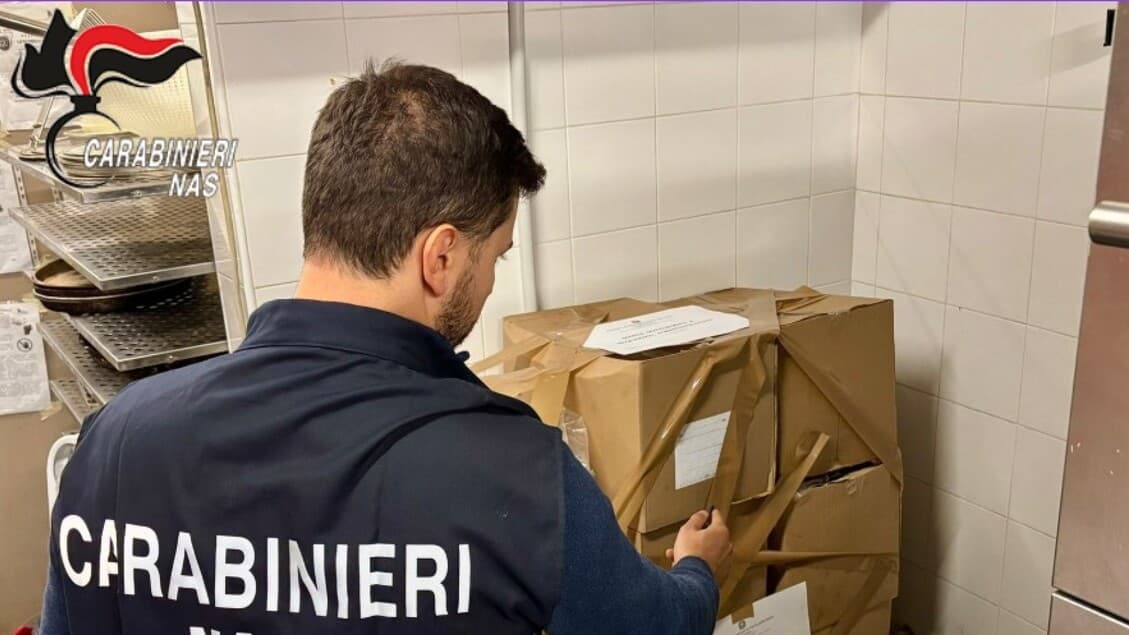
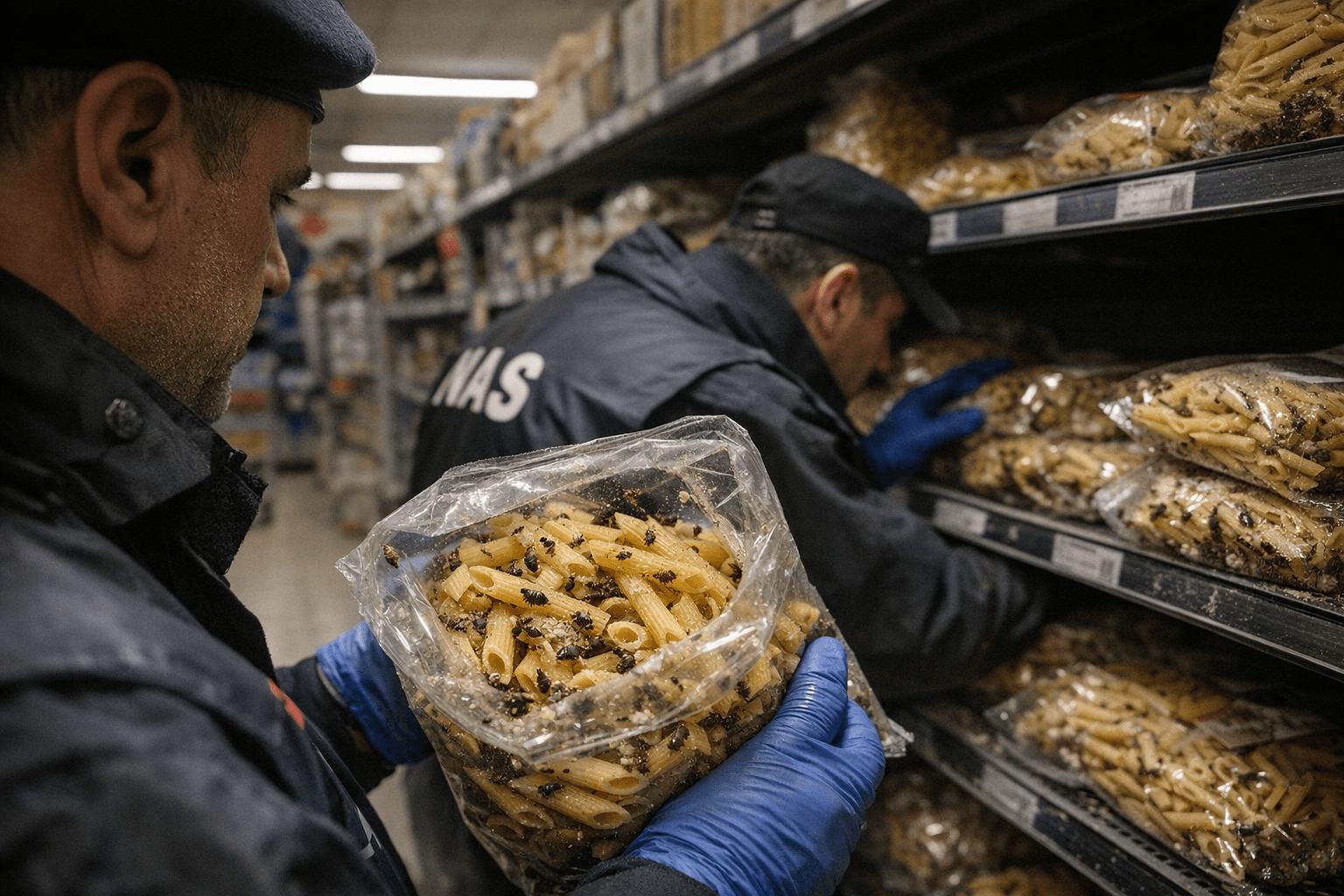
Health inspectors from the Carabinieri NAS found several packages of dried pasta visibly contaminated with insect pests during an inspection at a supermarket in the Bassa Reggiana area on February 1, 2026. The insects were identified in reports by the description commonly used locally as "punteruoli della," and the visible contamination prompted concern for both store stock and household pantries.
Carabinieri NAS is the specialized health and food-safety unit that carries out checks on retail outlets, and the discovery underscores how dried goods can become vectors for pantry pests when packaging or storage is compromised. Dried pasta is not sterile; eggs and larvae of beetles and other pantry insects can survive in flour and semolina products, then hatch and become visible in the store shelf stock. For shoppers, that means an affected purchase can introduce infestations at home.
Practical steps matter. Inspect packaging before buying: look for holes, webbing, small grains of frass or active larvae visible through transparent windows. If a package is swollen, torn, dusty, or contains moving insects, set it aside and notify store staff. At home, transfer dried pasta and other grains into airtight containers made of glass or sturdy plastic to block reinfestation. Freezing newly bought dry goods for 48-72 hours or storing them in the refrigerator for a short period can kill eggs and newly hatched larvae before they establish in the pantry.
For retailers and community food-oriented groups, this incident is a reminder to rotate stock frequently, keep backroom storage cool and dry, and inspect bulk or display packaging regularly. Small changes in handling - tighter seals on boxes, quick removal of damaged packages, and periodic checks of older inventory - reduce the chance that a single infested box will spread pests through pallets or shelving.
The discovery in Bassa Reggiana is also a cue for local producers and home cooks who make pasta from stored semolina or whole grain flours. Store raw ingredients in airtight containers, label with purchase dates, and practice first-in, first-out use to limit long storage times that increase risk.
What comes next will depend on follow-up checks by health authorities and any remedial steps taken by the supermarket. For shoppers, the takeaway is immediate and actionable: visually check pasta packages in store and secure your pantry at home. Small inspection habits now can prevent the crunchy surprise no one wants in their plate of pasta.
Know something we missed? Have a correction or additional information?
Submit a Tip