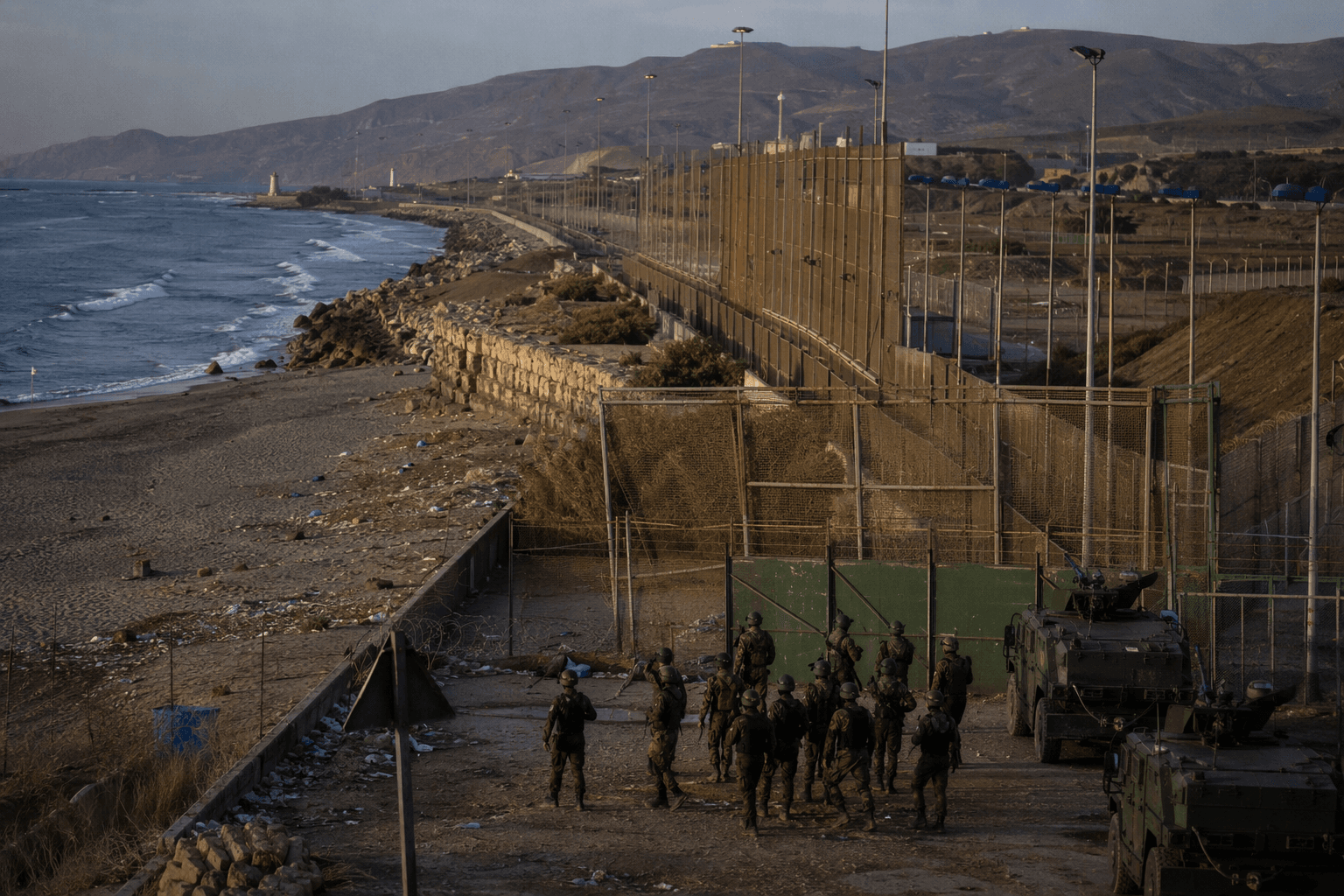
Caribbean governments race to contain growing sargassum crisis
Hundreds of hotel workers and Navy crews were clearing record sargassum at dawn as Caribbean governments tested barriers, boats and biofuel ideas.
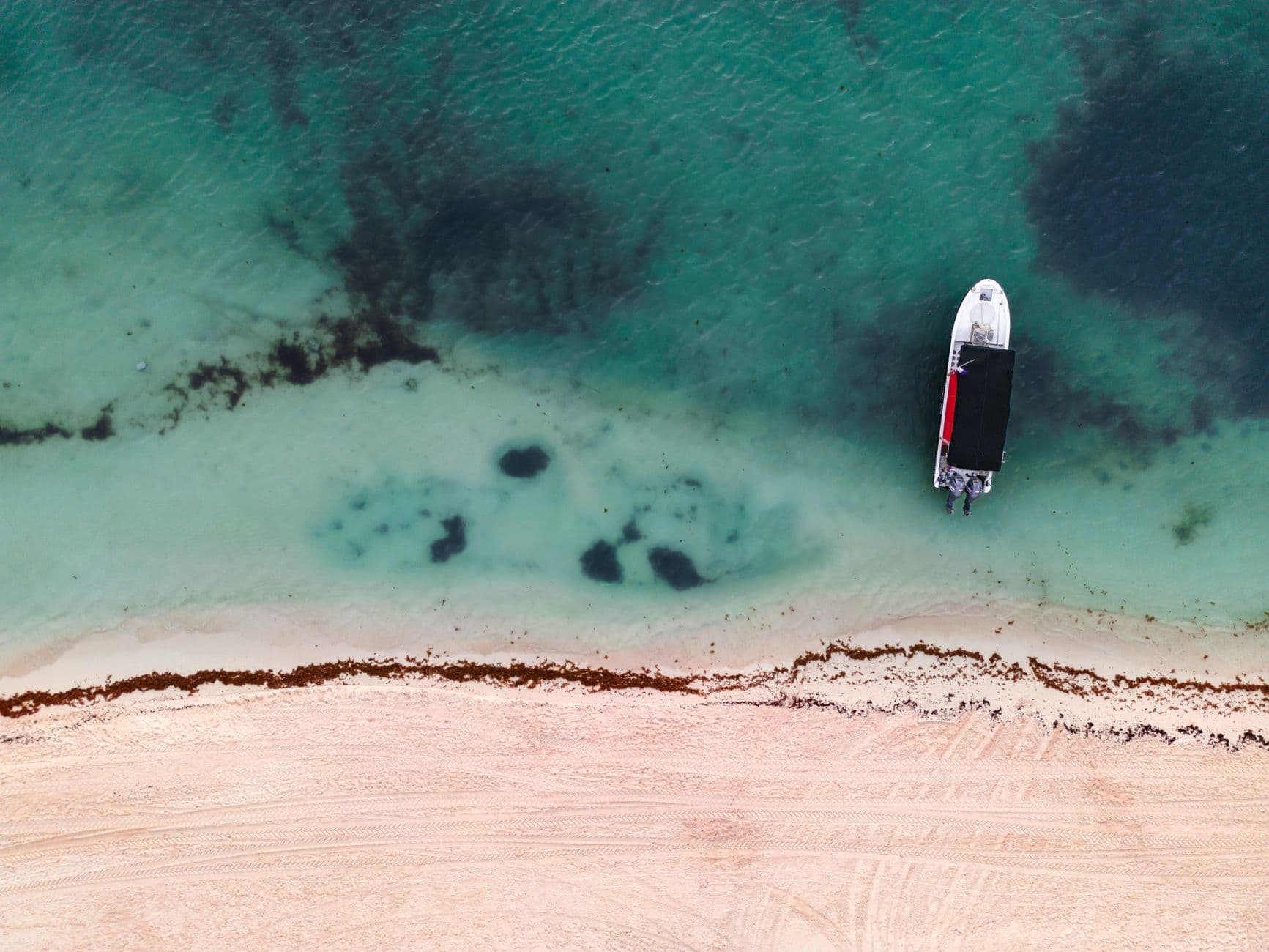
Hundreds of Mexican hotel workers, tractor operators and specialized Navy personnel fanned out at dawn to clear record masses of rotting sargassum from beaches in Playa del Carmen, Tulum and Puerto Morelos. The buildup turned hotel-zone sand into a daily cleanup zone and kept cutting into tourism along Mexico’s Caribbean coast.
Across the region, governments and coastal businesses are moving beyond emergency shoveling and into a faster-growing response economy built around floating barriers, collection boats and experiments that could turn the brown algae into fuel or other products. If sargassum arrives in huge, recurring mats, intercepting it offshore or processing it after collection may be cheaper than endlessly hauling it off the beach. Barriers must be positioned in the right water, boats have to lift wet biomass efficiently, and any biofuel project must overcome collection costs, processing capacity and market demand.
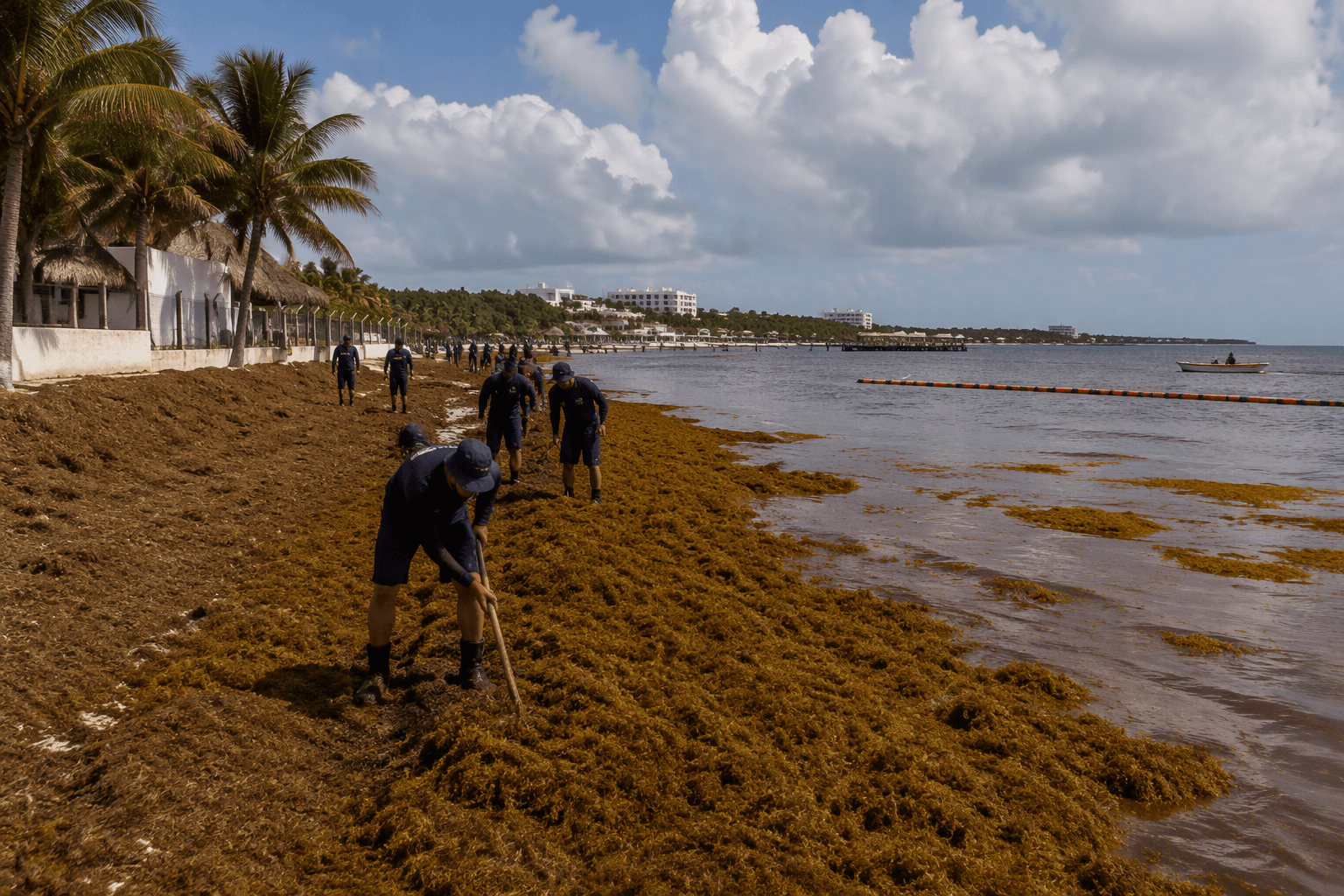
NOAA’s Atlantic Oceanographic and Meteorological Laboratory said on July 30 that sargassum is a recurrent problem in the Caribbean and Gulf of America regions. NOAA and the University of South Florida jointly operate the Daily Sargassum Inundation Risk system. USF’s Sargassum Watch System links monitoring and forecasting floating sargassum to integrated risk-management, mitigation and adaptation strategies.
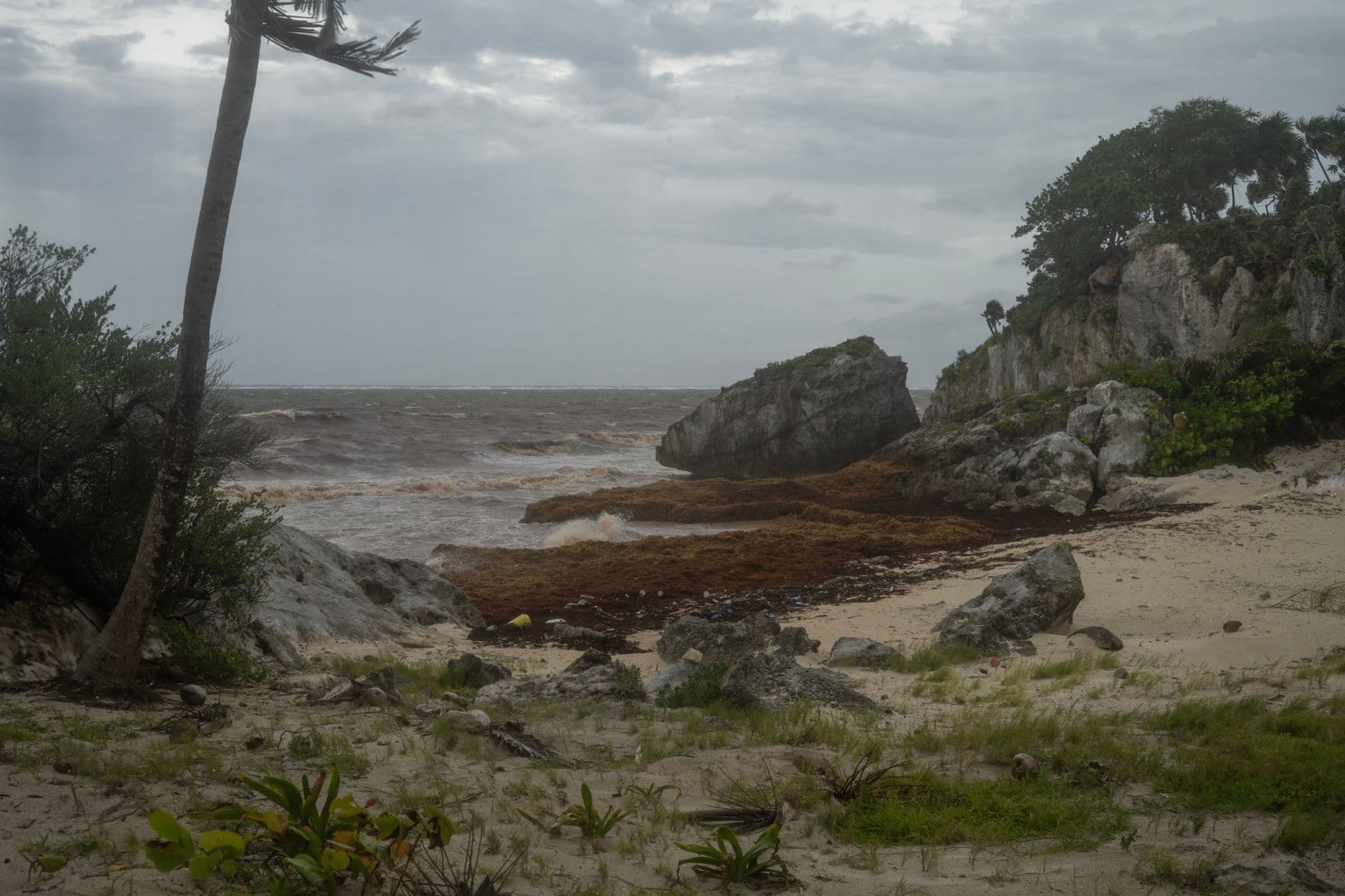
The Mexican Navy’s role has become more visible as the mats have thickened. Reuters Connect imagery from July 22 showed Navy personnel collecting seaweed from a beach in Tulum’s hotel zone, while video from July 28 showed cleanup operations in Playa del Carmen as the coastline was blanketed in brown algae. Mexico and the Dominican Republic proposed joint efforts to fight the seaweed.
This article was produced by Prism’s automated news system from verified source data, official records, and press releases, then run through automated quality and moderation checks before publishing. The system is built and supervised by the people who set the standards it runs under. Read our full AI policy.
Did this article answer your question?