Four bodies recovered after Broad Peak avalanche, Nirmal Purja still missing
Four climbers were found dead after a Broad Peak avalanche, while Nirmal Purja remained missing as weather grounded helicopter rescue efforts.
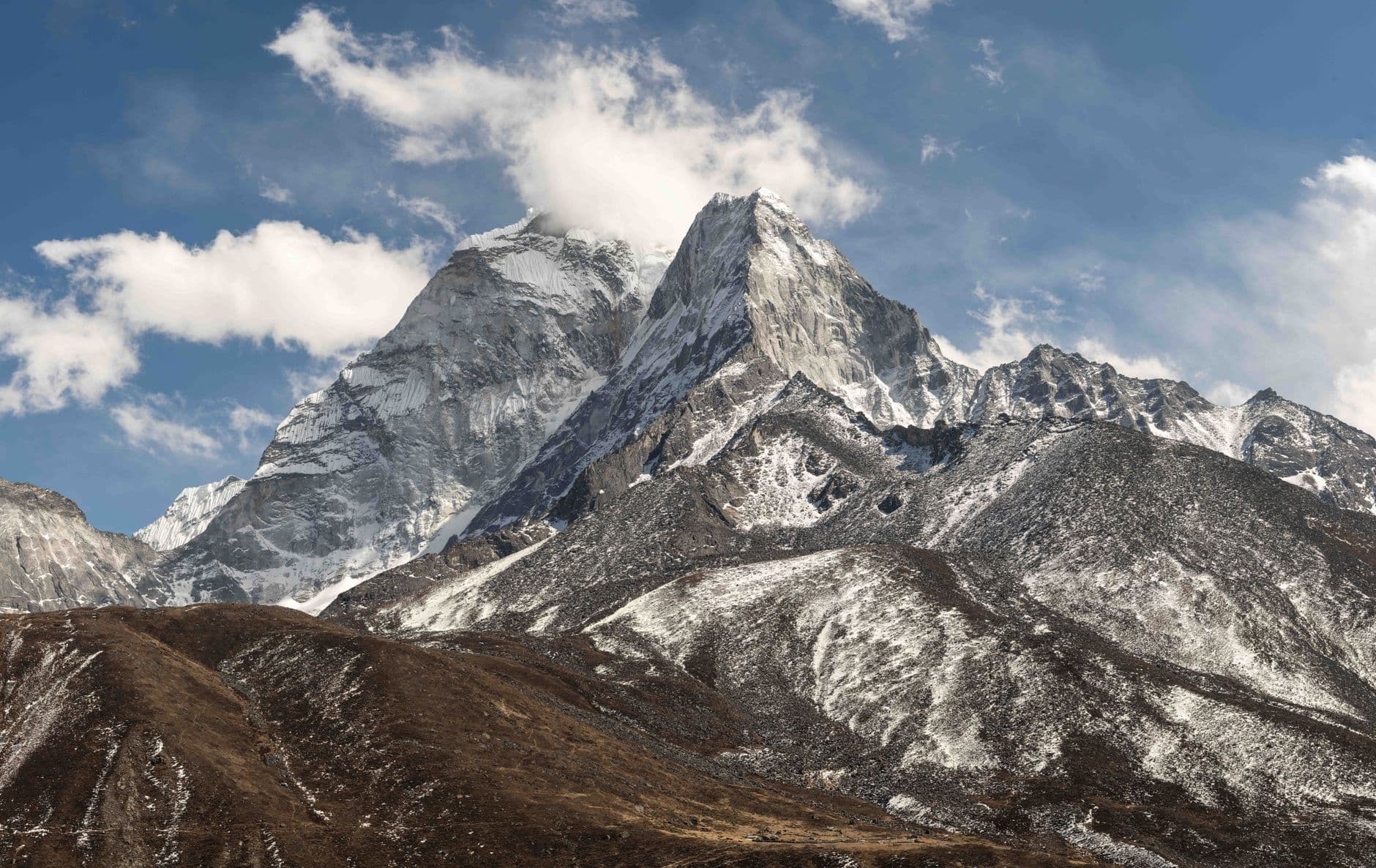
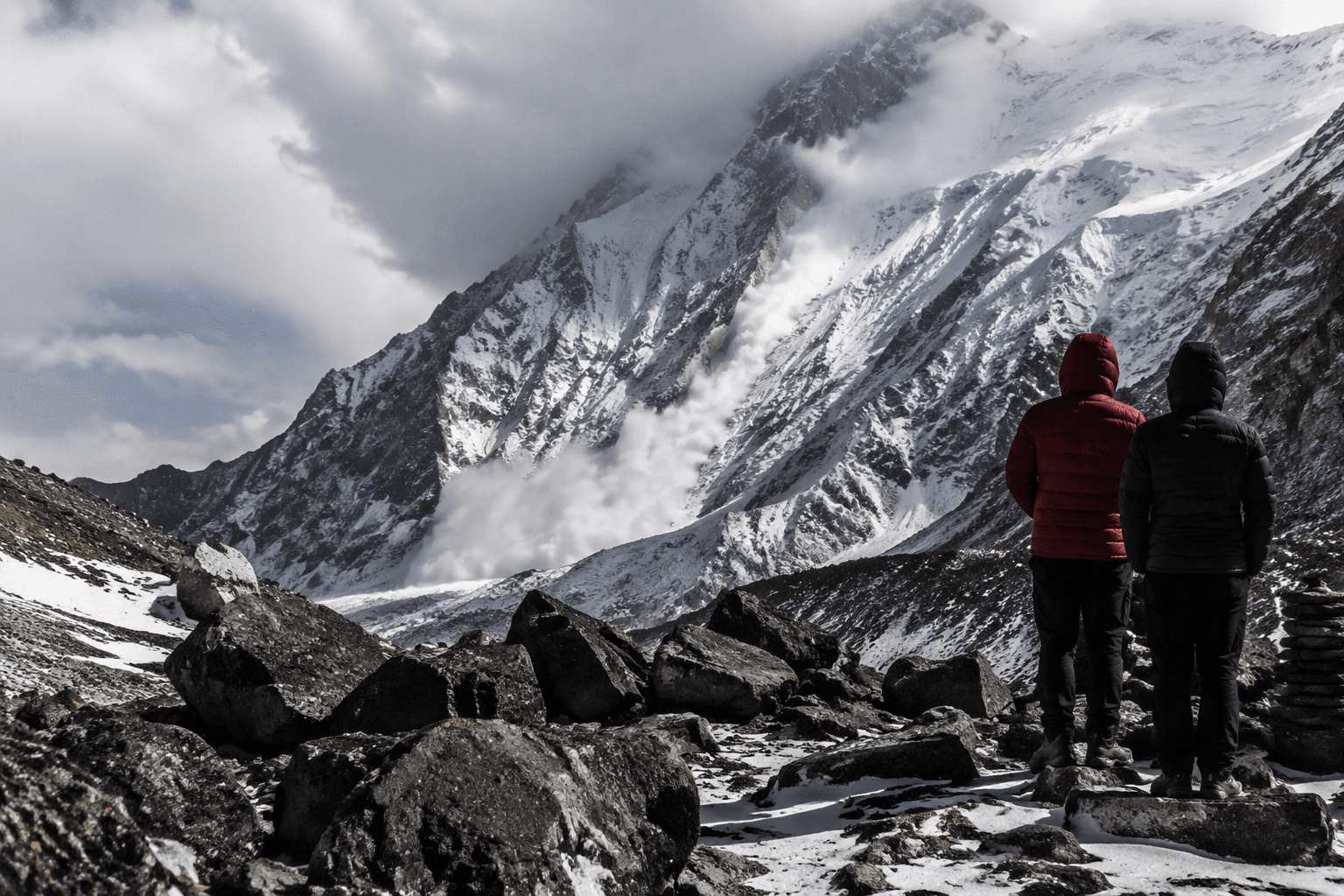
Four bodies had been recovered from Broad Peak by Friday after an avalanche swept an international climbing team at about 7,000 meters on Pakistan’s 8,047-meter peak. Six climbers were still missing, including Nirmal Purja, one of mountaineering’s best-known names.
Rescue crews were searching for 10 climbers when they found the bodies on Friday, July 31, after the avalanche struck on Thursday, July 30. The search was backed by Pakistan’s military, and helicopters were staged in Skardu, but bad weather slowed flights and made each lift into the Karakoram range far more difficult than the last.
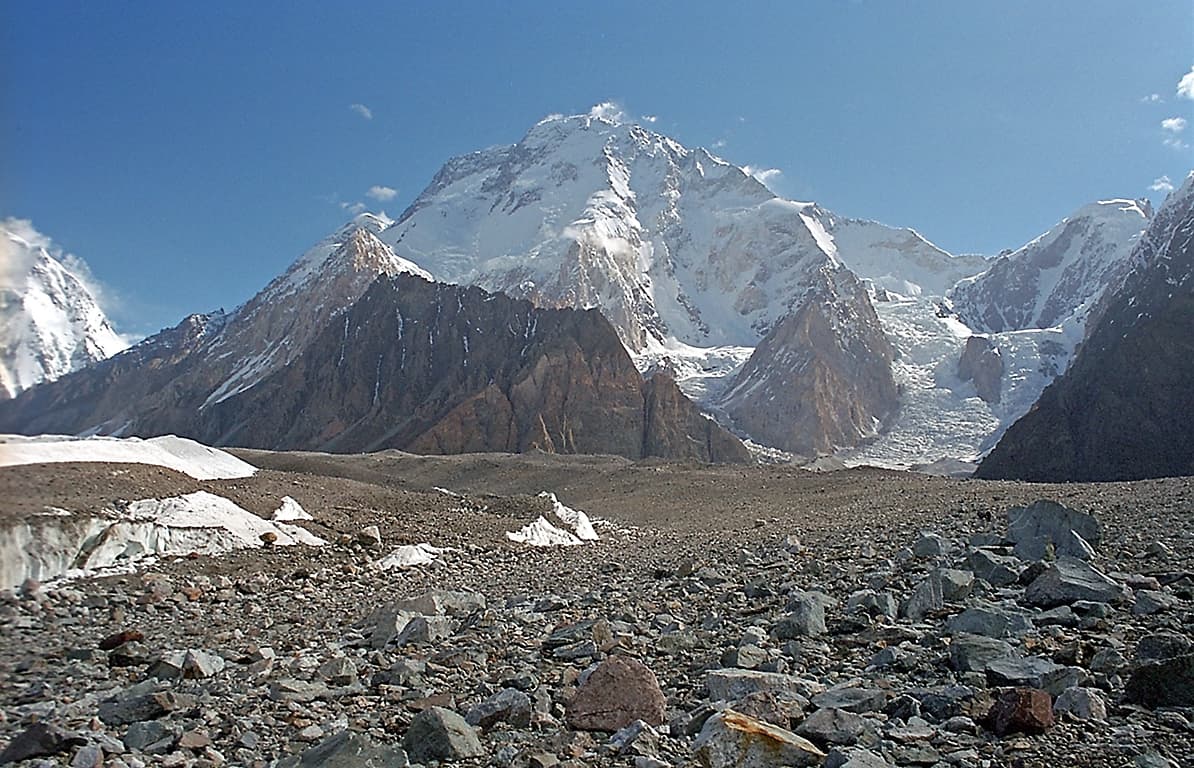
Broad Peak is the world’s 12th-highest mountain, and the avalanche hit the team well below its summit, around 7,000 meters, where the mountain’s steep upper slopes and thin air leave little margin for error. Once a slide tears through that altitude, recovery becomes a race against weather, visibility and terrain that can cut off both ground teams and aircraft.
The climbing party was an international expedition of 10 people reportedly from Nepal, the United States, China, Pakistan and Oman. Among the missing was Purja, also known as Nims Purja, the Nepali mountaineer featured in the Netflix documentary 14 Peaks and a member of the all-Nepalese team that first summited K2 in winter in 2021.
U.S. media identified one of the American climbers as Mallory Geis, a 39-year-old from San Antonio, Texas. Her name was among the most closely watched as the search unfolded, alongside the other climbers still unaccounted for on Broad Peak’s upper slopes.
The sequence of recoveries underscored how quickly information can shift in a mountain emergency. Early reports on Friday put the number of bodies recovered at three before later updates raised it to four, reflecting the difficulty of confirming casualty figures as teams worked through bad weather and unstable terrain.
On Broad Peak, the margin between a summit push and a survival mission can collapse in minutes. At 8,047 meters, the mountain allows only narrow weather windows for climbing and even narrower ones for rescue, and when those windows close, the response depends on helicopters, military support and whatever ground crews can reach before the mountain shuts down again.
This article was produced by Prism’s automated news system from verified source data, official records, and press releases, then run through automated quality and moderation checks before publishing. The system is built and supervised by the people who set the standards it runs under. Read our full AI policy.
Did this article answer your question?