Carney unveils clean power plan to double Canada’s grid by 2050
Carney tied cheaper power to a grid buildout that could top C$1 trillion and require 130,000 workers. Ottawa still has not said how much public money it will commit.

Mark Carney used his clean electricity plan to sell a much bigger economic bet: double Canada’s grid by 2050, accelerate electrification across the economy and, for most households, lower power costs. The political pitch was clear, but the execution challenge was clearer still. Ottawa says the buildout could cost more than C$1 trillion, and it has not yet said how much federal money it is willing to put on the line.
Natural Resources Canada said the strategy, titled Powering Canada’s Future: A Clean Electricity Strategy, is the first of its kind in Canada and is meant to build tomorrow’s grids at the pace and scale needed to drive clean growth, strengthen competitiveness and attract more investment. Carney framed it as a national industrial reset, not just a climate measure, arguing that affordability, competitiveness and net zero all run through electrification. The government also pointed to a power system that has nearly doubled in capacity since the 1980s even as greenhouse gas emissions from the sector have been cut in half.
The plan marks a shift from the narrower emissions focus that defined the Trudeau-era approach. Instead of leaning mainly on strict limits for fossil-fuel generation, the new strategy opens the door to a wider mix of supply, including hydro, nuclear, wind, solar, some natural gas, carbon capture and geothermal. That flexibility may help with reliability, but it also raises the central policy question now hanging over the plan: how much gas will Ottawa tolerate while trying to keep the system on a cleaner path?
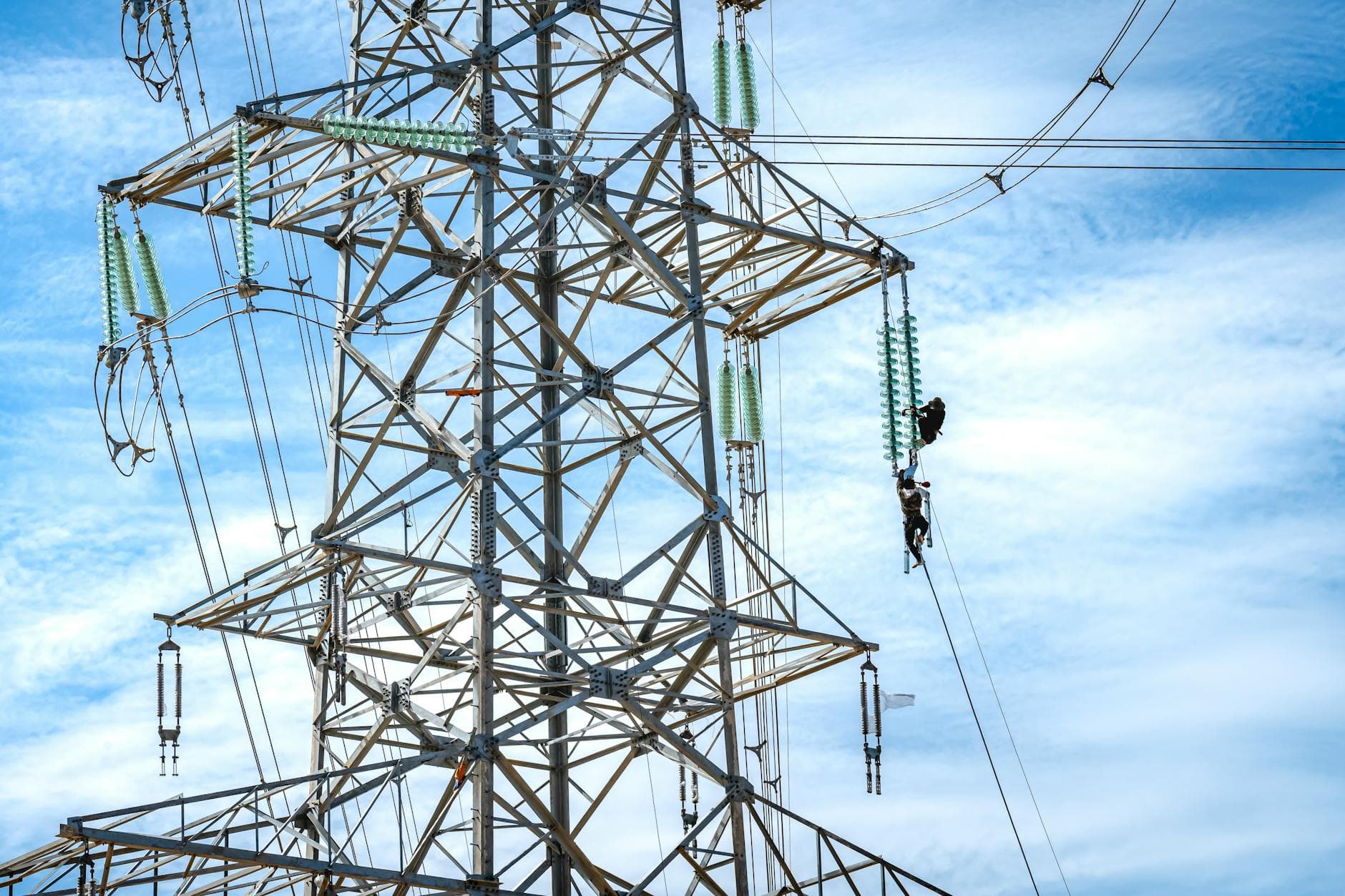
The answer will depend on a web of actors far beyond Ottawa. Federal officials said implementation will require coordinated action from provinces, territories, Indigenous Peoples, utilities, generators and labour partners. Ottawa has already been talking with provinces about removing barriers between electricity markets, while Ontario has separately launched an interprovincial-territorial energy corridor agreement to strengthen transmission links. The government says the effort will require 130,000 new workers, a reminder that new lines, substations, generation and storage do not appear quickly, even with political momentum.
The affordability case rests on contested ground. Canada’s final Clean Electricity Regulations were published in December 2024 after nearly three years of consultations, and federal analysis said they would not affect rates for the vast majority of Canadians and could slightly lower them in some cases. The earlier federal support package included C$60 billion for the sector. But the new strategy shifts the debate from rules alone to who pays first, how much of the cost lands on ratepayers, and whether lower consumer bills are a realistic outcome or a long-term promise.
Stakeholders signaled support with caution. The Pembina Institute said the strategy confirms clean electrification should be the backbone of Canada’s economy, while the Canadian Climate Institute said it still leaves major questions unresolved, including the future of the clean electricity regulations, the role of gas power and coal in Saskatchewan. Those gaps will matter as Ottawa consults on implementation in the months ahead, because doubling the grid is easier to announce than to build.
This article was produced by Prism’s automated news system from verified source data, official records, and press releases, then run through automated quality and moderation checks before publishing. The system is built and supervised by the people who set the standards it runs under. Read our full AI policy.
Did this article answer your question?