Carney warns Alberta separation referendum could backfire like Brexit
Carney called Alberta’s separatist question a “dangerous bluff,” warning that a tactical vote could harden rupture politics and echo Brexit’s fallout.
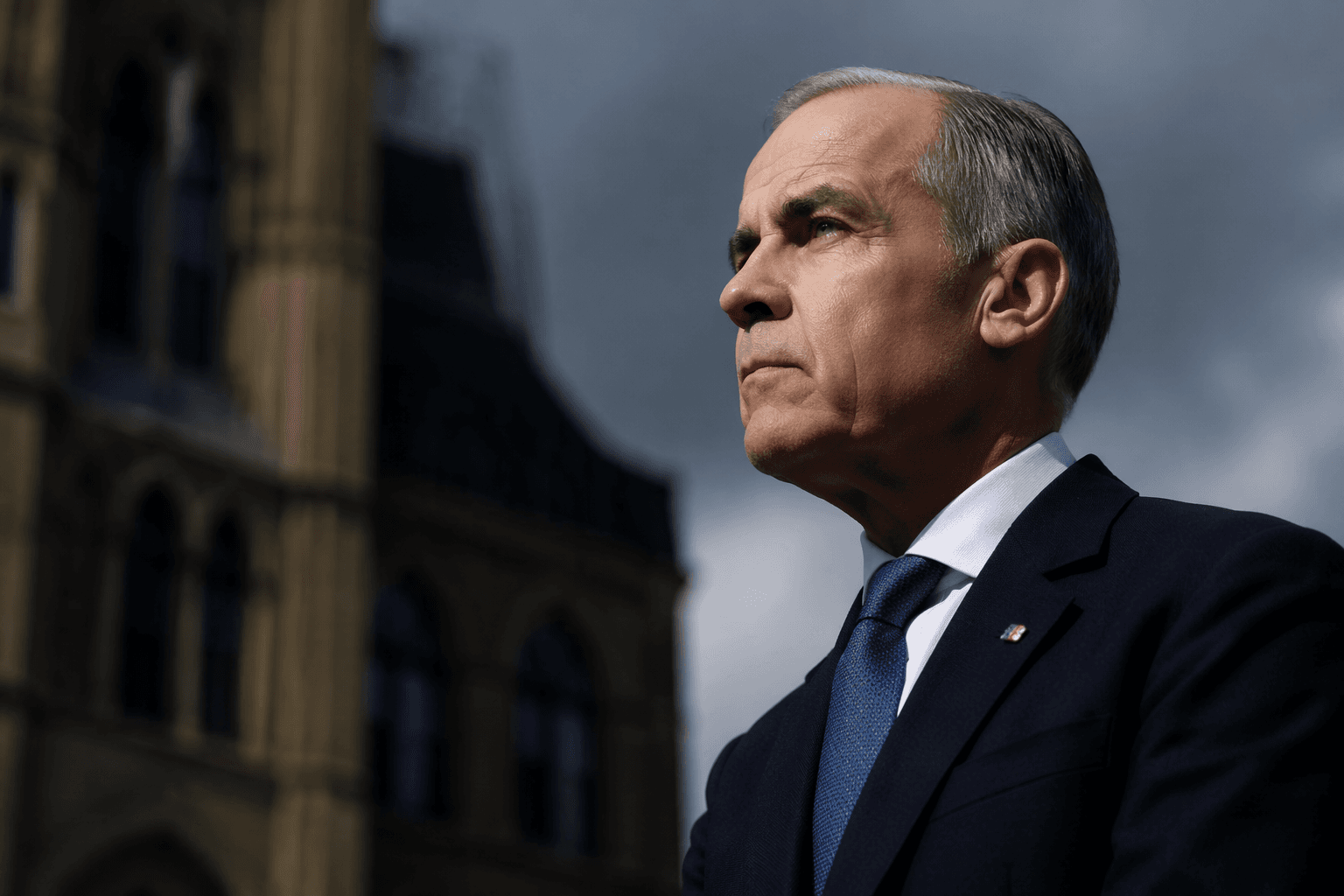
Mark Carney warned that Alberta’s separatist question could turn into a “dangerous bluff,” arguing that a seemingly tactical vote over the province’s future could harden into a final verdict on separation and leave Canada with consequences that are hard to reverse.
Speaking Monday, May 25, 2026, the prime minister said the referendum question advanced by Alberta Premier Danielle Smith was “not helpful” because votes on a fundamental constitutional break can be treated as the last word, even when advocates present them as leverage. Carney drew on his experience as governor of the Bank of England during the 2016 Brexit campaign, saying he had seen how a softer-seeming option could spiral into a long, unresolved national rupture. He also pointed to Quebec’s 1995 referendum as a reminder that ambiguous wording can be read in ways its authors did not intend.
Smith has said her United Conservative Party government will hold a non-binding referendum on October 19, 2026. The question will ask Albertans whether the province should remain in Canada or begin the legal process toward a binding separation referendum. Smith has cast the vote as a way to measure public sentiment after pressure from separatists, while saying she would vote to keep Alberta in Canada and seek stronger provincial rights under the Constitution.
The push has been fueled by Stay Free Alberta, the separatist group led by Mitch Sylvestre. The group said it gathered more than 300,000 signatures, and one report put the total at about 301,000, far above the 178,000 required. A counter-petition supporting a united Canada has reportedly drawn around 400,000 signatures, underscoring how organized the battle over Alberta’s place in Confederation has become.
But the campaign has also run into legal resistance. On May 15, 2026, an Alberta court ruled in favor of a First Nations bid to halt the petition process, and Justice Shaina Leonard said Alberta independence would fundamentally contravene Indigenous land treaties. A temporary injunction had already been in place since April, and separatist organizers and Smith have said they will appeal and continue.
The stakes reach beyond Alberta’s borders. The province sits at the center of Canada’s oil patch, and the separatist movement has tapped long-running resentment over federal policies seen by critics as hostile to Alberta’s energy sector. Polling cited in recent reporting has put support for separation at about one-third of voters, a reminder that the province is deeply divided even as the issue tests national unity and Carney’s authority in Ottawa amid U.S. tariffs and diplomatic strain.
Know something we missed? Have a correction or additional information?
Submit a Tip