Carney’s first year brings majority power, and pressure to deliver
Mark Carney turned a minority into a majority, but his next test is whether global credibility can deliver cheaper homes, tighter spending and a steadier economy.

Mark Carney has moved from newcomer to majority prime minister in barely 13 months, and the political cushion now comes with a harder test: whether his global reputation can survive the grind of domestic delivery.
Carney was sworn in as Canada’s 24th prime minister on March 14, 2025, after replacing Justin Trudeau. He then led the Liberal Party to a minority win in the April 28, 2025 federal election with 169 seats in the 343-seat House of Commons, short of the 172 needed for a majority. That changed on April 13, 2026, when three byelection wins lifted the Liberals to 174 seats, giving Carney the majority government he had not had on election night.
That majority strengthens Carney’s hand, but it also sharpens the standard by which he will be judged. The central external pressure remains Donald Trump’s trade war and the threat it poses to Canada’s economy. Carney has said Canada’s ties to the United States have become weaknesses that must be corrected, and he has argued that Washington has fundamentally changed its approach to trade, with tariffs at levels last seen during the Great Depression. His answer has been to court investment, diversify trade and reduce Canada’s dependence on a market that still dominates its economic life.
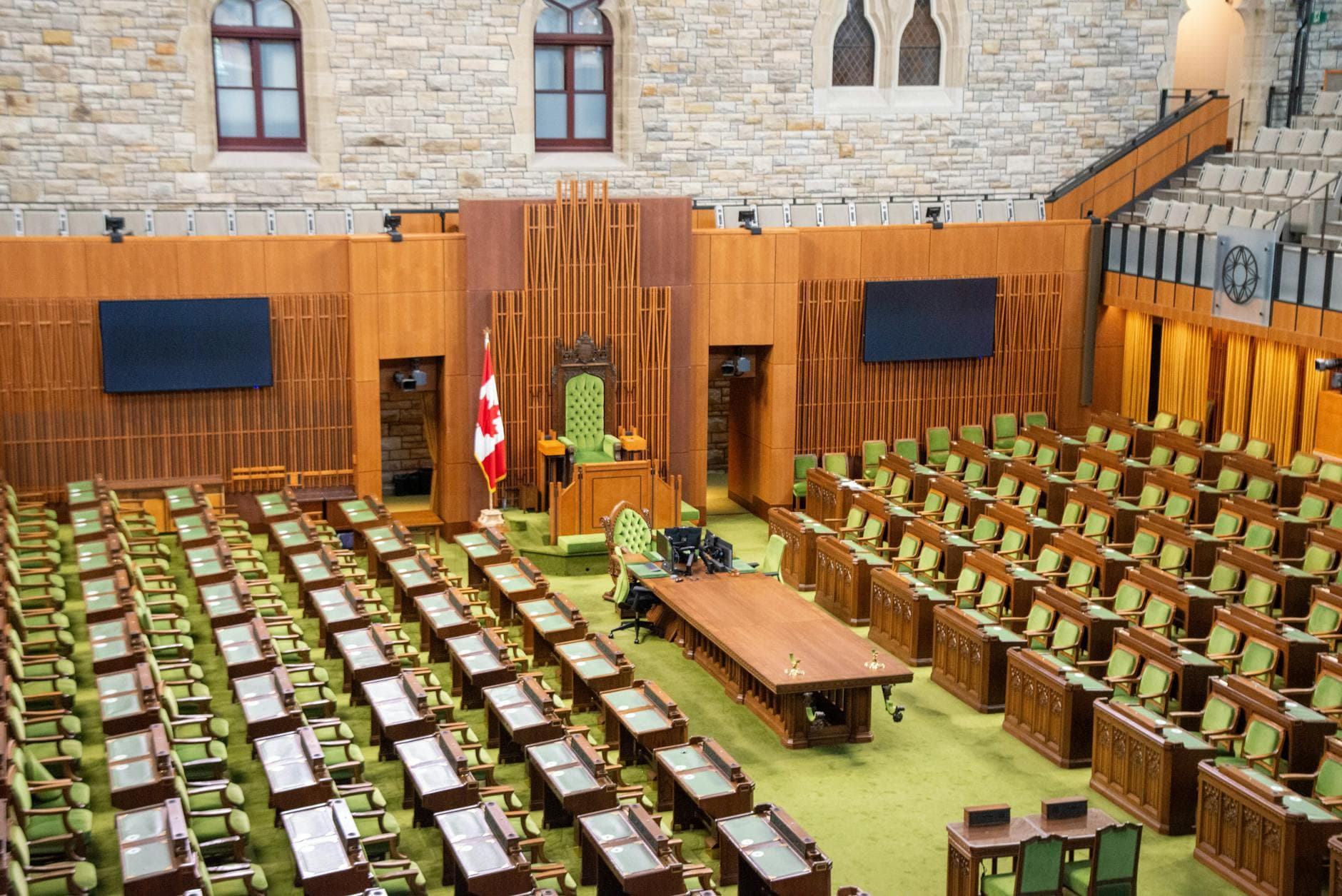
At home, the first-year record already shows the scale of the task. In June 2025, his government unveiled a defence plan that added more than C$9 billion in cash defence spending in fiscal 2025-26, part of an effort to bring Canada to NATO’s 2% of gross domestic product target. During the campaign, Carney also promised to nearly double annual home construction to about 500,000 homes, a pledge aimed squarely at the housing shortage and the affordability squeeze that helped define the election.
The trouble is that the political mood has begun to cool. Angus Reid reported in September 2025 that Carney’s approval had fallen for the first time since he took office, with a six-point drop in approval and a 12-point rise in disapproval. Housing affordability and nation-building were flagged as key vulnerabilities, a warning sign that the public is already weighing his promises against the realities of prices, supply and execution.
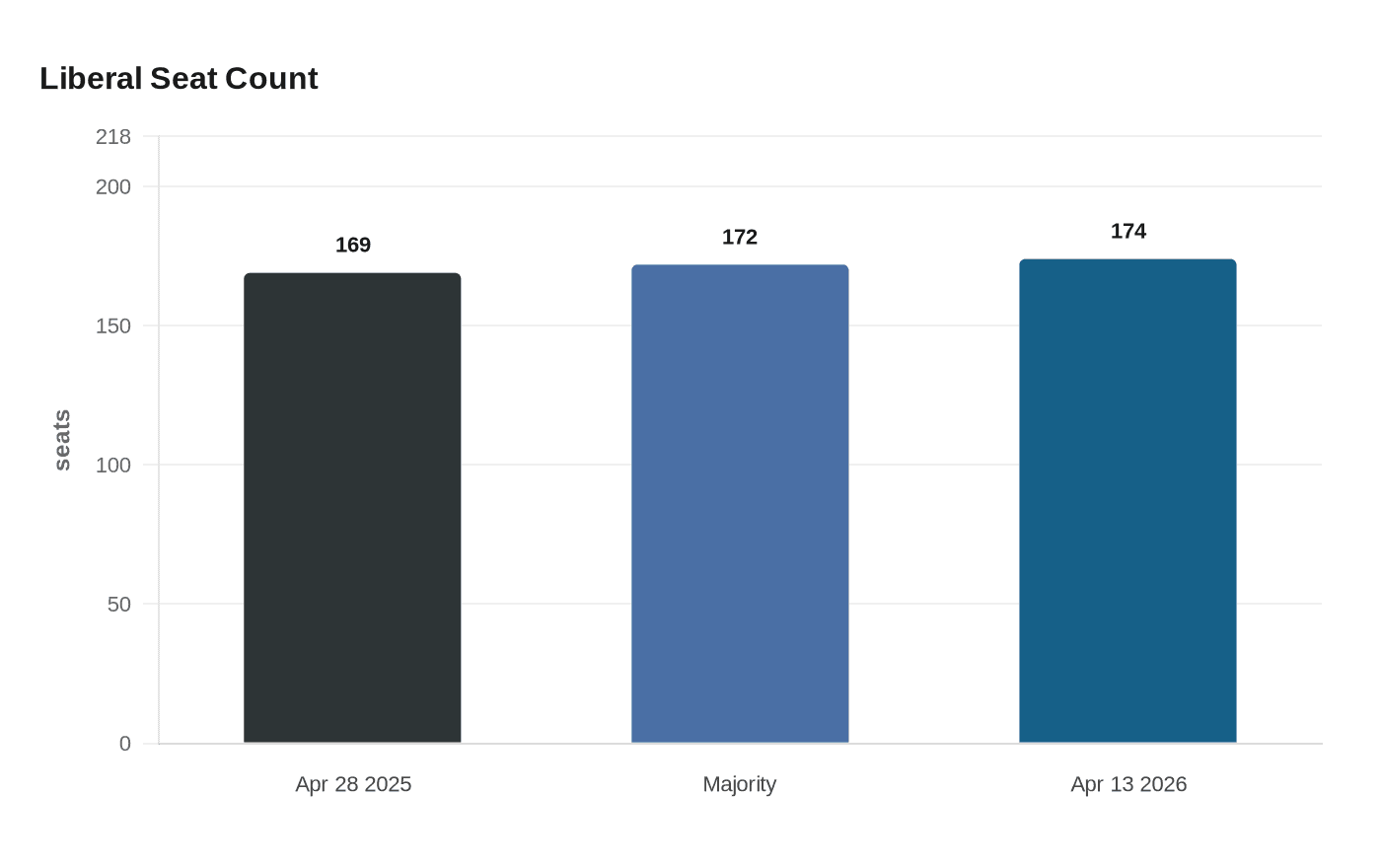
Pierre Poilievre has seized on that pressure, pressing Carney for a federal deficit cap of C$31 billion ahead of the spring fiscal update. With a majority now in hand, Carney no longer needs opposition support to pass legislation. That removes one constraint, but it also removes one excuse. The honeymoon is over; the next year will measure whether Canada’s most polished global technocrat can become a prime minister defined by results.
This article was produced by Prism’s automated news system from verified source data, official records, and press releases, then run through automated quality and moderation checks before publishing. The system is built and supervised by the people who set the standards it runs under. Read our full AI policy.
Did this article answer your question?

