Carrick faces Chelsea test as Manchester United seek stability after Solskjaer exit
Carrick's first real leadership stress test came at Stamford Bridge, where a reshuffled United held Chelsea to 1-1 after Solskjaer’s exit. The point steadied the mood but showed the scale of the problem.
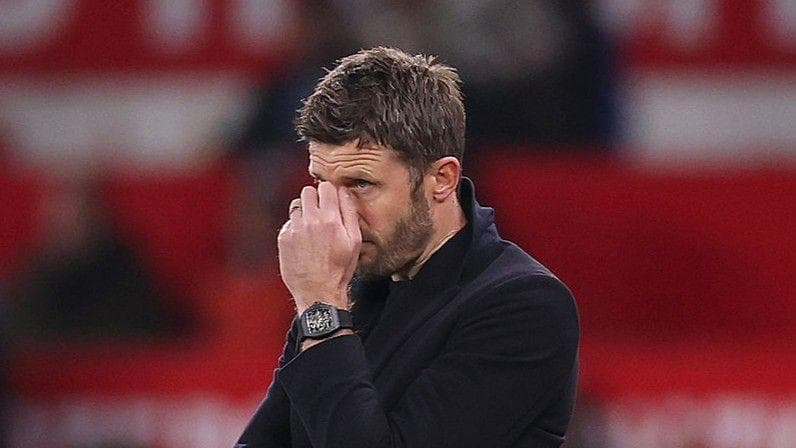
Michael Carrick's first real leadership stress test arrived at Stamford Bridge, where a Manchester United side still reeling from Ole Gunnar Solskjaer's dismissal had to cope with Chelsea's pace, pressure and control. The interim manager had already shown one quick response at Villarreal, but the trip to the Premier League leaders asked a different question: could United stop leaking chances long enough to survive against a top side.
Solskjaer was sacked on Sunday, November 21, 2021, after the 4-1 defeat at Watford, a result that followed five losses in seven Premier League games. That run had exposed how fragile United had become without the ball. By the time Carrick took his team to Stamford Bridge on Sunday, November 28, more than a third of the league season had passed and the club was still trying to recover from the defensive damage done at Vicarage Road and in earlier heavy defeats.
Carrick's first match in temporary charge, a 2-0 Champions League win at Villarreal on Tuesday, November 23, gave United a lift, but Chelsea represented a much sterner examination. Carrick made four changes from that victory, including the enforced switch in central defence after Harry Maguire's suspension. Eric Bailly came in beside him, a move that reflected both necessity and a search for more pace and recovery power in the back line. Cristiano Ronaldo was left on the bench, another sign that Carrick was prioritising structure and control over reputation.
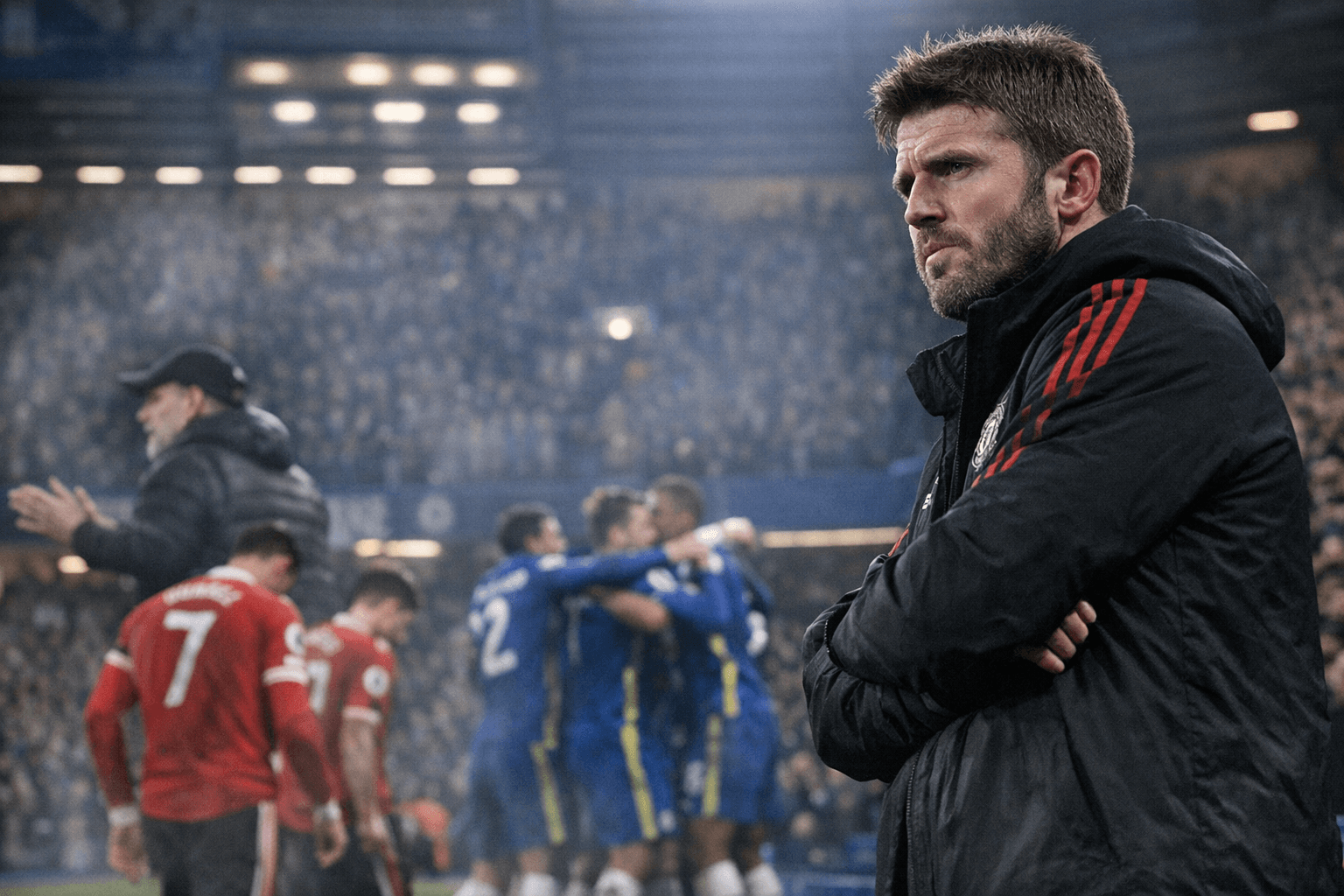
That was the immediate fix United needed. The team could not afford another open game, another collapse in spacing between midfield and defence, or another afternoon in which the back line was left exposed to waves of pressure. Carrick's changes pointed to a short-term attempt to tighten the middle, protect the centre-backs and reduce the risk of a stretched contest against the division's leaders.
The match finished 1-1, with 40,041 at Stamford Bridge, and the result gave United a point that felt useful without disguising the larger gap. Chelsea remained top of the table, and United left London with evidence that the immediate panic had eased, but not enough to suggest the deeper defensive instability had been solved. Carrick had bought time; he had not yet bought certainty.
This article was produced by Prism’s automated news system from verified source data, official records, and press releases, then run through automated quality and moderation checks before publishing. The system is built and supervised by the people who set the standards it runs under. Read our full AI policy.
Did this article answer your question?