Carrying ISS Biology Forward to Commercial Low Earth Orbit Research
As the International Space Station nears retirement and commercial low Earth orbit platforms multiply, researchers face a crucial transition about preserving and extending decades of biological research. How the scientific community standardizes methods, shares data, and governs experiments will determine whether discoveries about human health and life in space can enable safe deep space exploration.
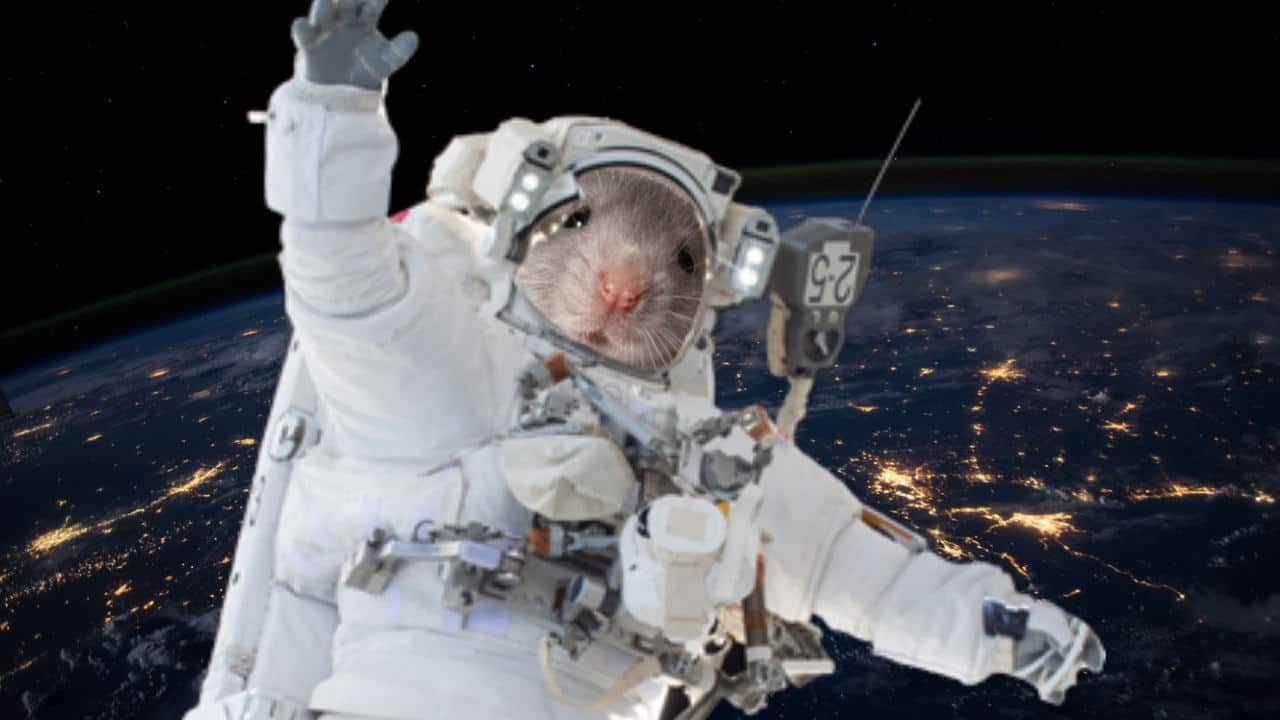
The scientific riches collected aboard the International Space Station are entering a new era. With plans for the station to retire and commercial low Earth orbit platforms taking on a growing share of on orbit research, scientists and policymakers are confronting a simple but consequential question. It is not what experiments revealed while the ISS was operating, it is how those lessons will be carried forward so they remain relevant and reliable as human activity in space becomes more diverse and commercialized.
Two recent papers, including a review titled Fundamental biological features of spaceflight, and a commentary called From rodents on the ISS to humans in commercial low Earth orbit authored by Kim, Tull, Beheshti and colleagues, argue that continuity will hinge on the methods used to generate, curate and interpret biological data. The authors represent institutions such as the Center for Space Biomedicine at the McGowan Institute for Regenerative Medicine and the University of Pittsburgh School of Medicine, underscoring the growing intersection of clinical science and orbital research.
Rodent experiments on the ISS have been central to understanding how microgravity and space radiation affect bones, muscles, immune systems and microbes. Those studies established experimental frameworks, control conditions and hardware design that future work must preserve or adapt. But the shift to commercial platforms introduces new variables. Different vehicles and facilities will have varied environmental controls, housing systems and operational procedures. If those differences are not accounted for, results may not be comparable across platforms or translatable to human health.
The papers call for common standards and metadata that document experimental context with the same rigor as the primary measurements. That means detailed records of housing conditions, animal handling, radiation exposure, and timing of experiments. Shared standards would make it possible to aggregate data across missions and platforms, enhancing statistical power and accelerating discovery. The authors also emphasize reproducibility, replication and open data as essential to maintain confidence in findings that will inform long term human spaceflight.
Beyond technical practices, the transition raises ethical and regulatory questions. As private operators assume more responsibility for infrastructure, governance mechanisms must ensure animal welfare and human subject protections remain robust. Equitable access for academic investigators is another concern. If research becomes dominated by well financed commercial providers, smaller labs and international partners may face barriers to participation, narrowing the scientific agenda.
The stakes extend to preparations for deep space missions. Biological insights from low Earth orbit feed risk models for radiation, bone loss and immune compromise that will shape crew selection, countermeasures and medical protocols for lunar and Mars missions. Loss of continuity in methods or data could slow or misdirect those preparations.
The emerging consensus in the literature is clear. The science of life in space did not peak with the ISS. Its future will depend on intentional decisions about standards, data sharing and governance as studies migrate to commercial platforms. How fast the field translates lessons from rodents on the station to humans in private orbit will determine whether humanity can carry reliable biological knowledge into the next chapter of space exploration.
This article was produced by Prism’s automated news system from verified source data, official records, and press releases, then run through automated quality and moderation checks before publishing. The system is built and supervised by the people who set the standards it runs under. Read our full AI policy.
Did this article answer your question?


